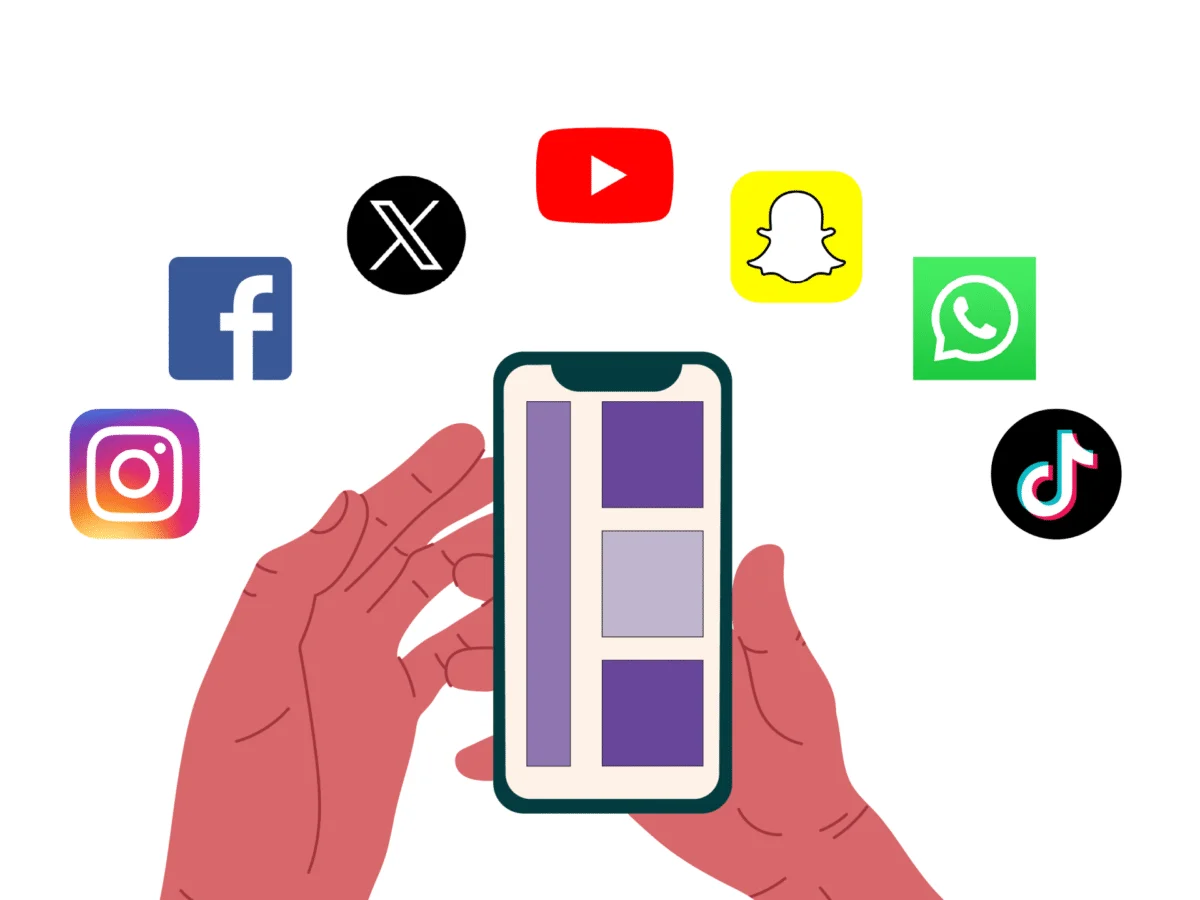
Average social media use reaches roughly two hours and 39 minutes daily, which adds up to over 40 days in a single year. This calculation comes from an Al Jazeera report that offers a simple way for anyone to gauge how much of their life is taken up by online platforms.
What does the figure mean?
The daily average of two hours, 39 minutes means that if a person were to track every minute spent scrolling, liking, or posting, the total would surpass the 24‑hour mark by a little more than a sixth of a day each month. When that habit continues throughout the year, it translates to more than 40 whole days dedicated solely to social media interaction.
Why does this matter?
Understanding the extent of social media use helps individuals consider the potential impact on personal well‑being, productivity, and real‑world connections. While the report does not delve into health outcomes, the sheer amount of time highlighted suggests that many people could benefit from reflecting on how they allocate their attention.
The calculator referenced by Al Jazeera allows users to input their own habits and see a personalized estimate. By comparing personal data with the average, users can decide whether they want to adjust their routines or maintain the status quo.
What can people do with this information?
Armed with a clear picture of daily social media use, individuals might set limits, schedule offline periods, or simply become more mindful of their scrolling habits. The tool does not prescribe a specific action, but it offers a concrete metric that can serve as a starting point for discussions about digital balance.
For readers interested in broader societal trends, the figure also feeds into larger conversations about how digital platforms shape public discourse, consumer behavior, and even geopolitical narratives. Those topics are explored in our war‑geopolitics coverage.
In summary, the average person spends just under three hours a day on social media, which compounds to more than 40 days a year. Recognizing this amount can prompt personal reflection and inform broader debates about the role of digital media in modern life.