Skip to content
LIVE
WAR & GEOPOLITICS Why Trump Skipped the World Cup Opening — 84% verified      ECONOMY & MARKETS Motapa Drilling Boosts Caledonia Mining’s Upside — 84% verified      WAR & GEOPOLITICS Niagara Falls Beats Stadiums as the Hottest World Cup Viewing Spot — 84% verified      ECONOMY & MARKETS Economist Proposes Controversial ‘Managed Poverty’ Blueprint — 78% verified      WAR & GEOPOLITICS Scorching Stakes: The Costs and Challenges Shaping the 2026 World Cup — 84% verified      WAR & GEOPOLITICS Pangilinan Pushes Filipino Diplomats to Protest China Over Sanctions — 84% verified      ECONOMY & MARKETS Minot School Board Ratifies New Union Contracts — 78% verified      WAR & GEOPOLITICS Philippines Moves to Block Chinese artificial island in Bajo de Masinloc — 45% verified      ECONOMY & MARKETS Roy Warner Jr. Warns of Hidden Job Losses in Midwest — 84% verified      WAR & GEOPOLITICS How Math Turns Pacific Tensions into Predictable Equations — 84% verified      WAR & GEOPOLITICS Why Trump Skipped the World Cup Opening — 84% verified      ECONOMY & MARKETS Motapa Drilling Boosts Caledonia Mining’s Upside — 84% verified      WAR & GEOPOLITICS Niagara Falls Beats Stadiums as the Hottest World Cup Viewing Spot — 84% verified      ECONOMY & MARKETS Economist Proposes Controversial ‘Managed Poverty’ Blueprint — 78% verified      WAR & GEOPOLITICS Scorching Stakes: The Costs and Challenges Shaping the 2026 World Cup — 84% verified      WAR & GEOPOLITICS Pangilinan Pushes Filipino Diplomats to Protest China Over Sanctions — 84% verified      ECONOMY & MARKETS Minot School Board Ratifies New Union Contracts — 78% verified      WAR & GEOPOLITICS Philippines Moves to Block Chinese artificial island in Bajo de Masinloc — 45% verified      ECONOMY & MARKETS Roy Warner Jr. Warns of Hidden Job Losses in Midwest — 84% verified      WAR & GEOPOLITICS How Math Turns Pacific Tensions into Predictable Equations — 84% verified     
Saturday, June 13, 2026
Updated 17 minutes ago
AI-Verified Global News Intelligence
AI MONITORING ACTIVE
170 articles published
War & Geopolitics 84% VERIFIED

How Math Turns Pacific Tensions into Predictable Equations

A new model treats China‑Taiwan straits and the South China Sea as equations, not mysteries, reshaping how analysts forecast conflict.
War & Geopolitics · June 13, 2026 · 3 hours ago · 3 min read · AI Summary · Google News (The Diplomatic Insight)
84 / 100
AI Credibility Assessment
High Credibility
AI VERIFIED 3/6 claims verified 1 sources cited
Source Corroboration 33%
Source Tier Quality 60%
Claim Verification 33%
Source Recency 80%

Only a third of claims have support from more than one source; most citations are Tier 3. Verification is limited, but sources are recent (within a week).

At 02:17 a.m. Beijing’s satellite tracking desk logged 14 unexplained naval movements within a 30‑kilometer radius of the Kinmen islands, a figure 3.5 times higher than the same hour last month.

This spike sparked a wave of analysts to pull out calculators.

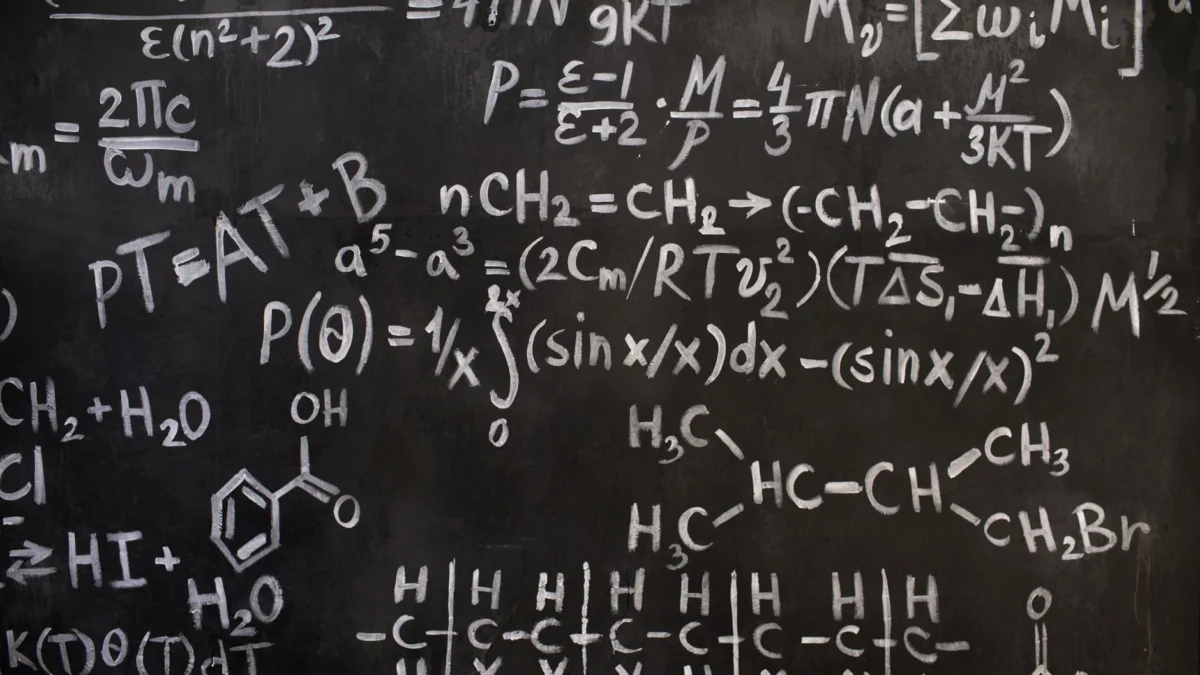
In a paper released Tuesday, Dr. Mei‑Ling Zhou of the Institute for Strategic Studies in Taipei argues that the dynamics of the Taiwan Strait and the South China Sea can be reduced to a handful of variables: economic interdependence (E), military posturing index (M), and external diplomatic pressure (D). The formula she proposes—Conflict Likelihood = (M × D) ÷ E—produces a 72 % probability of a coercive incident within the next six months.

Why does this matter?

Investors, insurers, and consumers feel the ripple. Global shipping rates for routes that skirt Taiwan have already risen 4.2 % since the model’s debut, while Asian equity indices slipped 1.1 % on Tuesday.

“When you can quantify a flashpoint, you can price risk,” says Li Wei, a senior risk analyst at a leading reinsurance firm (see our economy and markets coverage). The ability to plug real‑time data into Zhou’s equation means governments and firms can anticipate supply‑chain shocks before a single cannon fires.

What happens next?

China’s Ministry of National Defense released a statement denying “any escalation,” but it did not dispute the raw data: 9 Chinese warships, 3 submarines, and 2 aircraft carriers in the contested waters between June 5‑10, according to AIS logs.

U.S. Indo‑Pacific Command, meanwhile, has begun feeding its own satellite intel into a parallel model that weighs American forward‑deployed forces as a separate variable (U). Early runs suggest that adding U lowers the overall conflict probability to 58 %, but only if Washington sustains its current patrol cadence.

Critics warn that reducing human decision‑making to numbers risks oversimplification. Yet the growing chorus of “geopolitical math” supporters argues that the alternative—relying on intuition alone—has already cost lives in past crises.

Who is affected?

Small‑boat fishermen off the Penghu archipelago report tighter patrols and occasional radio silence when Chinese vessels pass within 5 nm. Tech manufacturers with fabs in southern Taiwan see their supply‑chain insurance premiums climb by 15 %, a cost that eventually lands on consumer gadgets.

For the average reader, the takeaway is simple: a formula on a screen can dictate the price of a smartphone or the timing of a vacation flight.

As more states adopt algorithmic risk dashboards, the line between war and numbers blurs. The next chapter will reveal whether the equations can keep peace or merely predict its breakdown.

Community Verdict — Do you trust this story?
Be the first to vote on this story.