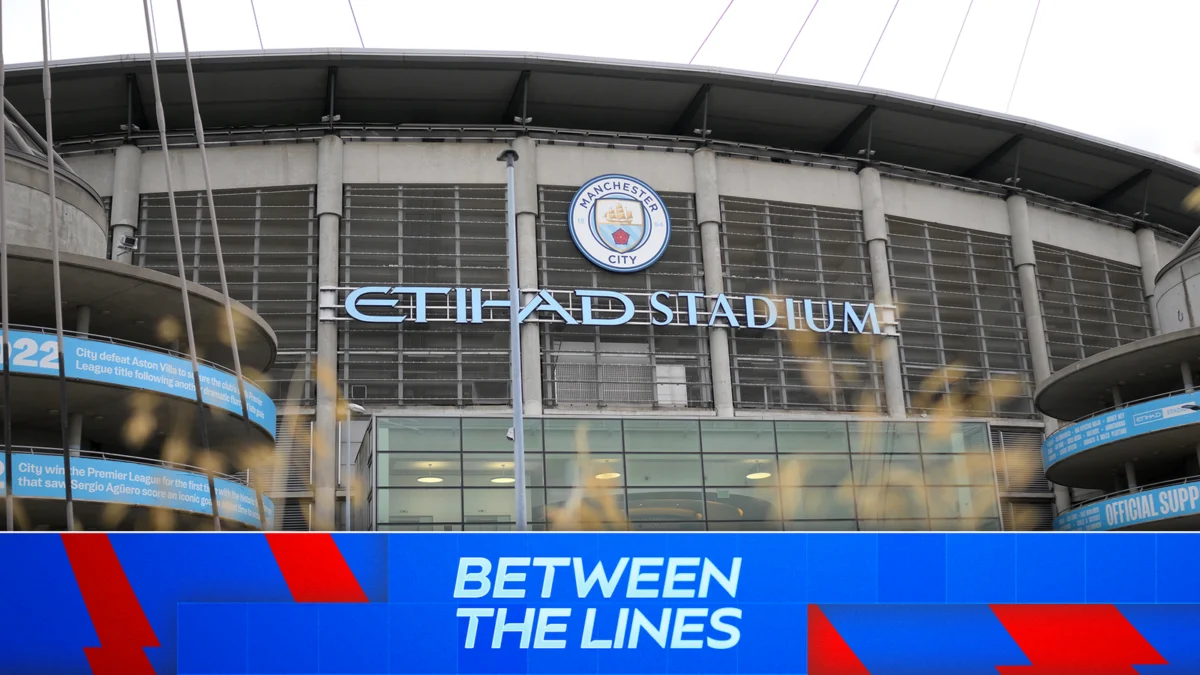
When Sheikh Mansour completed his takeover in September 2008, marking the start of his ownership with the sensational and then-record signing of Robinho from Real Madrid, Manchester City were a club with two top-flight titles in their 114-year history.
The scale of that transfer and the financial backing behind it signaled a shift in how clubs could attract global talent and compete internationally. This moment became a focal point for scrutiny of City’s sponsorship and investment structure, which regulators later investigated as a possible disguised funding scheme that changed the football landscape.
Key Facts
- Sheikh Mansour completed his takeover of Manchester City in September 2008.
- The takeover began with the then-record signing of Robinho from Real Madrid.
- Manchester City had won two top-flight titles in their 114-year history before the takeover.
- City’s investment and sponsorship structure was later investigated as a possible disguised funding scheme.
- The case examined how external funding can reshape club competitiveness and league dynamics.
What Happened After 2008
The Robinho transfer was notable not only for its size but for the expectation it created about City’s ambitions. A player of his profile moving to a club outside the traditional elite signaled a new model of rapid investment. This approach attracted attention from rival clubs and governing bodies, who questioned whether City’s revenue streams—particularly commercial partnerships—accurately reflected their true financial position.
Those questions eventually fed into formal investigations by football authorities and tax regulators. The scrutiny centered on whether certain payments and sponsorships were structured to circumvent financial fair play rules or to obscure the source of funds flowing into the club. While these investigations concerned City specifically, their implications extended across European football as leagues grappled with how to monitor and regulate sudden, large-scale investment.
Who Is Affected by the Funding Debate
Clubs across Europe have had to reconsider their own spending strategies, sponsorship arrangements, and governance practices in response to the precedent set by City’s rise. Smaller leagues and lower-divided clubs, in particular, have sought to balance ambition with compliance, often adopting stricter oversight of investor structures.
Supporters and analysts have also debated the broader impact on competitive balance. While City’s improved performance brought greater excitement and global audiences to the Premier League, critics argue that unchecked funding advantages risk undermining parity between clubs. The disguised funding scheme allegations remain a point of contention, influencing ongoing discussions about transparency in football finance.
How Did We Get Here
City’s ascent began with the symbolic weight of the Robinho signing and the arrival of high-profile players and executives. Early success on the pitch helped justify further investment, attracting more sponsors and increasing broadcast visibility. Over time, this growth raised questions about the authenticity of reported revenues.
Regulatory bodies introduced and refined financial fair play regulations partly in response to cases like City’s. These rules aimed to ensure clubs live within their means and prevent artificial inflation of valuations through related-party transactions. However, defining what constitutes legitimate commercial activity versus disguised funding has proven difficult, leading to prolonged legal battles and appeals.
What We Know — and What We Don’t
Verified by the source:
• Sheikh Mansour completed his takeover in September 2008.
• Robinho was signed from Real Madrid in a then-record deal.
• City had two top-flight titles in 114 years before the takeover.
• Investigations examined City’s sponsorship and funding structure.
• The case influenced regulatory approaches to club investment.
Still unconfirmed:
• The specific financial details of any disguised funding arrangement.
• Final outcomes of regulatory investigations or legal proceedings.
• Exact impact of the scheme on league-wide financial policies.
• Internal decision-making behind City’s sponsorship agreements.
• Whether similar arrangements exist at other clubs.
Why This Matters
The 2008 takeover and subsequent investigations highlight tensions between modern football’s commercial evolution and traditional notions of fair play. As clubs continue to seek competitive edges through global investment, the need for clear, enforceable standards becomes urgent. This case serves as a reference point for policymakers, fans, and executives across [sports] as they navigate the future of club ownership and funding transparency.
What to Watch
Regulatory bodies have yet to conclude all outstanding proceedings related to City’s financial practices. Further rulings or policy changes could redefine acceptable investment structures and influence transfer strategies league-wide. For now, the disguised funding scheme remains under active legal review, with potential consequences extending far beyond one club. For more context, see our [economy-markets] coverage.