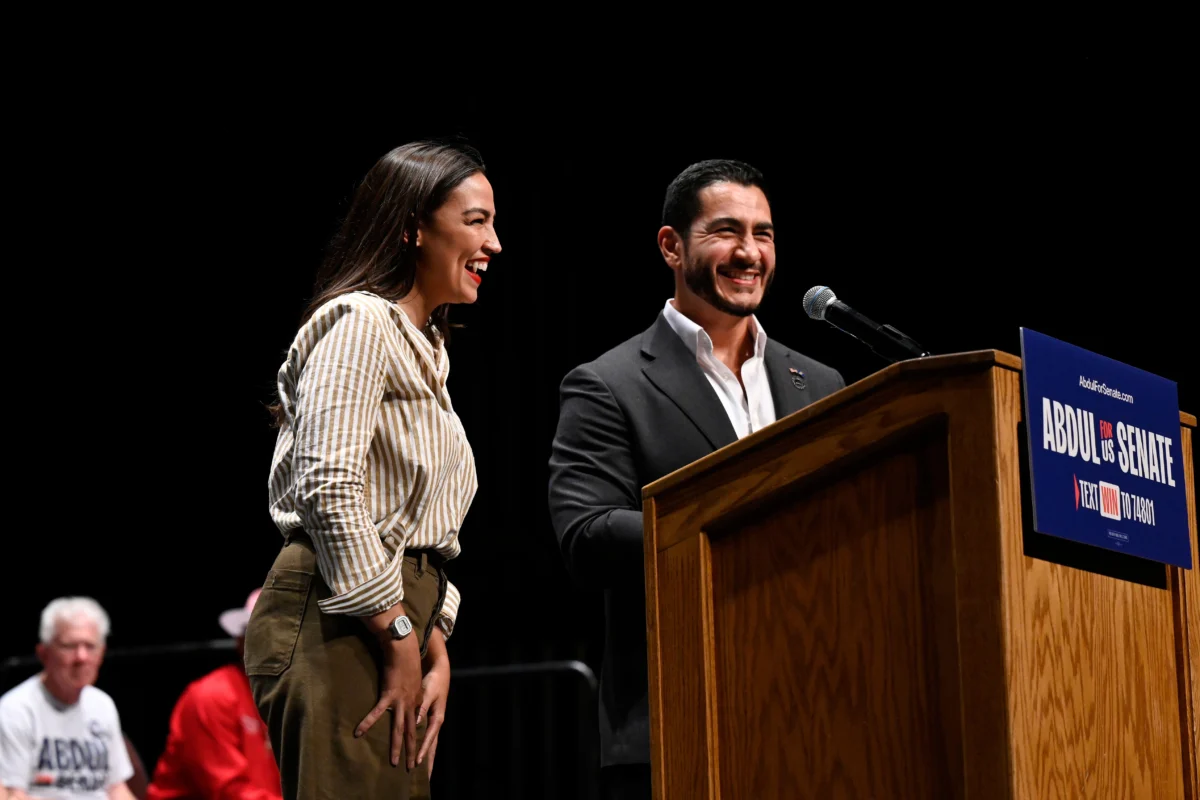
Democrats strategically used endorsements in competitive primaries as a tool to exert influence over the party’s direction ahead of the 2028 election cycle, according to a report by Politics. This approach highlights the party’s efforts to shape its future leadership and policy priorities.
The tactic reflects a broader strategy by Democratic leaders to consolidate power and ensure alignment with the party’s evolving goals. By backing preferred candidates in contentious primary battles, party officials aim to steer the Democratic agenda in a direction that resonates with their base and broader electorate.
KEY FACTS
- Democrats used endorsements to influence tough primary races.
- The strategy was aimed at shaping the party’s future ahead of 2028.
- Endorsements serve as a tool to consolidate party power.
How did this strategy unfold?
The report indicates that Democratic leaders selectively endorsed candidates in primary contests where outcomes were uncertain. These endorsements were not merely symbolic but intended to sway voter decisions and resource allocation. The approach underscores the importance of internal party dynamics in shaping electoral outcomes.
What’s at stake for the party?
With the 2028 presidential election on the horizon, the Democratic Party faces critical decisions about its direction and leadership. The use of endorsements in primaries suggests an attempt to avoid divisive battles that could weaken the party’s cohesion before a general election. This strategy may also reflect lessons learned from previous election cycles where internal divisions proved costly.
WHAT WE KNOW — AND WHAT WE DON’T
Verified by the source:
- Democrats employed endorsements as a strategic tool in competitive primaries
- The effort was connected to longer-term party planning for 2028
Still unconfirmed:
- Which specific candidates received endorsements
- The exact criteria used for selecting endorsement recipients
- The impact of these endorsements on primary outcomes
WHY IT MATTERS
Party endorsements in primary elections can significantly influence the political landscape by directing resources and attention to favored candidates. This behind-the-scenes maneuvering often determines the policy directions and leadership styles that will define a party for years to come, making it a crucial element of American political strategy.
WHAT TO WATCH
The effectiveness of this endorsement strategy will become clearer as the 2028 election cycle progresses and primary results emerge. Observers should track whether endorsed candidates gain measurable advantages in fundraising and voter support compared to non-endorsed rivals.