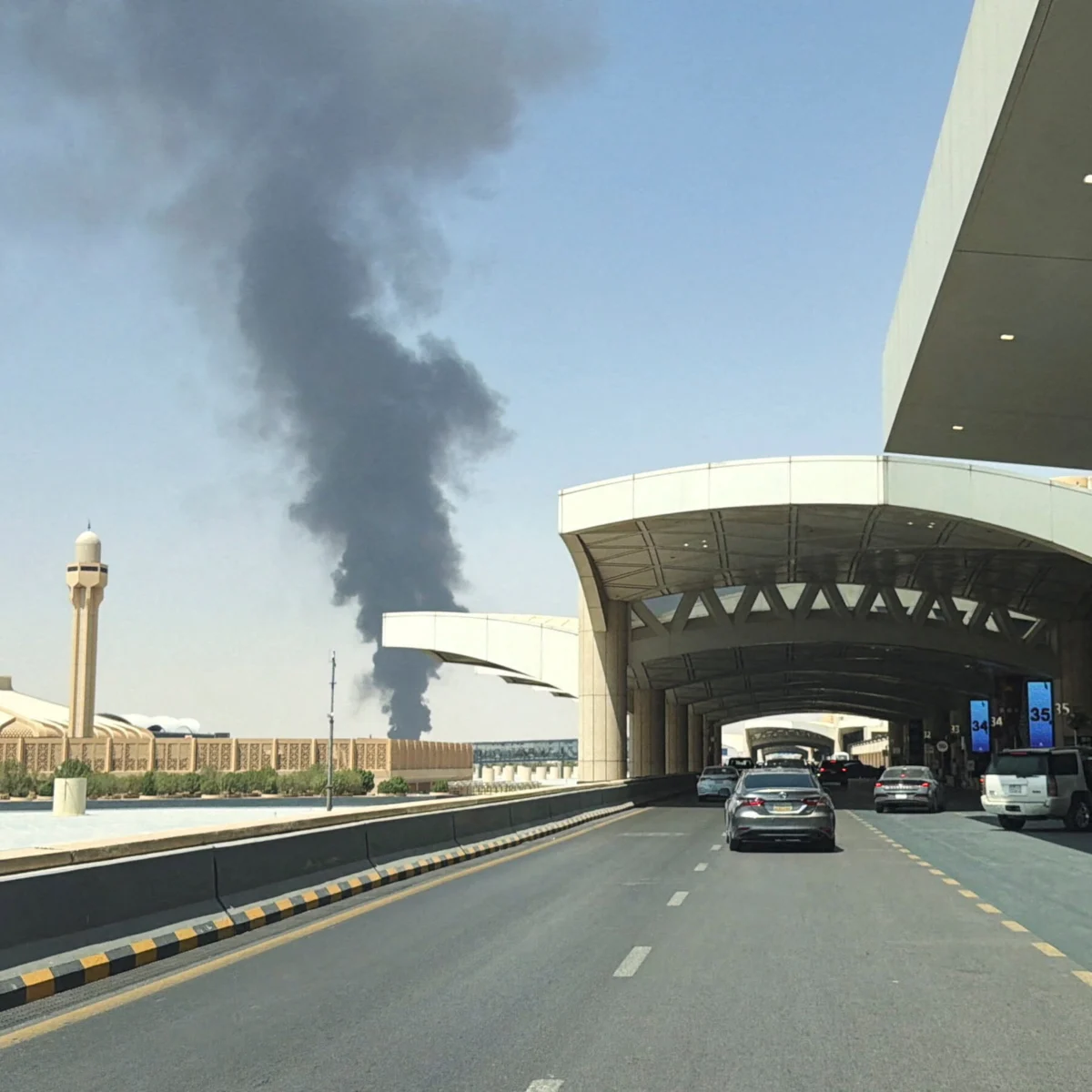
Fierce fighting unfolded Sunday between the Iranian-backed Houthis and Saudi-supported Yemeni government forces, as the Houthis seek to extend their territorial hold in the ongoing Yemen conflict.
The clashes highlight a widening escalation in a war that has destabilized the region for years, with both sides trading blows across contested zones.
Key Facts
- Houthis fought Saudi-backed Yemeni forces on Sunday.
- The Houthis aim to expand their territory in Yemen.
- Tensions between Houthis and Saudi Arabia are rising.
- The conflict continues to involve Iranian-backed and Saudi-backed factions.
The Story
How did we get here?
The Yemen conflict began in 2014 when the Houthis seized control of the capital, Sanaa, eventually pushing the Saudi-backed government into exile. Since then, a coalition led by Saudi Arabia has attempted to restore the government, resulting in a protracted and deadly war.
Over time, the Houthis have gained ground, capturing large swaths of territory and even launching cross-border attacks into Saudi Arabia and the UAE. Their recent advances coincide with increased rhetoric from Tehran, further entangling regional powers in the Yemen conflict.
Sunday’s battles are the latest in a series of offensives aimed at consolidating Houthi control. These moves are closely watched by neighboring countries and global powers concerned about broader instability.
Who is affected?
Civilians bear the heaviest toll of the Yemen conflict. The United Nations has repeatedly warned that Yemen faces the world’s worst humanitarian crisis, with millions displaced and facing famine and disease.
Foreign involvement deepens the stakes. Saudi Arabia views the Houthis as a threat due to their alleged Iranian backing, while the Houthis frame their struggle as resistance against Western influence and regional intervention.
The spillover effects have strained diplomatic relations across the Middle East, with shipping disruptions, proxy confrontations, and stalled peace efforts all tied to the evolving dynamics of the Yemen conflict.
What happens next?
With neither side showing signs of conceding, military action may persist. Diplomatic channels remain active, but previous ceasefire attempts have failed to hold.
The international community continues to call for negotiations, though enforcement of any agreement will depend on cooperation from regional actors. Escalatory tactics risk drawing more parties into the Yemen conflict.
Observers are monitoring potential responses from Saudi Arabia and Iran, whose involvement could determine whether the fighting intensifies or opens space for negotiations.
What We Know — and What We Don’t
Verified by the source:
- Fighting occurred Sunday between Houthis and Saudi-backed forces.
- The Houthis are seeking to expand their territory.
- Regional tensions involving Saudi Arabia are increasing.
- The Houthis receive backing from Iran.
- The Saudi-led coalition supports Yemeni government forces.
Still unconfirmed:
- Exact locations or scale of the recent clashes.
- Civilian casualties from Sunday’s fighting.
- Statements from Houthi or Saudi officials.
- Precise timeline of future offensive operations.
- International mediation plans or timelines.
Why it matters
The persistence of violence in Yemen underscores a broader pattern of regional instability that affects global security, trade routes, and humanitarian conditions worldwide. Continued escalation risks deepening one of the most urgent crises of our time.
What to watch
Further clashes and possible statements from involved parties may clarify whether momentum shifts toward negotiation or prolonged warfare.