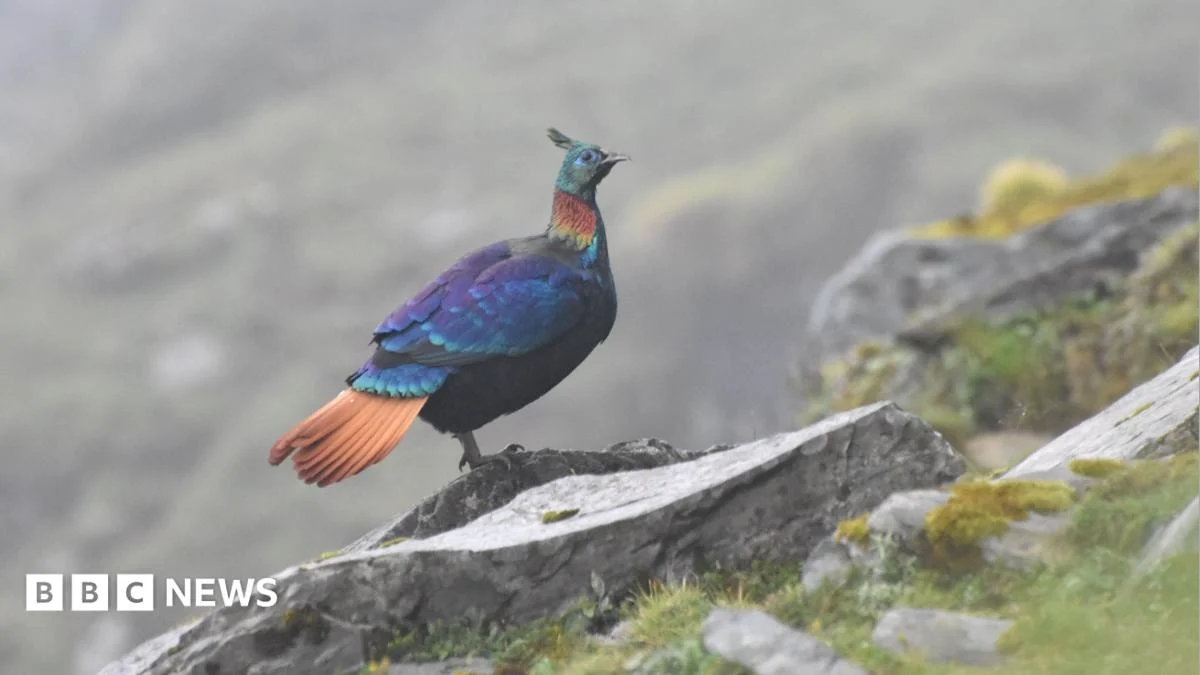
A sharp increase in human activity is altering the way the Himalayan monal lives and communicates, studies show. The bird is adapting its vocal behavior in response to growing environmental pressures.
This shift in communication patterns underscores how wildlife responds to changing landscapes. The Himalayan monal, a brightly colored pheasant found in high-altitude forests, relies heavily on vocalizations for mating and territorial purposes.
Key Facts
- Human activity is impacting the Himalayan monal.
- Studies show changes in the bird’s lifestyle and communication.
- A sharp rise in human presence drives these behavioral shifts.
Who Is Affected?
The Himalayan monal, native to the mountainous regions of the Himalayas, is experiencing disruptions in its natural routines. These birds depend on dense forest cover and quiet environments to thrive.
Increasing foot traffic, tourism, and infrastructure development have fragmented their habitat. The bird’s calls, crucial for attracting mates and signaling danger, are now being modified—possibly to cut through ambient noise or stress caused by frequent disturbances.
Scientists observing these changes note that altered vocalizations may affect breeding success and social dynamics within flocks. This raises concern among researchers studying biodiversity in sensitive alpine ecosystems.
What Happens Next?
Continued monitoring of the Himalayan monal’s vocal trends could reveal long-term impacts on population health. Researchers aim to track whether these adaptations help or hinder survival rates over time.
Conservationists suggest minimizing human encroachment in known habitats to reduce pressure on this species. Protecting nesting zones and limiting access during breeding seasons might preserve the bird’s natural behaviors.
Local governments and international bodies have yet to implement formal protections specifically targeting the Himalayan monal’s habitat. However, growing awareness around wildlife disturbance may prompt policy discussions soon.
What We Know — and What We Don’t
Verified by the source:
- Human activity levels have sharply increased in Himalayan regions.
- Studies indicate resulting changes in Himalayan monal behavior and vocalization.
Still unconfirmed:
- Exact geographic locations where observations were conducted.
- Names of researchers or institutions involved in the studies.
- Timeline of when these behavioral shifts began.
Why It Matters
The plight of the Himalayan monal reflects broader ecological challenges facing wildlife worldwide. As human expansion intensifies, animals must adapt quickly—or face decline. Studying such responses helps inform conservation strategies globally.
What To Watch
Future reports may shed light on protective measures being considered for Himalayan monal populations. Meanwhile, ongoing research will clarify how rapidly and effectively the species adapts.