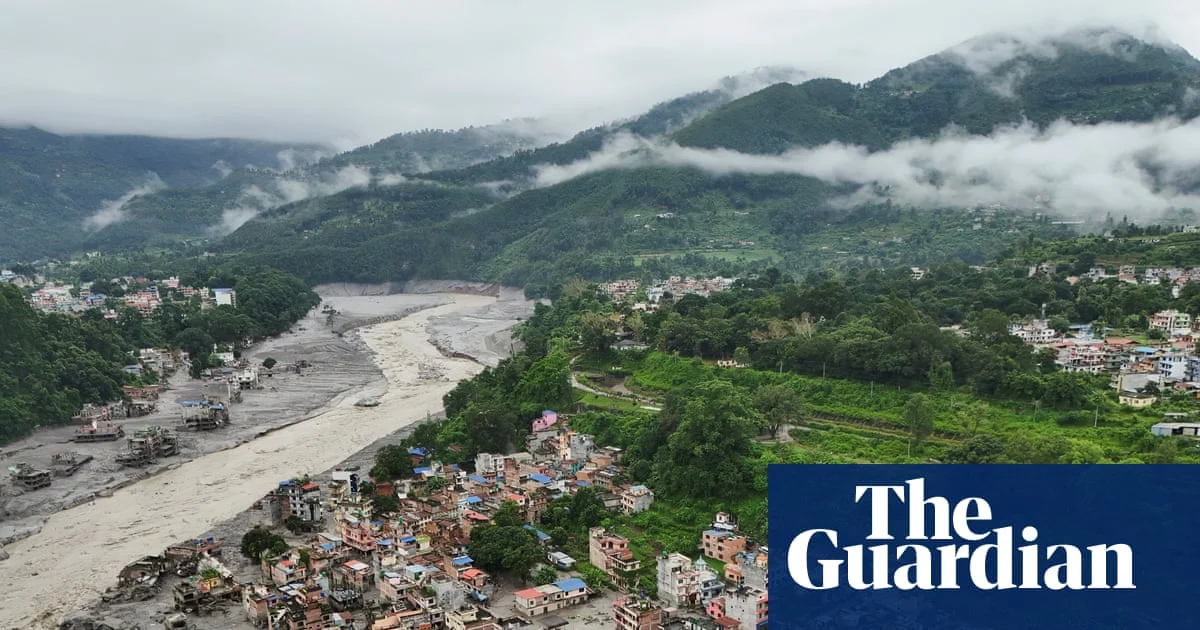
Devastating Himalayan floods are underscoring the escalating threat posed by the climate crisis to India’s mountainous regions, particularly as families continue to search for missing loved ones. The recent disaster has brought into sharp focus the profound and immediate impact of environmental changes on communities, with the agony compounding daily for those whose family members remain unaccounted for.
The events have prompted widespread concern and a reminder of the fragility of these ecosystems. Social media platforms are filled with desperate pleas, including photos and details of individuals from across India, as families seek any information regarding their missing relatives.
Key Facts
- Floods signal a growing threat from the climate crisis.
- Families are awaiting news of missing loved ones.
- The disaster unfolded after a melting glacier.
- The glacier slammed into a valley below.
- The event unleashed rock and ice down the Bhote Kashi River.
How did the disaster unfold?
The recent catastrophic events began when a melting glacier impacted the valley beneath it. This collision initiated a deadly cascade of rock and ice, which then surged down the Bhote Kashi River. This river originates in Tibet and flows into Nepal, suggesting a wider regional impact of the environmental changes.
The force of this cascade highlights the extreme power of natural phenomena when exacerbated by climatic conditions. The sudden and destructive nature of this event left little time for preparation, contributing to the severe consequences experienced by the affected communities. The scale of the impact suggests a significant volume of glacial melt and subsequent debris flow.
Who is affected by these events?
The disaster has had a profound impact on numerous families, many of whom are actively searching for missing loved ones. The report indicates that the agony for these families intensifies with each passing day that their members remain unaccounted for. These individuals hail from various parts of India, including major cities like Mumbai and Kolkata, underscoring the broad reach of the disaster’s human toll.
Social media has become a critical platform for these families, where they are posting desperate pleas, photographs, and details of the missing, encompassing both the young and the old, men and women. The widespread use of social media for these searches illustrates the desperation and the collaborative efforts being made to locate those who are still unaccounted for after the floods.
What does this mean for India’s Himalayas?
The floods serve as a stark reminder of how the climate crisis is creating a rapidly expanding threat to India’s Himalayan regions. The incident involving a melting glacier directly illustrates the immediate dangers posed by changing environmental conditions in these sensitive mountainous areas. Such events suggest that the landscape itself, described as ‘The mountains are changing,’ is undergoing significant and potentially destabilizing transformations.
The impact of a melting glacier initiating a deadly cascade points to vulnerabilities within the Himalayan ecosystem that are becoming more pronounced. This situation also brings attention to the town considered India’s ‘Jurassic Park,’ though the specific relevance or impact on this location is not detailed. Overall, the disaster reinforces the urgent need to understand and address the escalating risks in these regions.
What We Know — and What We Don’t
Verified by the source:
- Floods occurred following a melting glacier impacting a valley.
- The event caused a cascade of rock and ice down the Bhote Kashi River.
- Families across India are searching for missing loved ones.
- The disaster is linked to the climate crisis.
Still unconfirmed:
- The exact number of missing individuals.
- Specific locations affected beyond the Bhote Kashi River valley.
- The extent of damage to infrastructure or property.
- The precise date or time of the glacier impact.
- How the town considered India’s ‘Jurassic Park’ is impacted.
Why It Matters
This event underscores the severe and immediate consequences of the climate crisis on vulnerable regions and populations. The loss and uncertainty faced by families highlight the human cost of environmental change, making it a critical issue that demands attention to safeguard communities and ecosystems in the face of ongoing global warming.
What To Watch
Continued monitoring of climate-related events in the Himalayas is crucial, as is observing the ongoing search and rescue efforts and the broader societal response to the unfolding humanitarian crisis.