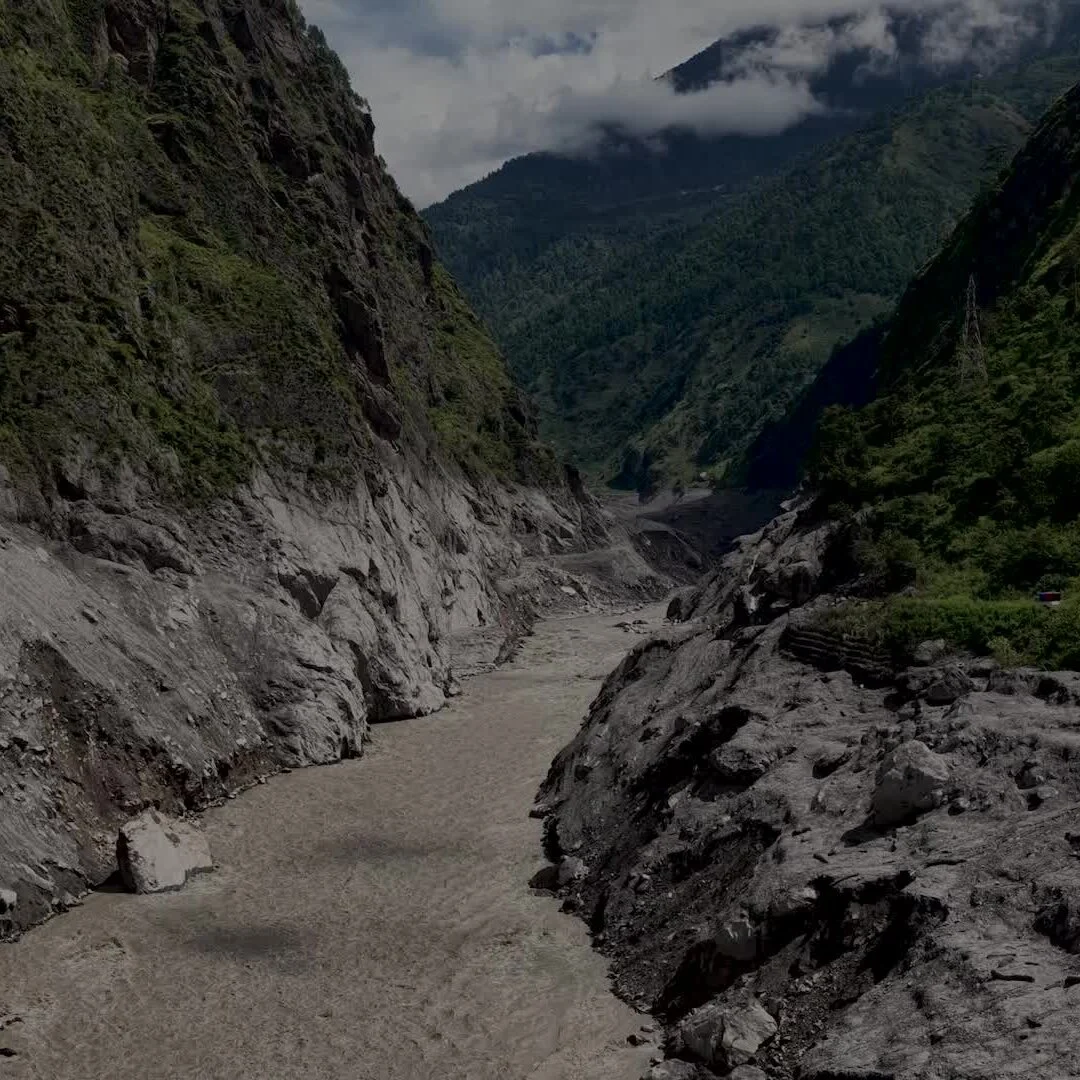
Along the path of the Himalayan floods, entire towns were wiped out and grief continues to mount across Nepal. Survivors describe people and places buried under mud following a disaster that struck regions near the Nepal-Tibet border.
The scale of destruction left behind by the Himalayan floods has left communities struggling to recover, with mourning families searching for missing relatives amid the debris. Relief efforts remain difficult as access routes stay blocked and communication lines stay down across the worst-hit zones.
Key Facts
- Himalayan floods wiped out towns along their path in Nepal.
- Survivors describe mounting grief after the disaster.
- People and places were buried under mud following the floods.
- The disaster affected areas near the Nepal-Tibet border.
Who Is Affected
The disaster struck remote and populated areas along the Himalayan corridor where settlements sit in flood-prone valleys. Entire villages were buried under mud and debris, leaving families without homes, livestock, or basic supplies. Many residents remain unaccounted for, adding to the mounting grief reported by survivors who spoke with reporters.
Local authorities have not yet released official figures on casualties or damage, and relief teams are racing to reach isolated communities cut off by landslides and flooding. The lack of reliable communication networks complicates rescue efforts and slows the delivery of food, water, and medical aid to those in need.
How Did We Get Here
The Himalayan floods followed seasonal monsoon rains that have grown more unpredictable in recent years across the region. Heavy rainfall triggered flash floods and landslides that swept through mountain towns and villages, catching residents off guard. Survivors report that the force of the water and mud buried homes and infrastructure within hours.
Geographically, the area spans the Nepal-Tibet border where steep terrain amplifies the impact of sudden flooding. Historical data suggests similar events have occurred in past decades, but climate-driven weather patterns may be increasing the frequency and intensity of such disasters across the wider Himalayan range.
What We Know — and What We Don’t
Verified by the source:
- Entire towns were wiped out by the Himalayan floods in Nepal.
- Survivors report mounting grief following the disaster.
- People and places were buried under mud after the floods.
Still unconfirmed:
- Exact number of casualties or missing persons.
- Official timeline of when the floods occurred.
- Detailed extent of infrastructure damage.
- Names of specific towns affected.
Why It Matters
The Himalayan floods highlight the growing vulnerability of mountain communities to extreme weather and climate-related disasters. As global temperatures rise, erratic rainfall patterns threaten already fragile ecosystems and the livelihoods of millions who depend on these regions. The mounting grief and loss underscore the urgent need for better disaster preparedness and long-term resilience strategies in geographically sensitive areas.
What To Watch
Official recovery plans and casualty figures have not yet been released. Continued reporting from survivors and aid organizations will help clarify the full scope of damage caused by the Himalayan floods.