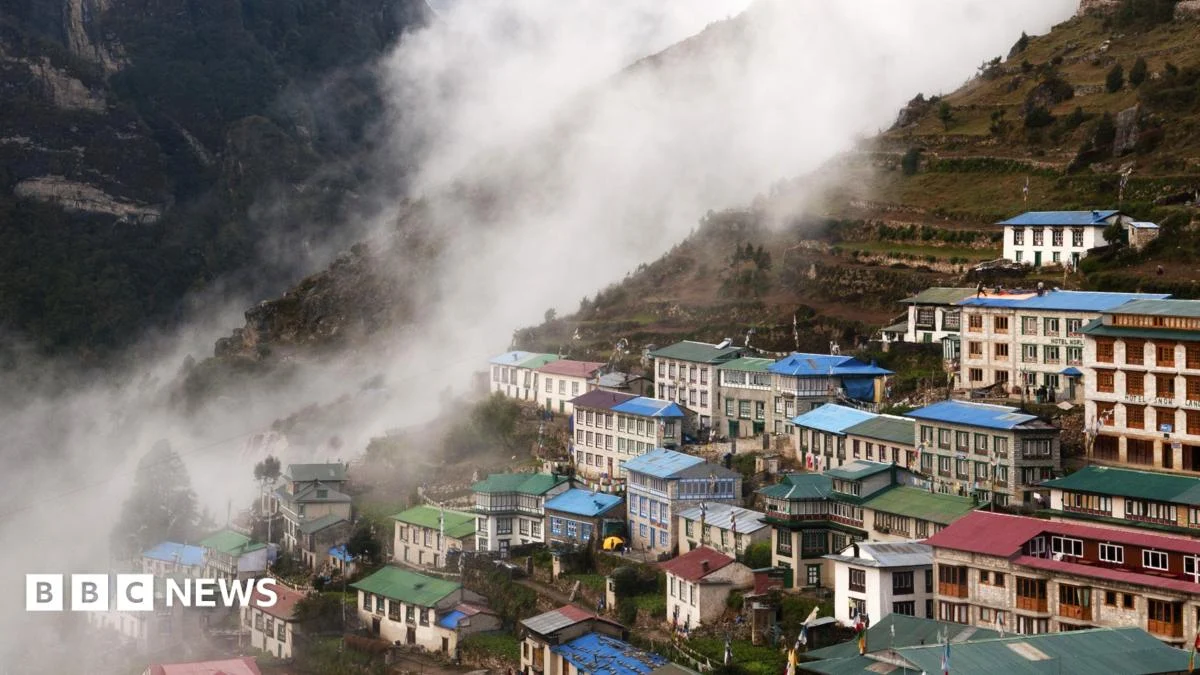
Rapid construction across parts of Nepal and India’s Uttarakhand has placed an estimated 300,000 people in the path of potential Himalayan disaster risk. The building boom includes tourism facilities, housing, and infrastructure developments in seismically active and landslide-prone zones.
According to BBC News, this surge in development raises serious concerns about population exposure to natural hazards common to mountainous Himalayan regions. While economic growth drives the construction push, planners warn that inadequate safety measures could leave new communities vulnerable.
Key Facts
- Construction surge affecting ~300,000 people in Himalayan disaster-prone zones.
- Tourism facilities, housing, and infrastructure being built in Nepal and India’s Uttarakhand.
- New developments located in areas vulnerable to Himalayan landslides and earthquakes.
What happens next?
No specific disaster preparedness policy or resettlement plan was mentioned in the source. However, experts regularly note that unregulated mountain construction increases vulnerability during monsoon seasons and seismic events. Local governments often face pressure to approve developments for short-term economic gain, even where long-term risks remain poorly assessed.
In many Himalayan regions, zoning regulations exist on paper but lack enforcement capacity. Without updated hazard mapping or mandatory building codes, new settlements continue expanding into high-risk terrain. International development agencies frequently call for stricter oversight before additional permits are issued.
The absence of comprehensive risk assessments leaves residents exposed. Future flooding or landslides could trigger large-scale evacuations, especially if critical roads or bridges fail. Climate change intensifying glacial melt and extreme rainfall adds urgency to addressing unsafe development patterns.
Who is affected?
Local residents, migrant workers, and tourists now occupy previously undeveloped slopes and valleys. These groups become directly exposed when hazards strike without early warning systems or safe zones nearby. Communities located near riverbanks or unstable hillsides bear disproportionate danger.
Vulnerable populations include those living in temporary structures or informal settlements lacking foundational engineering standards. Children, elderly individuals, and disabled persons require additional support services not yet guaranteed in emerging locations. Healthcare access remains limited beyond established town centers.
Authorities struggle balancing economic incentives against public safety obligations. Permit delays frustrate investors seeking returns quickly, while disaster response teams must prepare for possible worst-case scenarios at newly populated sites.
Verified by the source:
- Building boom involves tourism, housing, and infrastructure projects.
- Nepal and India’s Uttarakhand are experiencing the surge.
- Approximately 300,000 people are affected according to reporting.
Still unconfirmed:
- Exact timing or scale of recent construction permits.
- Specific casualty projections if disasters occur.
- Government plans for relocating or retrofitting existing sites.
- Name of individual or agency issuing risk warnings.
Why It Matters
Rapid Himalayan development threatens long-term stability across South Asia’s most fragile ecosystems. Increased exposure jeopardizes regional economies dependent on tourism and agriculture alike. Understanding these risks helps readers recognize how infrastructure choices affect millions facing uncertain futures.
What To Watch
Further details may emerge as BBC News continues covering ongoing Himalayan development impacts and official responses.