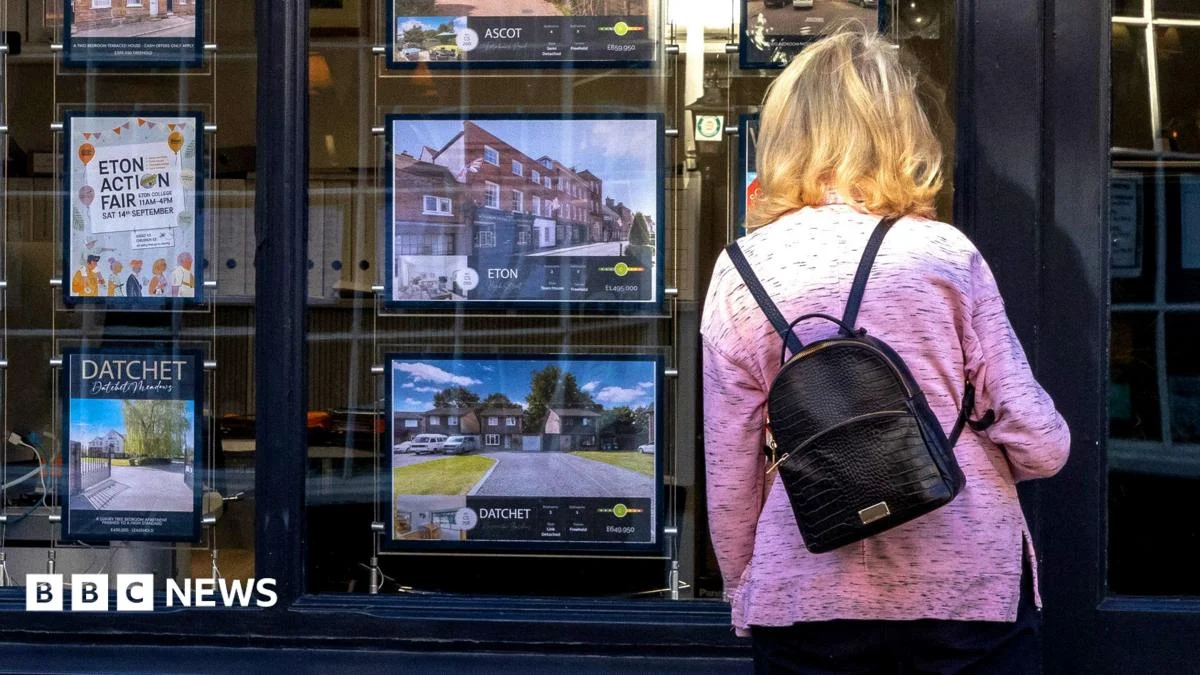
High mortgage rates are making it harder for buyers to commit, leaving three in five homes listed for sale since January still on the market, says property portal Zoopla.
What the data shows
The latest figures from Zooplaza indicate that a significant proportion of properties have not found a buyer in the current market environment. The portal reports that 60% of homes advertised from the start of the year remain unsold, reflecting the pressure that elevated borrowing costs are putting on prospective purchasers.
Why does this matter?
When a large share of listings linger, it can affect overall market liquidity, pricing trends and the confidence of both sellers and investors. Prolonged listing times often lead sellers to reconsider their asking prices, which in turn can influence broader price movements across regions.
Impact on buyers and sellers
For potential homeowners, higher mortgage rates increase the monthly cost of financing a purchase, narrowing the range of properties they can afford. Sellers, meanwhile, face the prospect of holding onto assets longer than anticipated, which may affect cash flow and future planning.
What happens next?
Analysts suggest that the market will continue to respond to changes in interest rates set by the Bank of England. If rates stabilize or fall, borrowing costs could ease, potentially reviving buyer activity and reducing the pool of unsold homes. Until such adjustments occur, the current scenario of stalled sales is likely to persist.
Understanding these dynamics is essential for anyone watching the economy and markets sector, as housing remains a key indicator of economic health. Stakeholders will be monitoring policy signals and mortgage product developments for clues about when the market might regain momentum.
In the meantime, the high mortgage rates environment underscores the challenges facing the UK property market, with many homeowners and buyers navigating a landscape where financing constraints are a dominant factor.