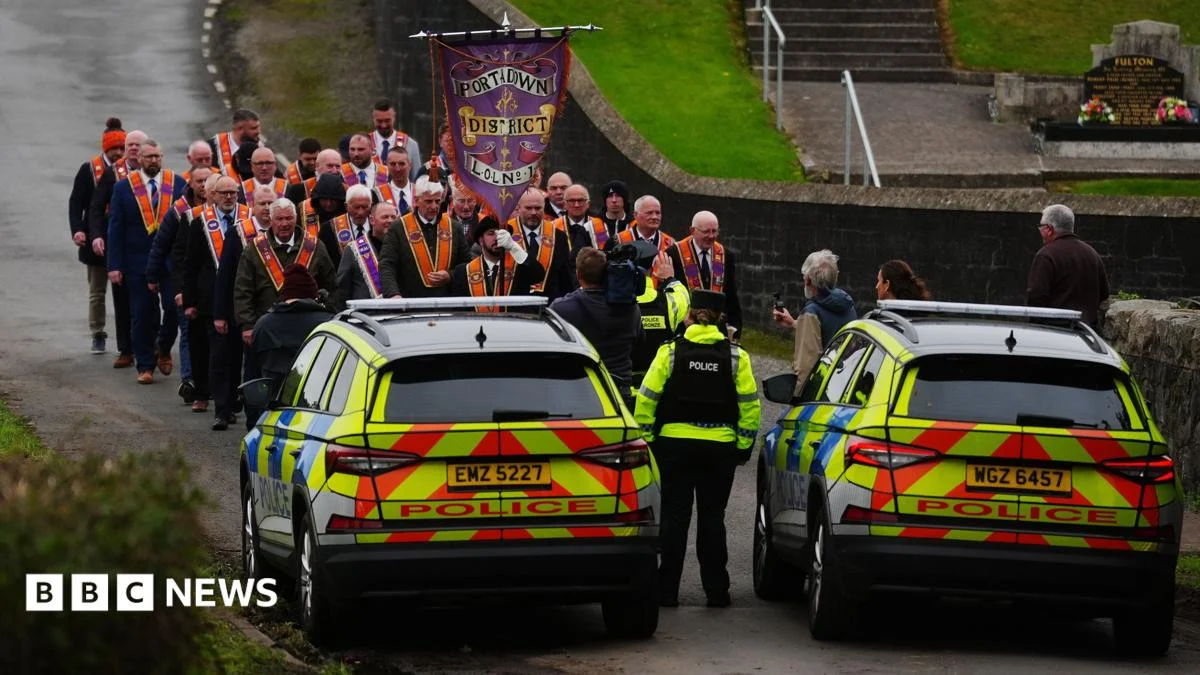
The High Court in Belfast has ruled that a decision imposing restrictions on the Drumcree march was lawful, dismissing a legal challenge aimed at overturning the ban. The ruling affirms the legality of actions taken by officials responsible for determining the terms of the annual parade, which has long been a focal point of political and sectarian tension in Northern Ireland.
The decision being reviewed was made on 9 October, though further specifics about the rationale behind the original ruling or the court’s detailed reasoning were not included in available summaries. Still, the outcome confirms that the body overseeing the event acted within its authority when imposing or maintaining restrictions on the Drumcree march route.
Key Facts
- The High Court in Belfast supported a prior decision regarding the Drumcree march.
- The challenged decision was made on 9 October.
- The court found the decision to be lawful.
- The challenge sought to overturn the existing restrictions on the Drumcree march.
- No quote or detailed reasoning from the court has been provided publicly.
What Is the Drumcree March?
The Drumcree march refers to an annual parade traditionally held near the village of Drumcree in Northern Ireland, organized by loyalist groups. Historically, the march has passed through or near nationalist areas, leading to repeated disputes and heightened security presence. For decades, authorities have had to balance freedom of assembly with public order and community relations. In recent years, restrictions or rerouting of the march have often followed official assessments of safety risks or community tensions, reflecting a broader pattern of managing contested symbols and gatherings in post-conflict Northern Ireland.
What Happens After This Ruling?
While the immediate legal avenue of challenging the Drumcree march decision has been exhausted at the High Court level, the ruling does not necessarily settle long-term questions surrounding the parade itself. Further appeals or alternative routes may still emerge, depending on how future applications for marches are handled. Organizers and oversight bodies must now operate under the established legal framework supported by this judgment. The case also underscores how courts tend to defer to expert discretion in matters involving public safety and communal harmony during sensitive events like the Drumcree march.
What We Know — and What We Don’t
Verified by the source:
- The High Court in Belfast ruled that a decision made on 9 October regarding the Drumcree march was lawful.
- The decision faced a legal bid attempting to overturn it.
- The challenge was unsuccessful.
Still unconfirmed:
- Detailed reasons given by the High Court for its ruling.
- Names of individuals or organizations involved in the challenge.
- Potential next steps, including whether an appeal will be filed.
Why It Matters
This ruling affects ongoing discussions about civil rights, religious freedoms, and political expression in Northern Ireland. Parading traditions remain deeply symbolic expressions of identity for many communities, while simultaneously representing sources of friction where differing views clash. Legal clarity helps ensure that such events proceed peacefully without resorting to violence or unrest. It also reflects the role of judicial oversight in mediating between competing claims within a fragile democratic society still healing from decades of conflict.
What To Watch
Legal experts suggest watching whether any party chooses to escalate proceedings beyond the current judgment, particularly if new applications arise ahead of next year’s scheduled commemorations tied to the Drumcree march tradition. Updates might come via official statements or additional court filings in coming months.