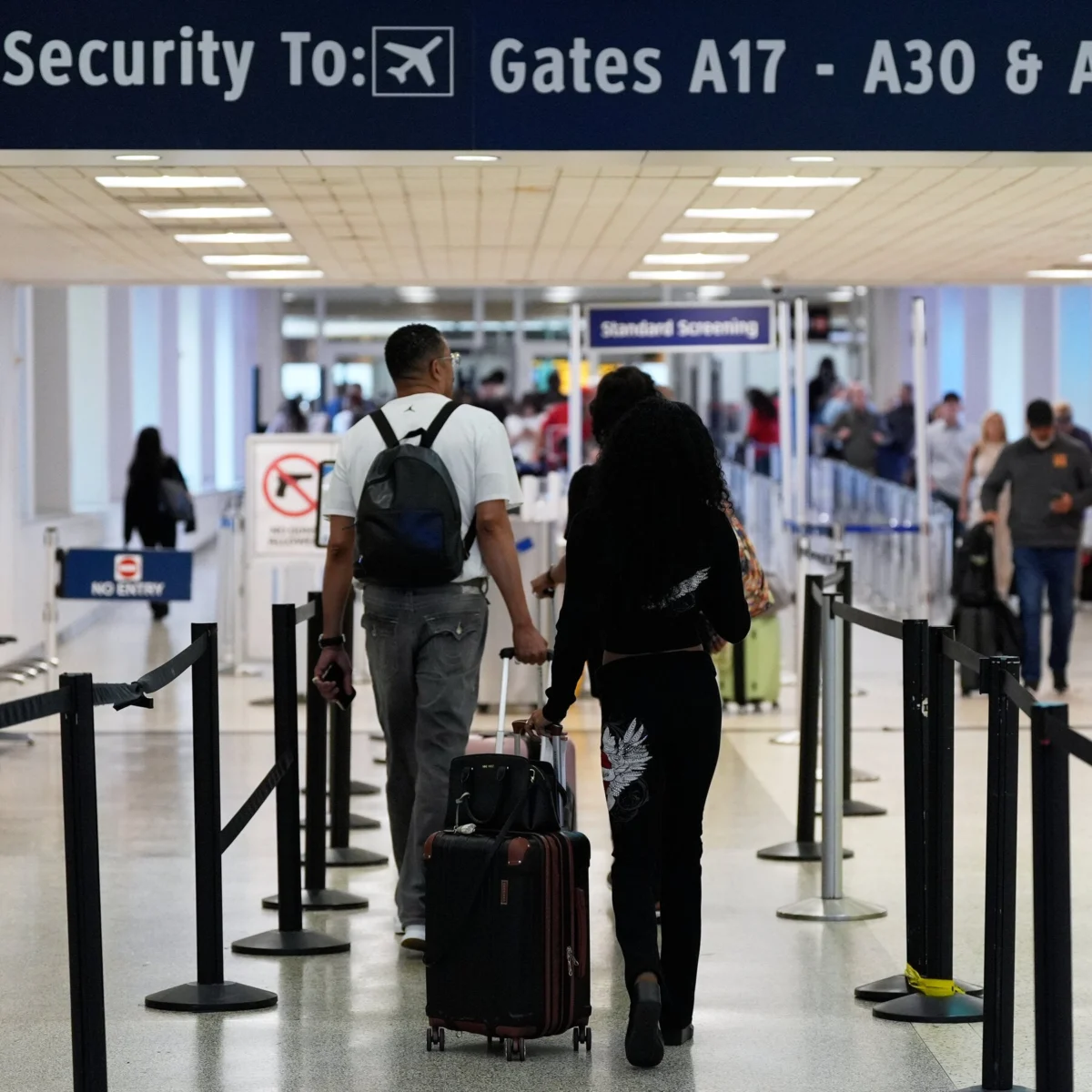
Lede: High airfares may stick around longer than passengers hope. After fuel costs surged following the war with Iran, airlines say even an end to the conflict won’t bring ticket prices back down quickly. Travelers should brace for continued elevated costs across domestic and international routes.
The link between geopolitical tension and energy markets has made airfares especially volatile this year. Airlines are passing higher operating expenses directly to consumers, and the structure of today’s pricing systems means relief is unlikely without broader shifts in supply chains and demand patterns.
Key Facts
- Airfares increased after fuel costs rose due to the war with Iran.
- Airlines say ending the conflict won’t quickly reduce ticket prices.
- Fuel cost spikes tied specifically to the Iran war drove the initial jump.
- Airfares are expected to stay high for the foreseeable future.
The Story
Why Airfares Stayed High After Fuel Spikes
Fuel typically represents one of the largest operating expenses for airlines, often accounting for 20% to 30% of total costs depending on the carrier and route type. When crude oil prices jump abruptly—as they did after the outbreak of war with Iran—carriers must adjust fares almost immediately to maintain profit margins. These adjustments rarely reverse quickly once implemented, since airlines face pressure from investors to sustain revenue levels alongside recovery of sunk costs during periods of inflated spending.
Moreover, many airline business models now favor dynamic pricing algorithms that react swiftly to market disruptions. While effective in stabilizing finances mid-crisis, these tools can unintentionally lock in higher rates unless deliberately recalibrated—a process that requires both time and favorable external conditions such as easing fuel prices or restored consumer confidence.
Who Is Affected by Elevated Ticket Costs
Consumers planning trips—whether for business or leisure—are bearing the brunt of rising airfare trends. Business travelers, who historically accounted for a disproportionate share of airline revenues through premium tickets, find themselves constrained by budget cuts amid economic uncertainty fueled partly by ongoing conflicts abroad.
Families saving for vacation flights also face steep increases, particularly on popular seasonal routes where competition remains limited post-pandemic. Meanwhile, smaller regional carriers struggle more acutely than major networks, lacking the scale needed to absorb short-term losses or diversify fuel sourcing strategies effectively.
What Happens Next for Fare Stability
Airlines currently project no immediate drop in fares despite potential de-escalation in the Iran conflict. Executives cited structural challenges including hedging contracts already locked at elevated prices and fixed-cost obligations like airport slots and staffing commitments that persist regardless of fuel fluctuations.
Should hostilities cease soon, some downward pressure might emerge over months rather than weeks, especially if global oil markets stabilize further. However, without coordinated action among regulators or industry groups to cap surcharges or subsidize green aviation fuels, consumers should expect pricing inertia through at least early next year.
What We Know — and What We Don’t
Verified by the source:
- High airfares resulted from fuel cost spikes caused by the war with Iran.
- Airlines explicitly stated that peace would not rapidly lower fares.
- Fuel costs were directly linked to the escalation involving Iran.
Still unconfirmed:
- Exact duration before fare normalization begins.
- Specific percentage increases or projected fare ranges.
- Names of executives or airlines making official statements.
- Long-term impact if alternate energy supplies compensate for disruptions.
Why It Matters
Stable airfares affect everything from personal travel budgets to corporate meeting logistics and tourism-dependent economies worldwide. As high airfares ripple outward into adjacent industries like hospitality and event planning, understanding their persistence helps readers make informed decisions about upcoming journeys and expenditures.
For policymakers, tracking fare behavior offers insight into whether current monetary responses adequately address underlying volatility drivers—or whether deeper reforms are necessary to insulate travelers from future shocks.
What To Watch
Investors and analysts will monitor upcoming quarterly reports for updated guidance on fuel hedging timelines and revenue forecasts. Any indication of coordinated relief measures or significant shifts in passenger demand could signal earlier-than-expected fare stabilization ahead.
Airlines have yet to release detailed forward-looking statements beyond general warnings about sustained inflationary pressures, so official commentary may clarify expectations within the next reporting cycle.
Meta description: High airfares may persist beyond the Iran war as airlines warn fuel cost spikes keep ticket prices elevated even if hostilities end.