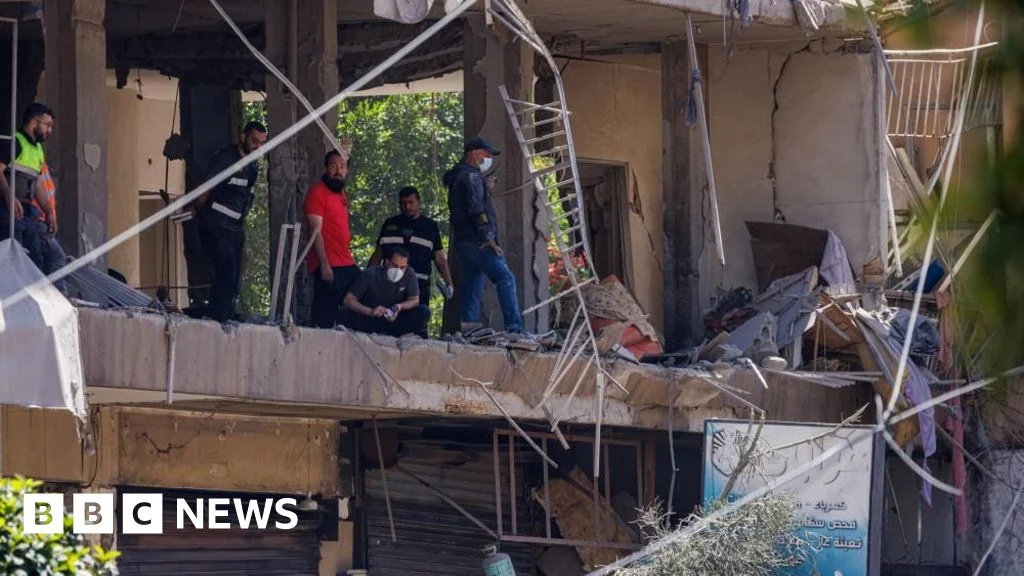
At 03:12 GMT, a thudding explosion rattled a residential block in Beirut’s southern suburbs, the sound of an Israeli missile tearing through the night.
Israel’s military confirmed that the strike hit a Hezbollah‑operated weapons depot, the first confirmed Israeli attack on the Iran‑backed group inside Lebanon since the Gaza war intensified.
Hezbollah’s own statements remain silent, but the timing is striking. Tehran warned that any Israeli move against the militia could derail the delicate US‑Iran nuclear‑deal talks that began last week.
What happened on the ground?
The Israeli Defence Forces released CCTV‑style footage of artillery fire launching from the north‑east, followed by a plume of smoke over the Jabal Al‑Arz district. The Ministry of Defence said the target was a “terrorist infrastructure” used to supply rockets to Gaza.
Local witnesses described a bright flash, a deafening boom, and debris littering narrow alleyways. No official Lebanese casualty figures have been released, but neighbourhood clinics reported several injuries.
Why does this matter?
Hezbollah is a key Iranian proxy on Israel’s doorstep. An Israeli strike inside Beirut escalates a conflict that has largely been contained since 2006. If Tehran decides to retaliate, the risk of a broader regional war rises sharply.
More immediately, the attack throws a wrench into the US‑Iran talks aimed at reviving the 2015 nuclear accord. Washington’s senior negotiators have warned that Tehran could walk away if Israel deepens its campaign against Iranian‑linked forces.
For ordinary citizens, the fallout could mean higher oil prices, disrupted trade routes in the Eastern Mediterranean, and a surge in refugee flows across Europe.
Who is affected?
Beyond the combatants, the strike touches everyday lives. Lebanese citizens already coping with a crippling economic crisis now face possible retaliation that could shutter Beirut’s port, a lifeline for imports.
Investors watch the tension closely; any escalation tends to spike economy and markets volatility, especially in energy commodities.
What happens next?
Analysts expect Tehran to issue a stern statement, possibly threatening a proportional response. Hezbollah may launch rockets from southern Lebanon, prompting further Israeli air raids.
Western diplomats will likely press both sides to avoid a spiral, but the window for diplomatic cooling is narrowing.
As the dust settles over Beirut, the world watches for the next move in a high‑stakes game that could redraw the Middle East’s security map.
Meta description: Israeli forces struck a Hezbollah weapons depot in Beirut, heightening regional tensions and threatening US‑Iran nuclear talks.