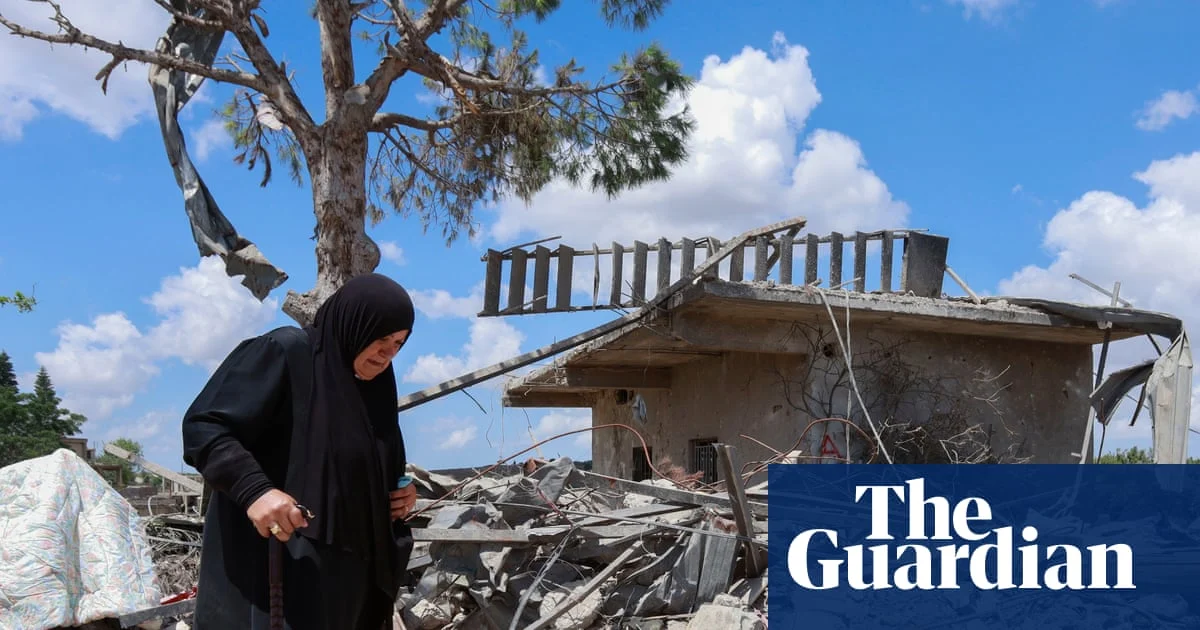
The reliance on Hezbollah’s social welfare system in southern Lebanon highlights the growing divide between the group and the Lebanese state, exacerbated by Israel’s continued presence in the region. According to The Guardian, residents increasingly depend on Hezbollah’s networks as the cash-strapped government fails to provide essential services.
Key Facts
- Fatima al-Ashkar, a 26-year-old resident of Markaba, explained her husband’s death to their children using toy soldiers.
- Mohammed Ali, her husband and a Hezbollah member, was killed fighting Israel.
- Hezbollah’s social welfare system supports residents in southern Lebanon.
- The Lebanese state struggles to provide essential services due to financial instability.
How Did This Divide Develop?
The Lebanese state has long faced economic challenges, leaving gaps in public services that Hezbollah has filled. The group’s extensive social welfare network includes healthcare, education, and financial aid, making it indispensable for many residents in southern Lebanon. This reliance has deepened amid Israel’s continued military presence, which has further strained the region’s resources.
Who Is Affected?
Families like Fatima al-Ashkar’s are directly impacted by the ongoing conflict and the state’s inability to provide support. Residents in southern Lebanon increasingly depend on Hezbollah’s aid, which strengthens the group’s influence while widening the gap between it and the Lebanese government. This dynamic has significant implications for regional stability.
What We Know — and What We Don’t
Verified by the source:
- Hezbollah’s social welfare system is a primary source of support for residents in southern Lebanon.
- The Lebanese state is financially strained and unable to provide essential services.
Still unconfirmed:
- The full extent of Hezbollah’s influence in southern Lebanon beyond social welfare.
- The Lebanese government’s plans to address its financial and service delivery challenges.
Why It Matters
The growing reliance on Hezbollah underscores broader geopolitical tensions in the region. As the Lebanese government struggles, Hezbollah’s influence expands, potentially reshaping the balance of power in Lebanon and beyond. This dynamic also highlights the human cost of prolonged conflict and economic instability.
What To Watch
Observers will monitor any shifts in the Lebanese government’s ability to address its financial crises and provide services. Continued reliance on Hezbollah could further entrench the group’s role in southern Lebanon.