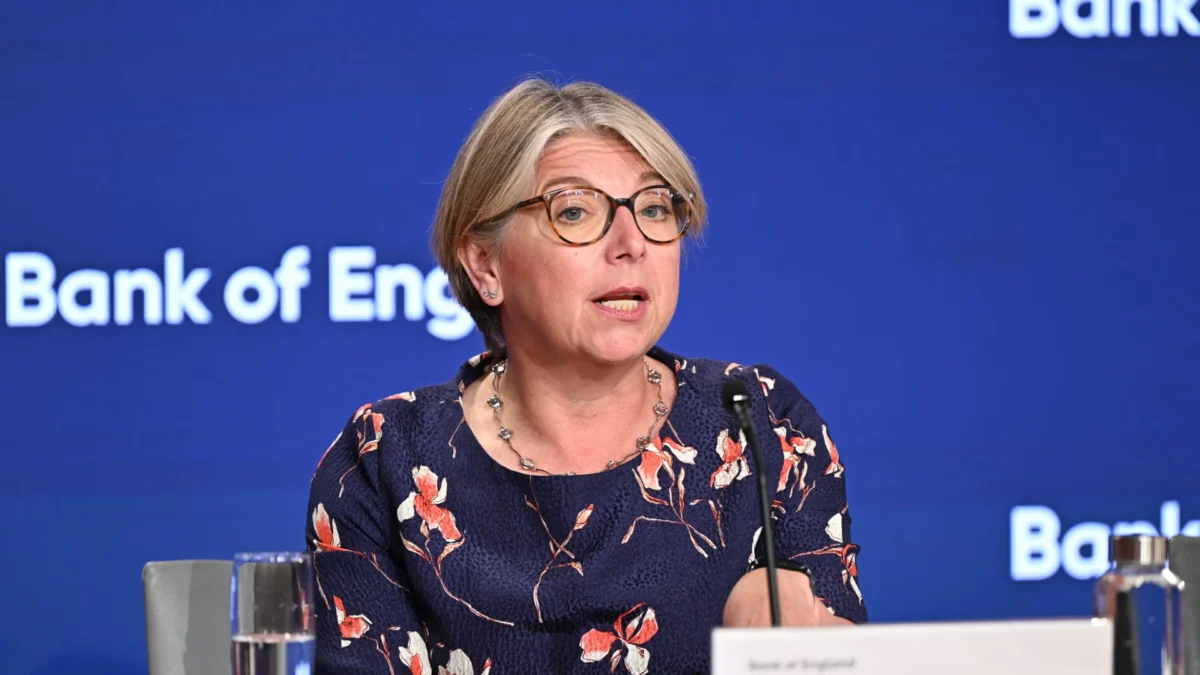
A Bank of England deputy governor has warned that hedge funds’ activities could raise the risk of a global bond market shock. This statement comes amid market concerns about financial stability and leveraged investing. Bond markets are sensitive to sudden changes in investor behavior, especially when large players like hedge funds adjust positions rapidly.
The warning highlights how hedge funds, which often use borrowed money to amplify bets, can contribute to volatility in global bond markets. When these funds make large purchases or sales of bonds, the ripple effects can cascade across international financial systems. A bond market shock typically refers to sharp, unexpected movements in bond prices and yields, which can impact borrowing costs for governments, corporations, and consumers.
Key Facts
- Bank of England deputy governor issued the warning about hedge funds and bond market shock.
- Hedge funds’ activities could raise risk of a global bond market shock.
- Warning relates to financial stability and leveraged investment strategies involving bonds.
- Bond market shocks can drive sharp swings in bond prices and yields globally.
- Borrowing costs for governments, corporations, and consumers are affected by bond market volatility.
Why hedge funds matter in bond markets
Hedge funds play a significant role in bond markets due to their ability to deploy large amounts of capital quickly. These funds often engage in complex strategies such as carry trades, arbitrage, and leveraged buying or selling. While these practices can enhance returns, they may also amplify market movements when many funds act in similar ways.
According to US Top News and Analysis, the Bank of England official emphasized that hedge funds’ coordinated actions pose a systemic risk. If multiple funds simultaneously reduce holdings or increase leverage, bond yields can swing dramatically. This phenomenon was evident during past stress events, although no specific historical example was cited in this report.
What happens next in bond markets?
Regulators worldwide are increasingly scrutinizing hedge fund behavior to prevent future disruptions. However, the challenge lies in balancing oversight with market efficiency. Tight regulations might stifle innovation, while loose oversight could invite another episode of instability.
Bond market participants are closely watching policy developments. Further clarity from regulators — including whether new rules will be proposed — could ease investor concern. At the same time, ongoing uncertainty keeps traders alert for signs of unusual positioning among major funds.
What We Know — and What We Don’t
Verified by the source:
- A Bank of England deputy governor warned about hedge fund risks to the bond market.
- The concern focuses on how hedge funds might heighten the chance of a bond market shock.
- Bond market shocks refer to sudden shifts in bond prices and yields affecting broader finance.
- Hedge funds use leverage that can intensify market swings.
- Borrowing costs across sectors are tied to bond market movements.
Still unconfirmed:
- The name and exact title of the Bank of England deputy governor who spoke.
- The date, venue, or format of the remarks.
- Any direct quote or detailed transcript of the statement.
- Potential policy responses or regulatory steps being considered.
- Quantified estimates of current hedge fund positions in bonds.
Why it matters
A bond market shock can reverberate through the entire economy. Higher borrowing costs affect mortgages, business loans, and government debt servicing. Investors, policymakers, and everyday savers all have a stake in stable bond markets. Understanding the role of hedge funds helps readers grasp why seemingly distant financial warnings matter to personal finances and economic stability.
Monitoring developments in bond markets and hedge fund regulation offers insight into evolving financial risks. Stay tuned to sources for updates on policy responses and any signs of shifting market sentiment.