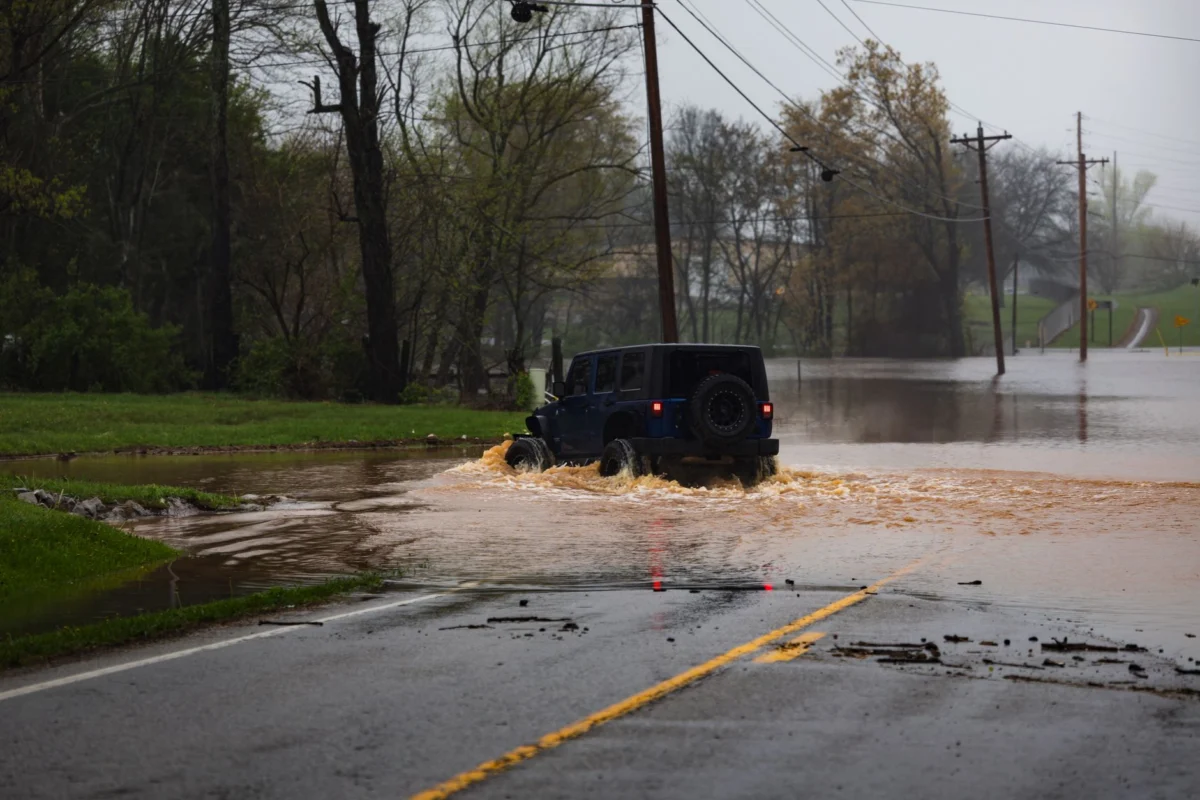
Heavy rain, wind, and flooding plagued much of the United States on Thanksgiving holiday, disrupting travel and holiday plans across multiple regions. The severe weather system brought hazardous conditions to areas already managing high volumes of holiday traffic and gatherings.
According to AP News, the widespread weather event created dangerous flooding situations and wind-related hazards throughout the country during one of the year’s busiest travel periods. The timing amplified impacts on transportation networks and outdoor holiday activities.
Key Facts
- Heavy rain affected much of the US
- Strong winds accompanied the rainfall
- Flooding occurred across multiple regions
- Weather struck during Thanksgiving holiday
- Reported by AP News via Google News
The Story
What Weather Conditions Were Reported?
The weather system delivered a combination of heavy precipitation, sustained winds, and resulting flooding across a broad geographic area. Heavy rain can overwhelm drainage systems quickly, especially in urban areas where impervious surfaces prevent absorption. Wind compounds risks by toppling trees, damaging structures, and creating hazardous driving conditions for high-profile vehicles.
Meteorologists note that late November storm systems often draw moisture from the Gulf of Mexico or Pacific Ocean, fueling intense rainfall rates. When these systems stall or move slowly, flooding risks increase significantly. The reported conditions match patterns common to strong autumn low-pressure systems crossing the continental United States.
Who Is Affected by Thanksgiving Flooding?
Holiday travelers represent the most immediately affected population. Thanksgiving week traditionally sees the highest long-distance travel volumes of the year, with millions driving, flying, or taking rail. Flooded roadways force closures and detours, while wind triggers ground stops and delays at airports. Families attempting to reach gatherings face difficult decisions about postponing or canceling plans.
Emergency responders and transportation crews work extended hours during such events, managing water rescues, clearing debris, and monitoring vulnerable infrastructure. Residents in flood-prone areas may face evacuation orders or property damage. Utility companies address wind-related outages that can affect thousands of customers simultaneously.
How Did We Get Here?
The United States experiences increased severe weather frequency during seasonal transitions. Autumn brings clash zones between retreating warm air and advancing cold fronts, spawning powerful storm systems. Climate data shows rising extreme precipitation events nationwide, with the heaviest rainfall days becoming more intense across most regions.
Thanksgiving’s fixed Thursday date means holiday travel always coincides with late November weather patterns. Historical records show memorable Thanksgiving storms, including the 1950 Great Appalachian Storm and 1989’s East Coast snowstorm. Modern forecasting provides days of lead time, but localized flooding remains difficult to predict with precision.
What We Know — and What We Don’t
Verified by the source:
- Heavy rain occurred across much of the US
- Wind accompanied the rainfall
- Flooding was reported in multiple areas
- Event took place on Thanksgiving holiday
- AP News reported the conditions
Still unconfirmed:
- Specific states or cities most affected
- Number of travelers disrupted or stranded
- Injury or fatality counts related to weather
- Property damage estimates
- Duration of flooding and wind impacts
- Whether weather warnings were issued in advance
- Transportation corridor closure details
Why It Matters
Thanksgiving flooding affects millions directly through travel disruption and indirectly through supply chain delays and emergency resource allocation. The convergence of peak travel and severe weather tests infrastructure resilience and emergency preparedness systems nationwide.
What to Watch
Follow-up reports from AP News and local National Weather Service offices will clarify specific impacts, casualty figures, and recovery timelines as assessment crews reach affected areas.