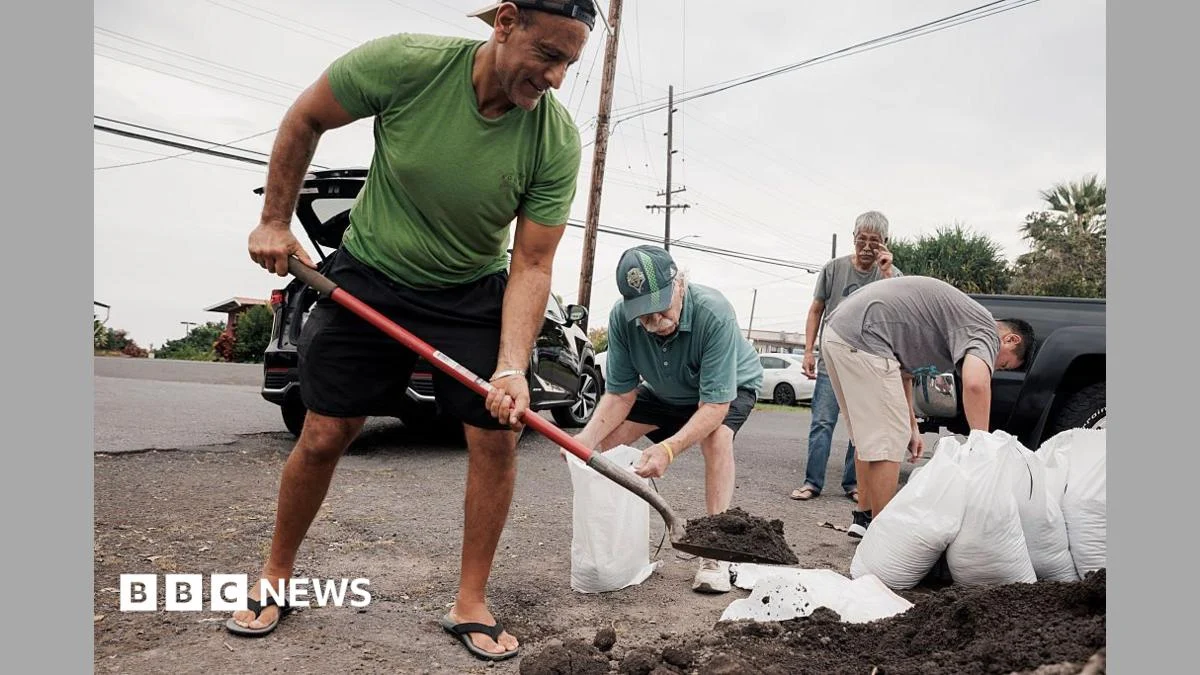
Hawaii is bracing for its first direct hit by a hurricane in 34 years as Category 1 storm Lala approaches. In a worst-case scenario, the storm could dump up to 25 inches (63 cm) of rain on Big Island.
The last time Hawaii experienced a direct hurricane strike was in 1992 when Hurricane Iniki caused widespread damage to Kauai. While Lala is currently a Category 1 storm, its potential rainfall could lead to dangerous flooding and landslides.
Key Facts
- Hawaii may experience its first direct hurricane hit in 34 years
- Hurricane Lala is currently a Category 1 storm
- Potential rainfall could reach 25 inches (63 cm) on Big Island in worst-case scenario
How unusual is a hurricane threat for Hawaii?
Direct hurricane hits are exceptionally rare for Hawaii due to its location in the central Pacific. The islands’ mountainous terrain and surrounding cooler waters typically weaken approaching storms. The last major hurricane to make direct landfall was Hurricane Iniki in 1992, which caused an estimated $3.1 billion in damage (adjusted for inflation). Tropical storms and hurricanes more commonly pass near the islands rather than making direct landfall.
What are the potential impacts?
The primary concern with Hurricane Lala appears to be heavy rainfall rather than extreme wind damage, given its current Category 1 status. The predicted 25 inches of rain could lead to flash flooding, especially in mountainous areas where runoff can quickly overwhelm streams and rivers. Agricultural areas on Big Island’s windward (eastern) side would be particularly vulnerable to flooding. However, hurricane paths can change quickly, and all islands should monitor the storm’s progress closely.
What We Know — and What We Don’t
Verified by the source:
- Hawaii is preparing for potential first direct hurricane hit in 34 years
- Hurricane Lala could dump up to 25 inches of rain on Big Island
- The storm is currently Category 1 strength
Still unconfirmed:
- The exact path Hurricane Lala will take
- Precise timing of potential landfall
- Which specific areas might receive heaviest rainfall
- Whether the storm might strengthen or weaken before approaching the islands
Why It Matters
A direct hurricane hit could test Hawaii’s emergency preparedness systems that have mainly dealt with near-miss tropical storms in recent decades. The islands’ infrastructure, particularly in rural areas, may not be fully equipped to handle extended power outages or road closures that could result from severe flooding. Additionally, Hawaii’s isolation makes disaster response challenging, as all supplies must be flown or shipped in.
What To Watch
Emergency officials will likely issue updates as Hurricane Lala’s path becomes more certain. Residents should monitor official storm tracking information and prepare emergency kits while waiting to see if the storm maintains its current trajectory toward the islands.