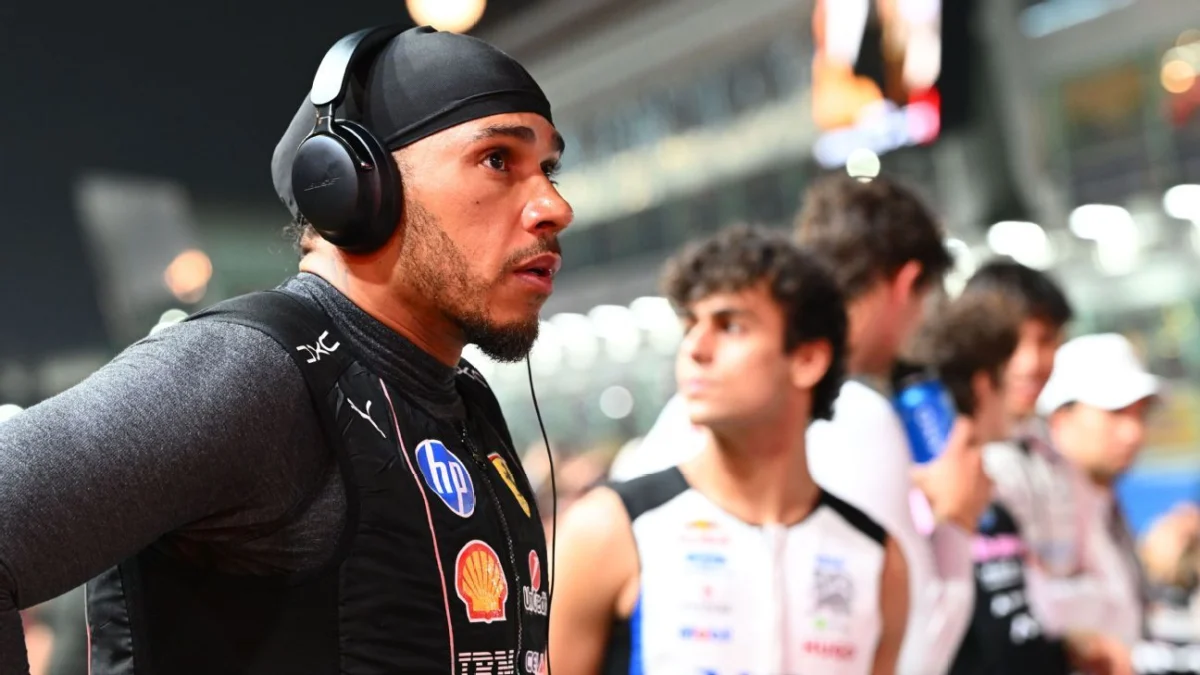
Lewis Hamilton called his strategic decision during the Singapore Grand Prix a ‘painful lesson’ after it resulted in a significant drop in his finishing position. The veteran driver went from third place to sixth in the final laps of the race, highlighting the high stakes and split-second choices that define Formula 1 competition.
Hamilton’s reflection underscores the unpredictable nature of race strategy, where even experienced drivers and teams can face consequences from tactical calls. His candid admission offers insight into the intense pressure and precision required in elite motorsport.
Key Facts
- Lewis Hamilton described his strategic choice as a painful lesson.
- The decision caused his position to drop from P3 to P6 in the Singapore Grand Prix.
- The positional change occurred in the final 12 laps of the race.
- Hamilton ignored a Ferrari pit call during the event.
- The incident took place at the Marina Bay Circuit.
What Led to the Strategic Misstep?
During the closing stages of the Singapore Grand Prix, Lewis Hamilton made a tactical decision that ultimately cost him valuable track position. With twelve laps remaining, he chose to disregard a pit stop recommendation from Ferrari, the team with which he was collaborating for the weekend. This deviation from the advised strategy moved him from third place to sixth by the race conclusion.
In Formula 1, pit call coordination between drivers and teams is critical. A missed opportunity to adjust strategy can result in lost time due to tire degradation or fuel management issues. Hamilton’s choice reflects the balance between driver instinct and technical guidance that defines competitive racing.
How Does This Impact Future Races?
Hamilton’s acknowledgment of the strategic error provides a learning moment for both himself and his team. In motorsport, every race contributes to a larger dataset of decisions and outcomes. By labeling the choice a painful lesson, he signals a commitment to refining future approaches under similar circumstances.
This reflection also highlights the evolving dynamics within Formula 1, where real-time decisions can dramatically alter championship standings. As the season progresses, teams and drivers will continue to evaluate risk versus reward in high-pressure situations like those encountered in Singapore.
What We Know — and What We Don’t
Verified by the source:
- Hamilton described the strategic decision as a painful lesson.
- His position dropped from P3 to P6 in the final 12 laps.
- He ignored a Ferrari pit call during the Singapore Grand Prix.
- The race took place at the Marina Bay Circuit.
Still unconfirmed:
- The specific reasoning behind Ferrari’s recommended pit call.
- Whether this decision affected overall championship points.
- Details about tire compounds or weather conditions during the race.
- Direct quotes or statements from the team principal.
Why It Matters
Strategic decisions in Formula 1 carry immediate and long-term consequences for driver and team performance. Hamilton’s transparency about his error demonstrates the sport’s emphasis on continuous improvement and adaptation, which resonates with fans and competitors alike.
What To Watch
Fans can expect further analysis from experts as the season unfolds, particularly regarding how this strategic lesson influences upcoming races. Whether Hamilton and his team apply these insights in future events remains to be seen.