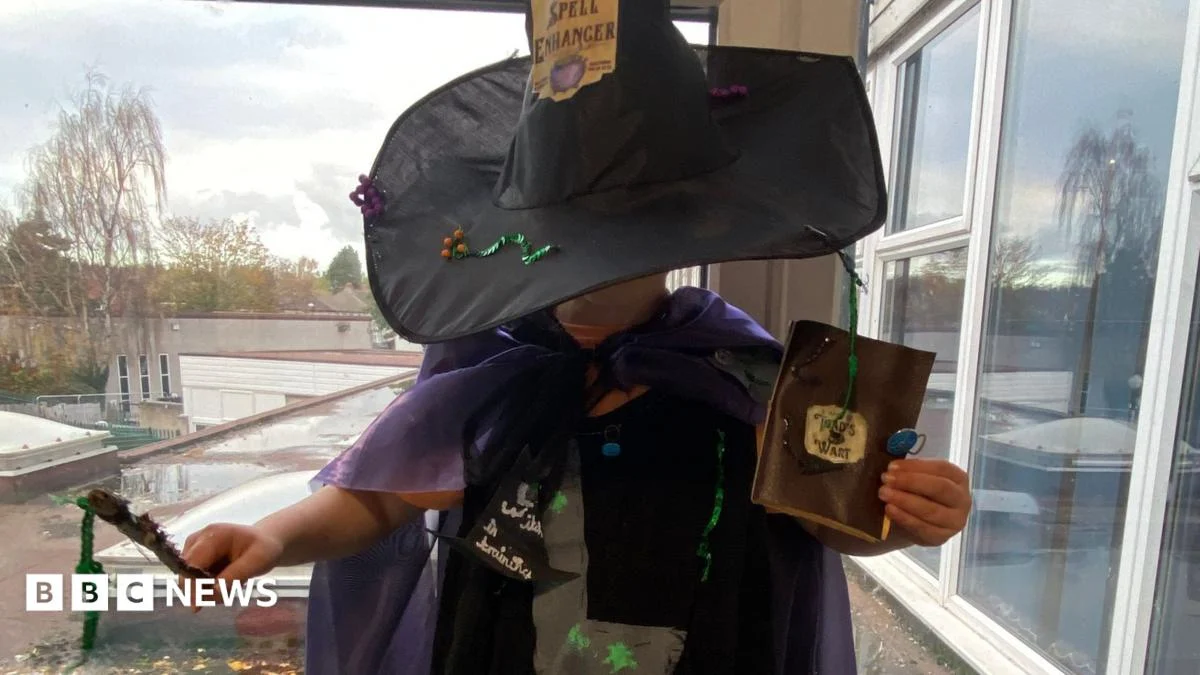
Families across the UK are adapting to rising Halloween expenses by choosing cheaper alternatives such as homemade costumes, costume swaps, and second-hand outfits, according to BBC News. As Halloween spending continues to grow, households are finding creative ways to cut the cost without abandoning the holiday entirely.
The shift reflects broader financial pressures affecting household budgets, with Halloween becoming an increasingly expensive tradition. Rather than purchasing new costumes at retail prices, consumers are turning to resourceful, lower-cost options that allow them to participate while saving money.
Key Facts
- Families are cutting the cost of Halloween as spending grows, BBC News reports.
- Homemade costumes are one popular method for reducing Halloween cost.
- Costume swaps and second-hand outfits are also being used to lower expenses.
Why Are Families Changing Halloween Habits?
Rising living costs and inflation have placed pressure on household budgets, making discretionary spending more difficult to justify. Halloween, once a relatively low-cost celebration, has evolved into an occasion where families spend significantly on decorations, treats, and especially children’ costumes. According to BBC News, this increase in spending has prompted many households to reconsider how they approach the holiday.
The trend toward homemade and second-hand options suggests a growing emphasis on practicality over convenience. Many families are sharing costumes within their social circles through informal swap systems, while others are sourcing gently used items from thrift stores or online marketplaces.
What Happens Next for Halloween Spending Trends?
The continued growth in Halloween spending may push more families toward alternative purchasing behaviors. Retailers could see reduced demand for expensive new costumes, especially if economic conditions remain challenging. At the same time, community-based initiatives like costume libraries or local swap events may gain traction.
BBC News notes that these behavioral shifts indicate a longer-term change in how people engage with seasonal celebrations. Whether this trend sustains beyond Halloween 2024 depends largely on future shifts in consumer confidence and overall economic stability.
What We Know — and What We Don’t
Verified by the source:
- Families are cutting Halloween cost through homemade costumes, swaps, and second-hand outfits.
- Halloween spending is increasing overall.
Still unconfirmed:
- Specific figures on how much spending has increased.
- The number of families adopting these cost-cutting methods.
- Whether this trend will continue in future years.
Why It Matters
The move toward affordable Halloween alternatives highlights how economic pressures are reshaping consumer behavior across entertainment and lifestyle categories. It also underscores the importance of flexible budgeting strategies during periods of high inflation.
What To Watch
Retail sales data for Halloween 2024 may shed light on whether alternative costume trends persist. Watch for updates from [economy and markets] and related reporting on household spending adjustments.