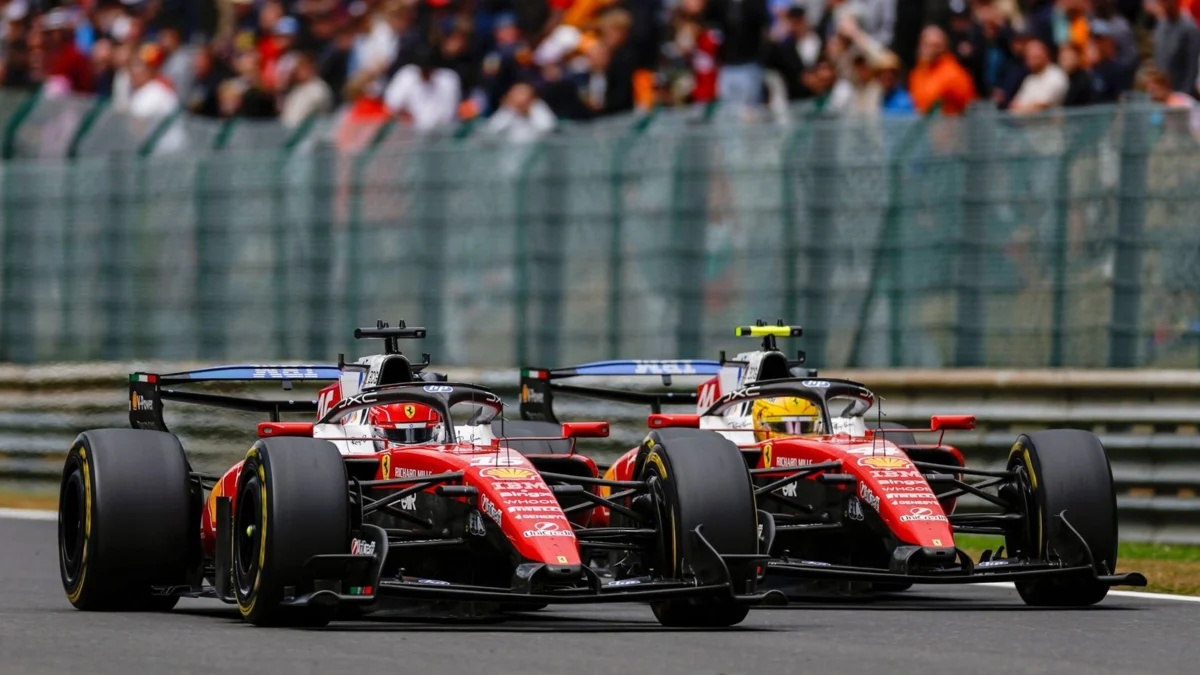
Two-time Formula 1 world champion Mika Hakkinen has warned teams risk severe fan backlash if they implement team orders during this year’s championship fight. The Finnish driver suggested supporters would harshly criticize any squad perceived to be manipulating results through coordinated driver strategies.
Team orders remain a controversial topic in F1, allowing constructors to prioritize one driver’s championship chances over another’s by instructing teammates to swap positions or alter race strategies. While legal under current regulations, their use often sparks debates about sporting integrity.
KEY FACTS
- Mika Hakkinen predicts fans will 'crucify' F1 teams using team orders in the title battle
- The two-time world champion issued the warning regarding the 2026 season
- Team orders allow constructors to influence races by coordinating driver strategies
Why are team orders controversial?
Team orders remain divisive because they can override pure racing competition. When one driver is clearly faster but ordered to let a teammate pass, it creates perception issues about whether results reflect true performance. Historical incidents like Ferrari’s infamous 2002 Austrian Grand Prix team order still resonate with fans who value unfiltered competition.
What’s at stake for teams?
Constructors face balancing acts between maximizing points through strategic cooperation and maintaining fan trust in authentic competition. While team orders can optimize championship outcomes, overuse risks alienating supporters who want to see drivers competing fairly. The commercial implications of fan dissatisfaction could outweigh short-term points gains.
WHAT WE KNOW — AND WHAT WE DON’T
Verified by the source:
- Mika Hakkinen issued a warning about potential fan reactions to team orders
- The concern specifically relates to their use in the 2026 title battle
Still unconfirmed:
- Which teams might consider using orders this season
- Whether any specific incidents prompted Hakkinen’s comments
- How current regulations compare to previous eras regarding order enforcement
WHY IT MATTERS
Fan perception directly impacts Formula 1’s commercial success and long-term popularity. If audiences believe races are being manipulated rather than genuinely contested, it could diminish engagement with the sport just as its global audience grows. The warning highlights ongoing tensions between competitive purity and strategic team management.
WHAT TO WATCH
How teams balance competitive priorities throughout the season, and whether any high-profile incidents spark renewed debate about regulating team orders. The first major championship battle where one team has two contending drivers may test these waters.