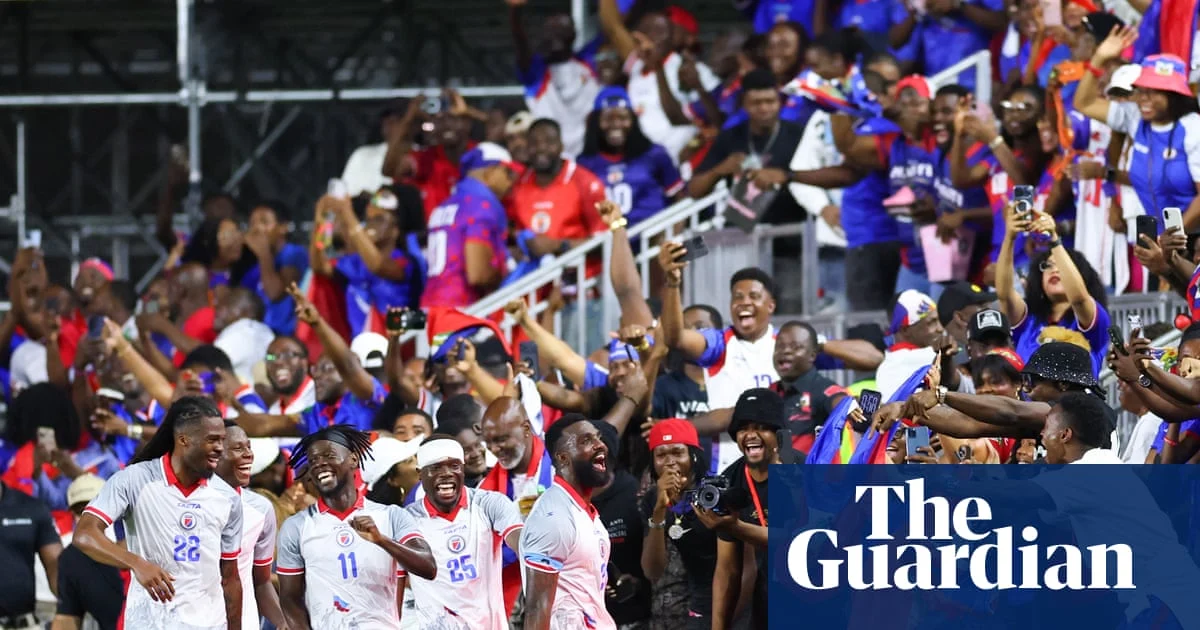
Haiti will host the United States in their Concacaf Nations League quarter-final first leg in Miami after Concacaf approved an exceptional hosting arrangement. The match, originally scheduled for Kingston, Jamaica, is set for 14 November. Haiti has been unable to play nominal home games within its borders since July 2021 due to widespread gang control, including in Port-au-Prince where the national stadium is located.
The relocation reflects Haiti’s ongoing struggle to host international football fixtures domestically. The team has previously played World Cup qualifiers in Curaçao, Aruba and Barbados. For this Nations League fixture, scheduling conflicts forced Haiti to move to Sabina Park in Kingston, a venue more commonly associated with Jamaican cricket and football.
Key Facts
- Concacaf approved Haiti’s request to relocate their Nations League quarter-final first leg against the United States to Miami.
- The match was originally scheduled for Kingston, Jamaica, on 14 November.
- Haiti has been unable to play nominal home games within its borders since July 2021.
- The United Nations estimates that 90% of Port-au-Prince, including the national stadium, is controlled by violent gangs.
- Sabina Park, now primarily a cricket ground, previously hosted two of Haiti’s Nations League qualifier matches.
Why the Move to Miami?
Concacaf confirmed on Thursday that it had approved Haiti’s request to relocate the fixture under an exceptional hosting arrangement. The decision stems from Haiti’s inability to stage international matches at home, a situation that has persisted since July 2021. The United Nations has reported that 90% of Port-au-Prince, including the national stadium, is under the control of violent gangs, rendering domestic venues unsafe or inaccessible for international football.
This is not the first time Haiti has had to seek alternative venues for crucial matches. During the 2026 World Cup qualifiers, the team played in Curaçao, Aruba and Barbados rather than in Haiti. The Nations League format created additional scheduling challenges, as Curaçao and Jamaica were also scheduled to host matches on the same night as Haiti’s fixture, necessitating the use of Sabina Park in Kingston.
What Happens Next?
The relocated fixture in Miami represents a temporary solution to Haiti’s venue crisis. While playing abroad allows the Haitian national team to continue competing in international tournaments, it removes any meaningful home advantage for what is nominally a home leg. Haiti’s last domestic home game was prior to July 2021, and the ongoing security situation suggests that return to Port-au-Prince remains uncertain.
Miami’s large Haitian diaspora community may provide some semblance of local support, though it is unclear how many fans will travel or attend. The second leg of the quarter-final tie will be hosted by the United States, maintaining the home-and-away structure of the competition. No further details about venue logistics or ticket arrangements have been provided by Concacaf at this stage.
What We Know — and What We Don’t
Verified by the source:
- Concacaf approved Haiti’s request to relocate the Nations League quarter-final first leg against the United States to Miami.
- The match is scheduled for 14 November.
- Haiti has been unable to play home games within its borders since July 2021.
- The United Nations estimates that 90% of Port-au-Prince, including the national stadium, is controlled by violent gangs.
- The original venue was Kingston’s Sabina Park, a cricket ground that previously hosted Haiti’s Nations League qualifiers.
Still unconfirmed:
- Exact kickoff time for the Miami fixture.
- Specific venue within Miami where the match will take place.
- Whether Haitian fans will be granted entry to the stadium for the relocated home leg.
- Details about ticket availability or sales process for supporters.
Why It Matters
The relocation underscores the broader humanitarian and security crisis in Haiti. The inability to host international sporting events at home is both a symptom and a consequence of the gang violence that has destabilized the country. For Haitian football, continuing to compete abroad ensures that players and fans maintain connection to international competition, even if the symbolic value of a true home match is lost. This arrangement also highlights how geopolitical and security issues intersect with global sports.
What To Watch
Further details about the Miami venue and ticket distribution are expected from Concacaf in the coming weeks. The outcome of this fixture will determine whether Haiti advances to the next round of the Nations League.