A disputed goa
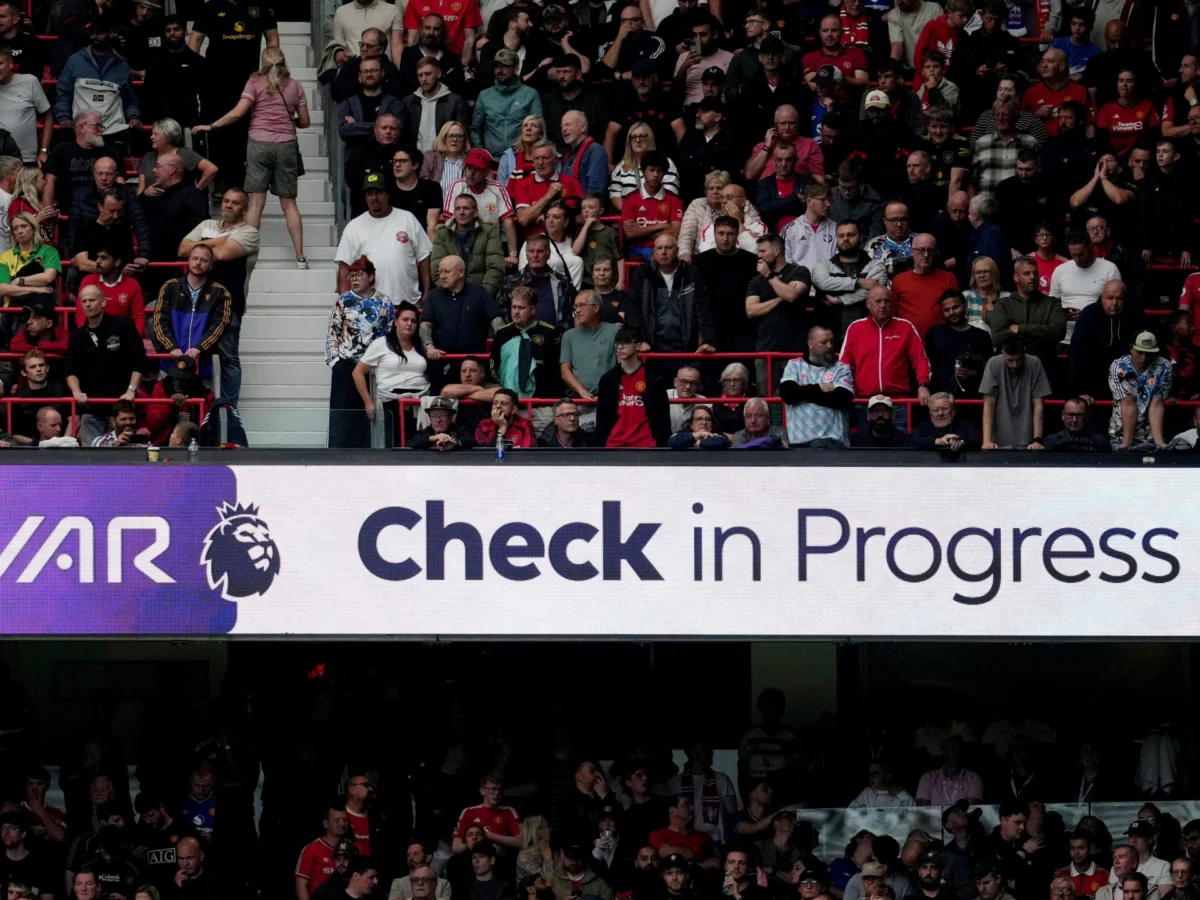
Al Jazeera reported that a VAR controversy involving Erling Haaland’s Manchester City goal against United has prompted renewed criticism of the Video Assistant Referee system. Players, fans, managers, and experts are calling for greater accountability and reduced reliance on VAR for crucial match decisions. The incident underscores ongoing tension between technology and human judgment in elite football.
KEY FACTS
- VAR controversy arose over a Manchester City goal by Erling Haaland against United, according to Al Jazeera.
- Players, fans, managers, and experts have called for more accountability in refereeing decisions.
- Critics are urging less reliance on VAR for crucial match calls.
- The incident reignited debate over how technology affects game outcomes in top-tier football.
THE STORY
What happens next?
The VAR controversy surrounding Erling Haaland’s goal in the Manchester derby has added momentum to a familiar conversation in football. Al Jazeera noted that players, fans, managers, and experts are demanding more accountability and less dependence on VAR for decisive moments. This call reflects widespread frustration with officiating decisions that can alter the outcome of high-stakes matches.
VAR was introduced to increase accuracy in refereeing, but it has also sparked debate over delays, inconsistency, and subjective interpretations. Supporters argue that crucial calls should be reviewed thoroughly, while others believe the process disrupts the flow and emotion of the game. The Haaland incident has become another example cited by those advocating for reform.
Referees and governing bodies face pressure to balance fairness with entertainment. Some propose limiting VAR to clear errors only, while others suggest abolishing it entirely. The Manchester derby controversy has once again placed the technology under intense public and professional scrutiny, raising questions about its future role in football.
How did we get here?
Video Assistant Referee technology was first adopted by FIFA in 2018 after years of testing and deliberation. Its purpose was to assist referees in correcting obvious mistakes related to goals, penalties, red cards, and mistaken identity. However, implementation has been uneven across leagues, with varying degrees of success and controversy.
In England, the Premier League introduced VAR in 2019, promising improved decision-making. Instead, it generated new forms of disagreement, particularly around offside rulings and handball interpretations. Each high-profile error fuels public outcry and demands for policy changes from clubs, analysts, and commentators.
The current debate reflects a broader tension in sports: the balance between perfection through technology and preserving the human element of competition. Football authorities continue to refine protocols, but incidents like the Haaland goal controversy remind everyone that no system is foolproof, and scrutiny remains constant.
WHAT WE KNOW — AND WHAT WE DON’T
Verified by the source:
- A VAR controversy occurred involving a Manchester City goal by Erling Haaland against United, per Al Jazeera.
- Players, fans, managers, and experts expressed calls for more accountability and less reliance on VAR.
Still unconfirmed:
- The specific nature of the VAR error or disallowed decision remains unclear.
- No official statement from the referee, FA, or Premier League has been cited.
- Exact timing of the incident and impact on match result are not detailed in the source.
WHY IT MATTERS
The VAR controversy involving Erling Haaland’s goal highlights the ongoing challenges facing modern football as technology intersects with tradition. For fans, disputed decisions can feel deeply unfair, especially in storied rivalries like the Manchester derby. As football continues to grow globally, ensuring credible and transparent officiating becomes essential for maintaining integrity.
WHAT TO WATCH
Further commentary from football authorities and potential rule adjustments may follow as debates around VAR reform intensify. Official responses from the refereeing body or league office could clarify whether any changes are being considered in light of this controversy.
This story was reported solely by Al Jazeera; additional verification from independent sources would strengthen these findings.