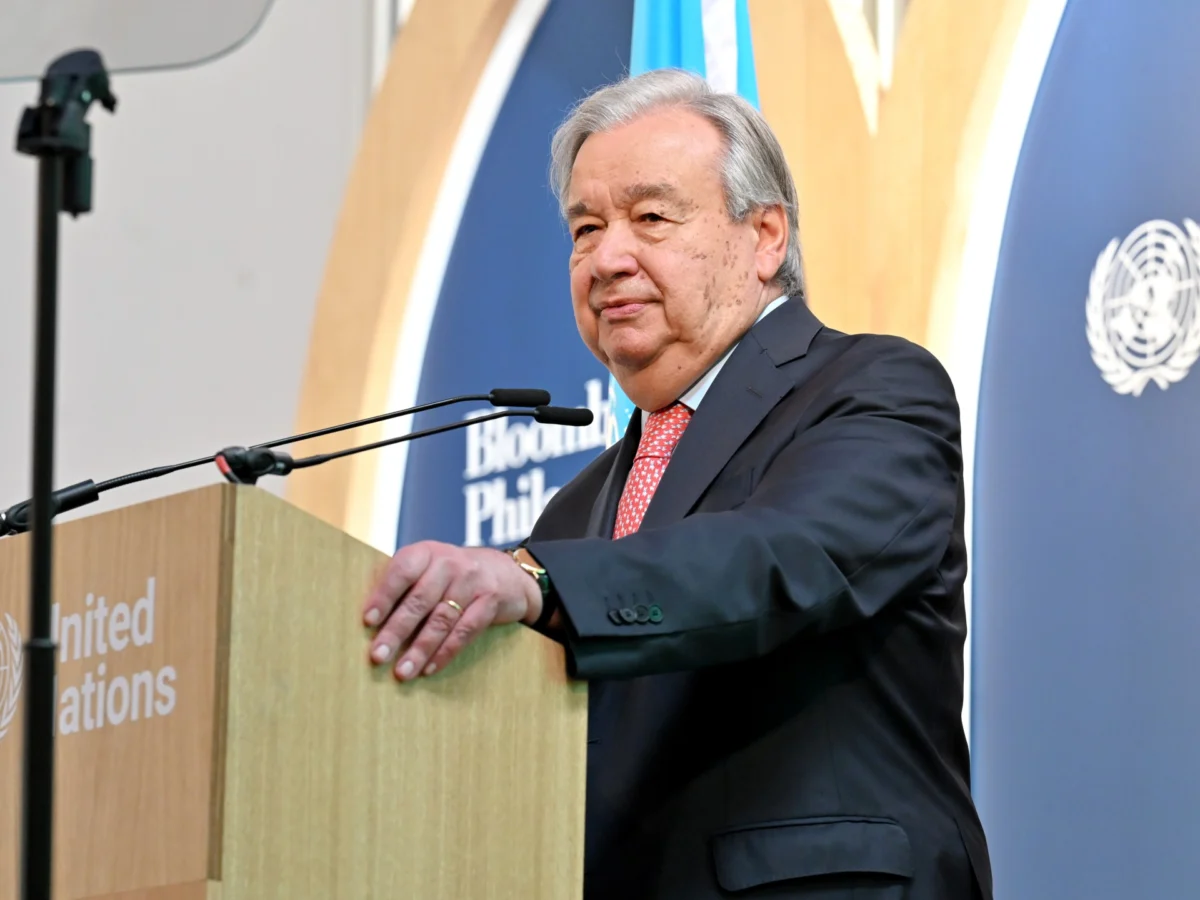
Guyana’s Rodrigues Birkett has taken a narrow lead in an informal poll among candidates vying to succeed António Guterres as the next UN Secretary-General. The early indication of support comes as the UN Security Council works toward consensus on a candidate before Guterres departs.
The informal poll is a preliminary step in the selection process, offering a snapshot of current support levels among Security Council members. While not binding, the results can shape the direction of discussions as diplomats seek a candidate with broad backing.
Key Facts
- Guyanese diplomat Rodrigues Birkett leads an informal UN Secretary-General selection poll.
- The poll is part of efforts to build consensus before António Guterres leaves office.
- The UN Security Council is responsible for recommending a candidate to the General Assembly.
How does the UN select its leader?
The UN Secretary-General is appointed through a multi-stage process involving the Security Council and General Assembly. The Security Council, particularly its five permanent members, holds significant influence in recommending a candidate. Informal polls like this one help gauge early support before formal nominations proceed.
What makes this race significant?
The selection of a UN Secretary-General occurs every five years, with the next term beginning in 2027. The process typically emphasizes regional rotation, with many expecting the next leader to come from Eastern Europe—the only UN regional group not yet represented in the position. However, strong candidates from other regions remain in contention.
What We Know — and What We Don’t
Verified by the source:
- Rodrigues Birkett currently leads in informal polling
- The UN Security Council is working toward consensus
Still unconfirmed:
- The margin of Birkett’s lead over other candidates
- Names of other contenders in the race
- Timeline for formal nominations and voting
Why It Matters
The UN Secretary-General serves as the organization’s chief administrative officer and global diplomat, influencing international responses to crises from conflicts to climate change. The selection process reflects geopolitical balances and priorities among member states.
What To Watch
Further informal polling and Security Council discussions will indicate whether Birkett maintains momentum or if other candidates emerge as consensus choices. The process typically intensifies in the months before the General Assembly vote.