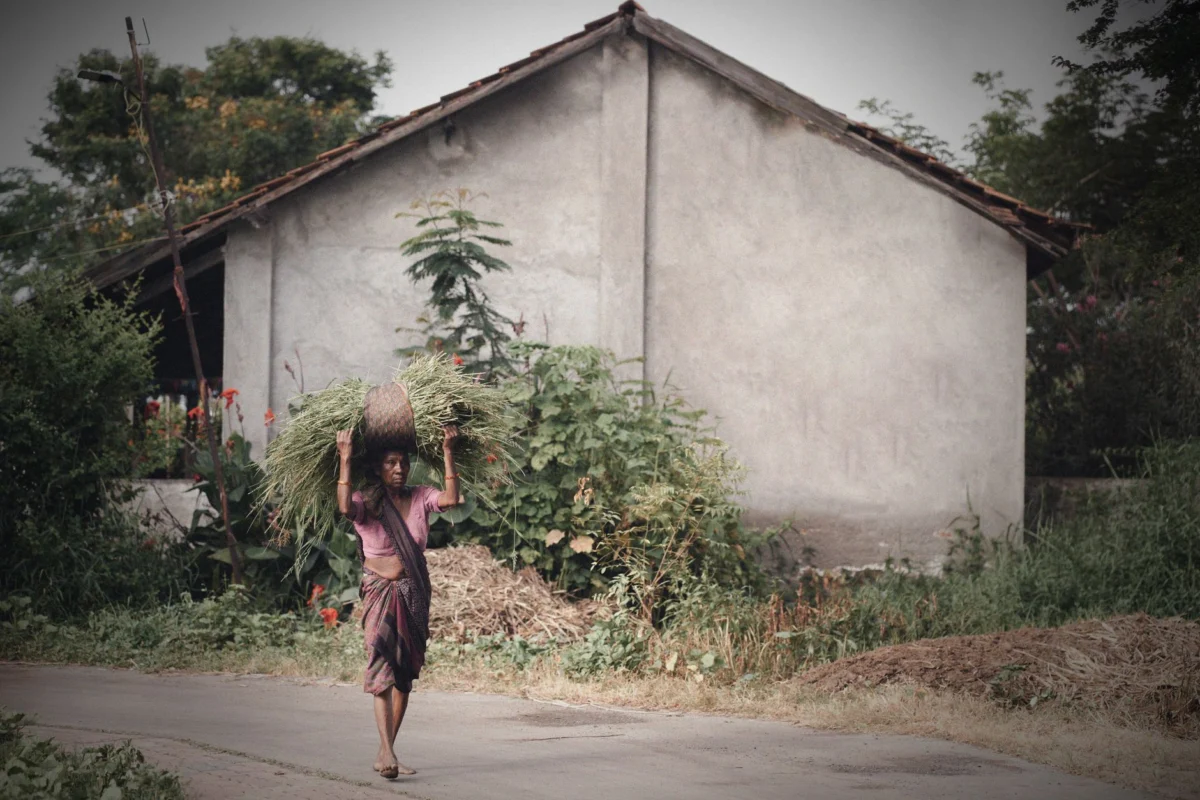
Gujarat’s rural development has lifted over 1.2 million people into secure jobs, built 850,000 new houses and connected 93 % of villages to safe sanitation since 2012.
The numbers come from a recent Indianmasterminds report that tracked state‑level data on employment, housing stock and toilet coverage between 2012 and 2024.
What the data show
Job creation topped 850,000 new positions in agriculture‑linked sectors, while the unemployment rate in rural districts fell from 8.9 % to 5.4 %.
Housing growth outpaced national averages: the state registered 70 % more new rural dwellings than the country’s overall rate, delivering 850,000 homes that meet the “Pucca” (permanent) standard.
Sanitation, long a stumbling block, reached 93 % coverage – a jump of 28 percentage points, according to the report.
Why does this matter?
When villages have jobs, roofs over heads and clean toilets, health outcomes improve, migration to overcrowded cities slows, and local economies begin to generate their own tax base.
For India’s 650 million‑plus rural population, Gujarat’s experience offers a replicable blueprint that could alleviate pressure on urban infrastructure and boost national GDP.
Who benefits and how?
Smallholder farmers, daily‑wage laborers and women‑run enterprises are the primary beneficiaries. Access to reliable housing reduces vulnerability to monsoon floods, while indoor toilets cut diarrheal disease rates, especially among children.
Local governments report a 12 % rise in revenue from property taxes, which they are reinvesting in schools and primary health centres.
What happens next?
The state plans to extend renewable‑energy micro‑grids to 1,200 more villages by 2028, linking the same communities that have just seen a surge in jobs, housing and sanitation.
If the momentum holds, Gujarat could become the first Indian state where rural poverty falls below the national average, setting a new standard for inclusive growth.
Read more about the intersection of rural policy and economic trends in our economy and markets coverage.