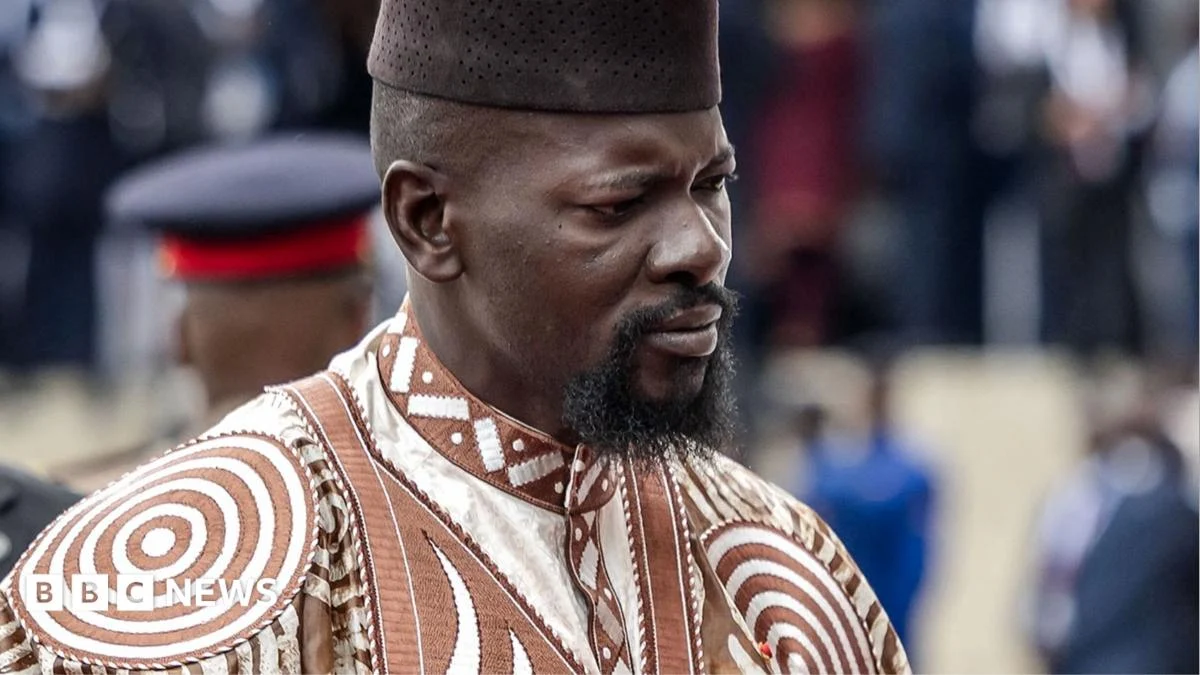
Guinea’s president has dismissed 173 soldiers, including an ally from a previous coup, for desertion. According to BBC News, the move is seen as part of efforts to consolidate control by the former coup leader, who now holds the presidency.
The dismissals mark a significant shift within the military ranks and underscore ongoing political maneuvering in the West African nation. The president, who came to power through a coup, has been working to stabilize his administration amid regional and international scrutiny.
Key Facts
- Guinea’s president dismissed 173 soldiers for desertion.
- One of the dismissed soldiers was an ally from a previous coup.
- The move is believed to consolidate the president’s control.
The Story
What prompted the dismissals?
The decision to dismiss 173 soldiers, including a key figure from the coup that brought the president to power, suggests an effort to tighten control over the military. Desertion was cited as the official reason, but the broader political implications are hard to ignore.
Guinea has experienced political instability for years, with multiple coups and transitional governments. The current president, a former coup leader, has been working to legitimize his rule while managing internal dissent.
Who is affected by this move?
The dismissals target a wide swath of the military, including individuals who previously supported the president’s rise to power. This could signal a purge of potential rivals or a restructuring to align the military more closely with his leadership.
The long-term impact on military morale and loyalty remains uncertain, particularly given Guinea’s history of military involvement in politics.
What We Know — and What We Don’t
- Verified by the source: The president dismissed 173 soldiers for desertion. At least one was a former coup ally.
- Still unconfirmed: The exact motives behind the dismissals. Whether this will lead to further military reshuffles.
Why It Matters
Guinea’s stability has broader implications for West Africa, where military coups and political instability have been recurring challenges. The president’s efforts to consolidate power could either stabilize the nation or provoke further unrest, depending on how the military and public respond.
What To Watch
Observers will be monitoring for reactions within Guinea’s military and any signs of further purges or unrest. International responses, particularly from regional bodies like ECOWAS, could also influence the situation.