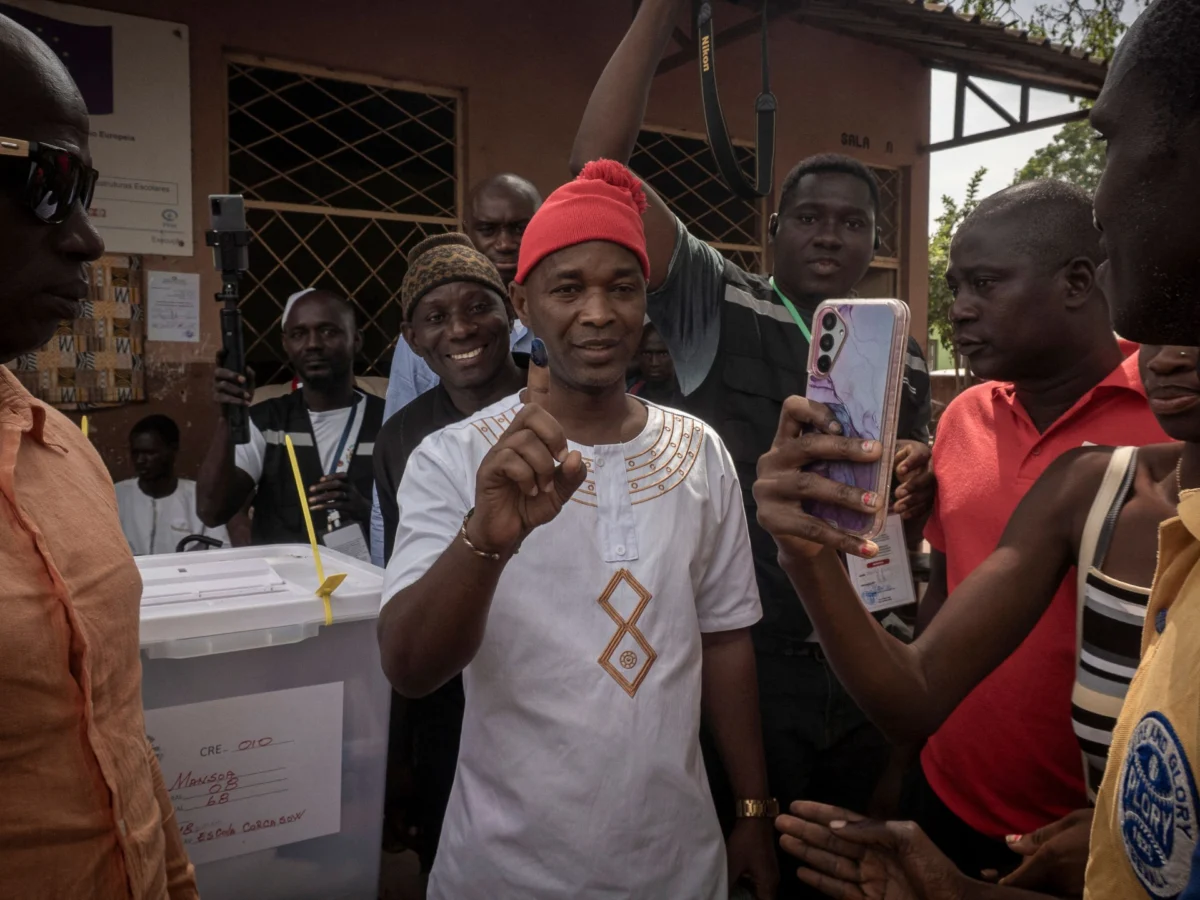
Guinea-Bissau is voting on a constitutional amendment that would increase the power of the president and change how parliament and elections function, according to Al Jazeera. The proposed changes could significantly alter the political landscape in the West African nation.
The move comes amid broader discussions about executive power and governance structures in the region. While the specifics of the proposed changes are not detailed in the source, similar constitutional revisions in other countries have often centralized authority in the executive branch.
KEY FACTS
- Guinea-Bissau is holding a vote on constitutional changes
- The changes would give the president more power
- The proposal would reshape parliament and elections
WHAT THE PROPOSAL COULD CHANGE
The constitutional amendments under consideration would shift power toward the presidency, though the exact mechanisms aren’t specified in the source. Typically, such changes might involve greater appointment powers, expanded veto authority, or changes to term limits. The proposal also includes modifications to parliamentary structure and electoral processes, which could affect how representatives are chosen and how laws are made.
While the source doesn’t provide details about current governmental structures, Guinea-Bissau historically has had a semi-presidential system where power is shared between the president and prime minister. Significant changes to this arrangement could have far-reaching consequences for governance.
WHY NOW? CONTEXT FOR THE VOTE
Constitutional changes often follow periods of political instability or shifts in leadership priorities. The source doesn’t specify what prompted this particular proposal, but Guinea-Bissau has experienced numerous political crises since gaining independence. The country’s recent history includes multiple coups and attempted coups, with the military playing an influential role in politics.
Voters are being asked to weigh in on these changes during a single vote, though the source doesn’t indicate whether the amendments are being considered as a package or individually. The outcome could determine whether power becomes more concentrated in the executive branch or maintains current distributions.
WHAT WE KNOW — AND WHAT WE DON’T
Verified by the source:
- Guinea-Bissau is voting on constitutional changes
- The changes would increase presidential power
- The proposal affects parliament and elections
Still unconfirmed:
- Specific details about the proposed changes
- Who proposed the amendments and their rationale
- How the changes would specifically affect governance
WHY IT MATTERS
Constitutional changes in any country can have long-lasting effects on democracy and governance. Shifting power toward the presidency could make decision-making more efficient but might also reduce checks and balances. For Guinea-Bissau, a nation with a history of political instability, these changes could either stabilize or further unsettle the government.
WHAT TO WATCH
The immediate focus will be on the vote’s outcome and subsequent implementation of any approved changes. Observers will monitor whether the modifications lead to more stable governance or trigger new political tensions in this historically volatile nation.