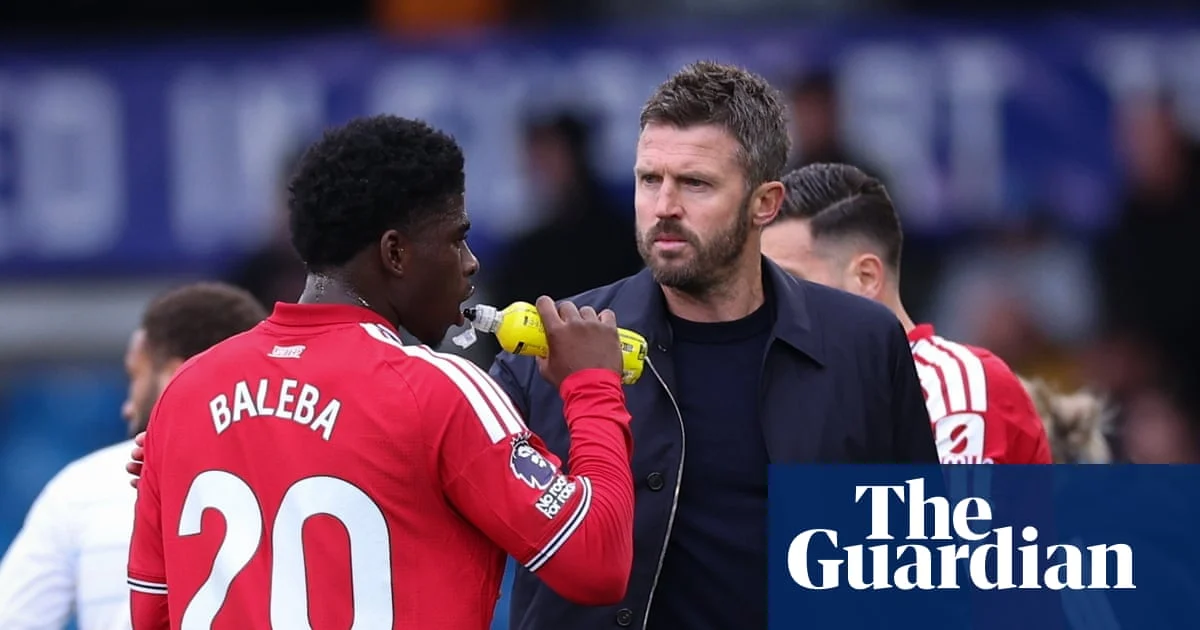
Manchester United’s decision to dismiss head coach Michael Carrick reflects symptoms of a broader institutional dysfunction, not the root cause of the club’s problems, according to an opinion piece in Football | The Guardian. The article suggests that replacing managers repeatedly has failed to resolve underlying issues within the organization.
Written by Barney Ronay, the analysis focuses on the role of chief executive Omar Berrada, who is described as having hired and fired multiple managers. The piece argues that real reform requires addressing structural decisions made at the executive level rather than shifting blame onto coaching staff alone.
The article critiques the leadership structure at Manchester United, highlighting how executives operate without facing significant consequences for poor performance. Ronay implies that meaningful change may require rethinking accountability mechanisms within the club’s hierarchy.
Key Facts
- Michael Carrick left his role as head coach of Manchester United.
- Omar Berrada is identified as the club’s chief executive.
- The article claims Berrada hired and fired previous managers.
- Ronay argues firing coaches does not fix deeper organizational issues.
- The Guardian published the commentary under the Sports section.
The Story So Far
Why This Matters For Club Culture
Manchester United has cycled through several managers in recent years, raising questions about consistency and vision at the top. Critics argue that constant turnover creates instability that affects player morale and development.
Berrada joined Manchester United after working at Manchester City, bringing commercial expertise but limited experience in football operations. His background in revenue generation contrasts with the operational challenges facing the club today.
Ronay suggests that focusing solely on the head coach distracts from evaluating whether current leadership possesses adequate knowledge of sports management. He calls for introspection regarding how appointments are made and reviewed internally.
How Did We Get Here?
Under Berrada’s tenure so far, Manchester United has continued to underperform relative to expectations set during earlier successful periods. Fan sentiment reflects frustration over perceived mismanagement across departments including recruitment, strategy, and communication.
The author notes that Berrada appears insulated from consequences despite repeated failures in selecting effective managers. This dynamic reinforces concerns about transparency and oversight within the organization’s governance framework.
Rather than advocating for another coaching change, Ronay proposes examining decision-making processes involving those responsible for appointments. Such reflection could reveal patterns contributing to persistent underachievement both on and off the pitch.
What We Know — and What We Don’t
Verified by the source:
- Manchester United appointed Omar Berrada as chief executive.
- Michael Carrick departed his position as head coach.
- Berrada previously worked at Manchester City before joining Manchester United.
- Ronay wrote an opinion article discussing these topics in Football | The Guardian.
- The article argues systemic problems exist beyond individual coaches.
Still unconfirmed:
- No official statement from Manchester United confirming reasons behind Carrick’s departure.
- It remains unclear what specific actions Berrada took regarding past manager selections.
- There is no independent confirmation of the claims made by the columnist.
- Details about future plans or reforms were not provided in the summary text.
Why It Matters
This debate reflects wider tensions between traditional sporting values and modern business practices shaping elite European football clubs. How organizations respond to setbacks often determines long-term success more than short-term results themselves.
What To Watch
Fans await further clarity from Manchester United officials on potential changes following recent developments. Updates may emerge through press releases or scheduled announcements in coming weeks.