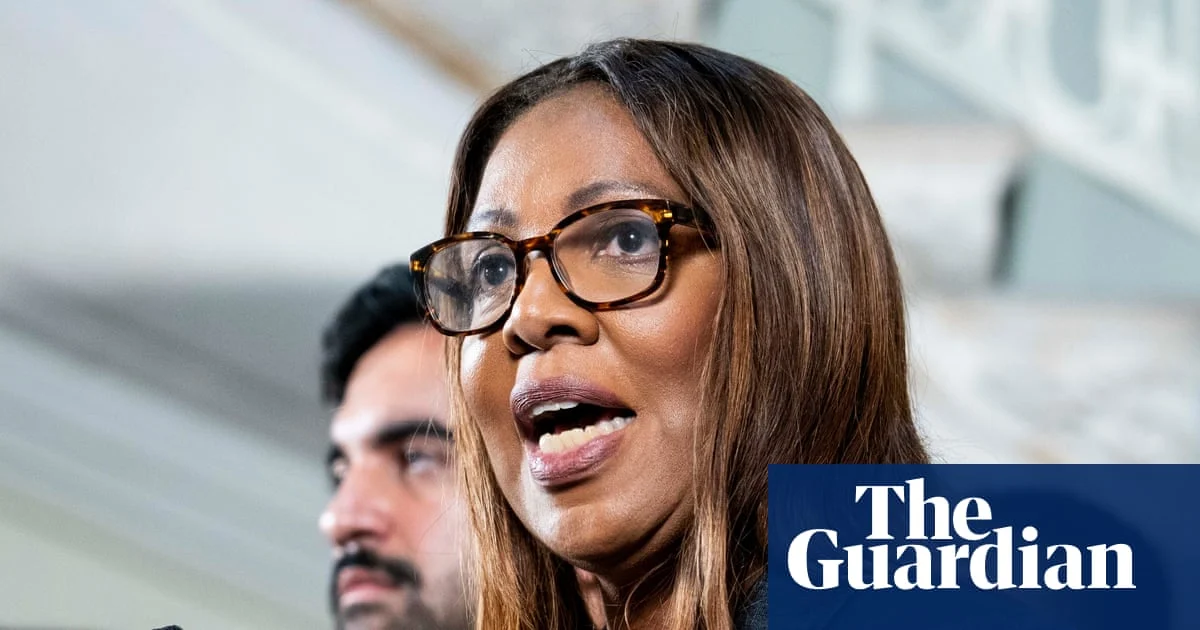
New York’s governor has appointed the state’s attorney general as a special prosecutor to investigate an alleged gang rape at Cornell University, following recent questions about the university’s own 2024 investigation. The move comes amid public scrutiny of how the case was initially handled.
Governor Kathy Hochul announced the appointment of Letitia James on Thursday, stating the investigation requires independence and rigor. The case centers on an allegation of sexual assault involving multiple individuals at Cornell University, a private Ivy League institution in Ithaca, New York.
KEY FACTS
- Hochul appointed Letitia James as special prosecutor in the Cornell case.
- The investigation concerns an alleged gang rape at Cornell University.
- The decision follows questions raised about Cornell’s 2024 internal investigation.
- Hochul emphasized the need for an independent and thorough review.
Why a New Investigation?
Governor Hochul framed the decision as necessary to restore public confidence in the integrity of the investigative process. She argued that the prior handling of the case by university officials had prompted concerns about potential bias or incomplete inquiry. By appointing the attorney general — a state-level official with prosecutorial authority — the administration signaled its intent to ensure the matter would be reviewed outside of the university’s internal systems.
The use of a special prosecutor typically indicates an effort to avoid conflicts of interest or perceived institutional protection. In this case, it suggests that the state views the initial university investigation as insufficiently impartial or conclusive. This step often follows high-profile cases where trust in local or campus-based processes has eroded.
What Happens Next?
With Letitia James now serving as special prosecutor, the case transitions from a university-led matter to a formal criminal investigation under New York State law. The attorney general’s office will have full authority to gather evidence, interview witnesses, and determine whether criminal charges are warranted. This includes access to any records or materials previously compiled during Cornell’s internal review.
Unlike internal university proceedings, which focus on disciplinary outcomes, the special prosecutor’s mandate is to pursue criminal justice remedies if the evidence supports it. The investigation remains ongoing, and no charges have been publicly announced at this stage.
Who Is Affected?
The alleged victim at the center of the case is the focal point of the renewed investigation. Advocates note that survivors of sexual violence often face retraumatization during lengthy legal processes, particularly when prior inquiries have failed to deliver clarity.
Cornell University and its leadership may also face continued scrutiny regarding their initial response. The broader student body and community at the university are likely to remain affected by the emotional and reputational stakes of the case.
WHAT WE KNOW — AND WHAT WE DON’T
Verified by the source:
- Governor Kathy Hochul appointed Letitia James as special prosecutor.
- The case involves an alleged gang rape at Cornell University.
- The appointment follows questions raised about Cornell’s 2024 investigation.
Still unconfirmed:
- The identities or status of any individuals involved beyond the survivor.
- The specific findings or conclusions of Cornell’s original 2024 investigation.
- Whether any criminal charges will ultimately be filed.
- The timeline or scope of the new special prosecutor investigation.
WHY IT MATTERS
How institutions respond to allegations of sexual violence has profound implications for public trust, survivor access to justice, and ongoing efforts to hold powerful organizations accountable. High-profile cases like this test whether alternative investigative pathways — such as special prosecutors — can effectively address gaps when internal reviews fall short.
WHAT TO WATCH
Observers will watch for updates from the attorney general’s office regarding the progress or outcome of the investigation. Additional commentary from university officials or lawmakers may also shape the public discourse around campus safety and accountability.