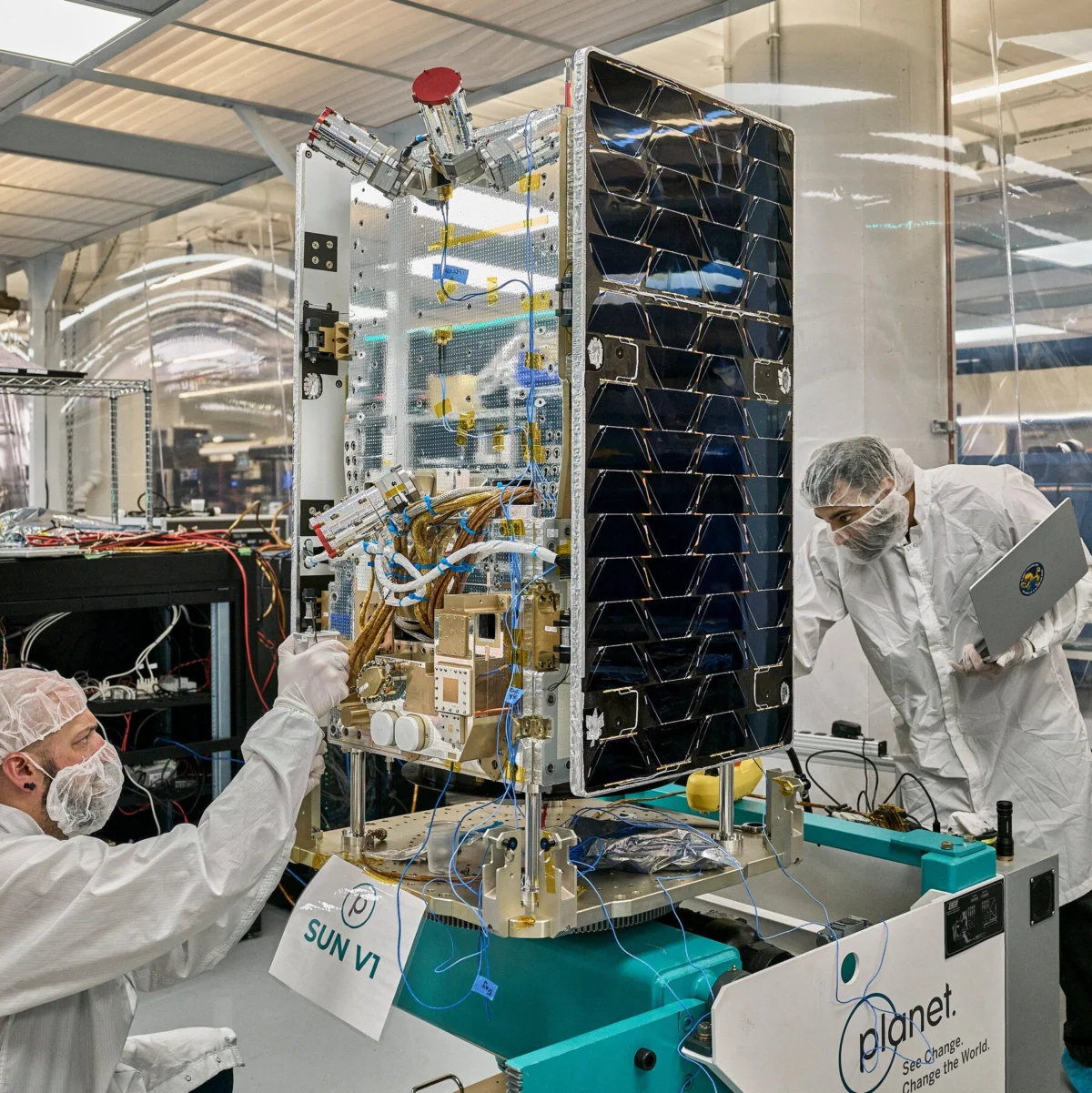
Google is preparing to launch a satellite that can run its AI technologies from the heavens, according to reporting tracked by NYT > Top Stories. This effort represents a first step toward a larger vision of putting data centers in space, where orbital platforms could host computing infrastructure beyond Earth’s surface.
The satellite project signals growing interest among tech companies in extending cloud and artificial intelligence workloads beyond terrestrial boundaries. While the immediate launch focuses on validating AI operations in space, the long-term goal appears to be establishing scalable computing stations outside the atmosphere.
KEY FACTS
- Google is preparing to launch a satellite capable of running AI technologies.
- The satellite will operate from orbit, described as running AI “from the heavens.”
- The launch is characterized as “a first step” toward building data centers in space.
- The New York Times is cited as the original reporting source.
THE STORY
What are data centers in space?
Data centers in space would be orbital facilities equipped with servers, storage systems, and networking hardware used to process and store digital information. Unlike Earth-bound data centers, these platforms could theoretically leverage the vacuum of space, abundant solar energy, and reduced thermal constraints to operate large-scale computing tasks such as machine learning and AI inference.
Placing such infrastructure in orbit is not new in concept, but practical implementation remains limited. Previous proposals have explored using retired rockets, modular spacecraft, or dedicated orbital platforms. Google’s reported satellite effort suggests momentum is building around the idea that future AI compute may extend beyond ground-based facilities.
For now, the company’s focus is on a single satellite designed to test whether AI technologies can function effectively in orbit. Success could pave the way for more complex and larger-scale deployments of data centers in space, potentially reshaping how cloud services and AI models are delivered globally.
What happens next?
If the satellite launches successfully, it would mark the beginning of an experimental phase for space-based AI operations. Companies like Google, Microsoft, Amazon, and others have expressed interest in orbital computing, though few have moved beyond theoretical plans or small-scale experiments.
Experts caution that significant technical hurdles remain, including latency, radiation exposure, power management, and the high cost of launching hardware into orbit. Regulatory approval and international coordination would also be required for widespread deployment.
Nevertheless, proponents argue that space-based data centers could offer unique advantages, such as uninterrupted solar power and immunity to terrestrial disruptions like natural disasters or conflicts. These benefits may become more relevant as AI demands grow and strain existing ground infrastructure.
The outcome of Google’s reported satellite mission will likely influence investment decisions and policy discussions around orbital computing. Whether this initiative leads to a new industry or remains experimental depends heavily on performance, cost-efficiency, and broader market adoption of space-based services.
WHAT WE KNOW — AND WHAT WE DON’T
Verified by the source:
- Google is preparing to launch a satellite capable of running AI technologies.
- The satellite is intended to operate from orbit, described as running AI “from the heavens.”
- The mission is described as “a first step” toward placing data centers in space.
- The New York Times reported the story under its Top Stories section.
Still unconfirmed:
- No launch date or timeline has been disclosed.
- Specific technical capabilities or AI frameworks to be tested are unspecified.
- Details about the satellite’s size, builder, or orbital destination remain unknown.
- It is unclear whether this project is part of a broader corporate space initiative.
WHY IT MATTERS
The push toward data centers in space reflects a growing belief that the future of high-performance computing — especially AI — may extend beyond Earth. As demand for computational power increases and land-based infrastructure faces physical and regulatory limits, orbital platforms could offer new possibilities. However, the practical challenges are immense, making early experiments like Google’s satellite crucial tests of feasibility.
WHAT TO WATCH
Future announcements from Google or partner organizations may clarify whether this satellite leads to repeated missions or expanded orbital infrastructure. For now, no follow-up timeline or funding details have been confirmed by the source.
“