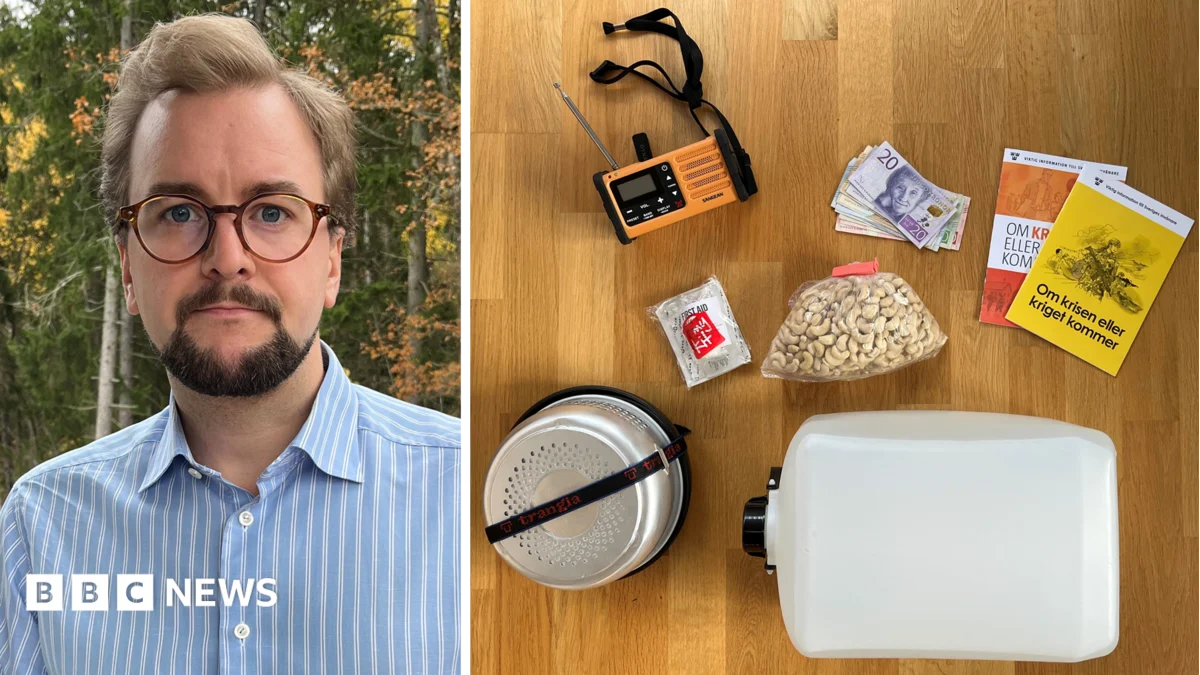
Some individuals across the US, Japan, Sweden, and the Netherlands are quietly building emergency supplies, reflecting a growing global trend of self-reliance amid rising uncertainty. A BBC News report highlights how everyday items—from water filter straws to collapsible toilets—are becoming common additions to household emergency prep kits.
The movement reflects a blend of practical preparedness and anxiety over potential disruptions—whether from natural disasters, economic instability, or geopolitical tensions. While some approach emergency preparation as a responsible act of planning, others describe it as a response to mounting fears about future crises.
Key Facts
- People in the US, Japan, Sweden, and Netherlands are preparing emergency stashes.
- Items include filter straws and disposable toilets, according to BBC News.
- Preparations reflect both practical planning and wider crisis concerns.
- The focus is on personal readiness amid global instability.
Who Is Preparing and Why
Across several countries—including the United States, Japan, Sweden, and the Netherlands—individuals are assembling emergency stashes filled with practical items such as water filter straws and disposable toilets. These efforts are being interpreted as part of a broader shift toward personal emergency preparation, driven by concerns ranging from natural disasters to economic volatility and geopolitical tensions.
While motivations vary, the underlying theme is self-reliance. Some view emergency preparation as a responsible step to ensure family safety during unforeseen events, while others admit their actions stem from rising anxiety about global instability. The BBC report does not specify exact numbers or regions within these countries, but the presence of such behavior across diverse nations suggests it is more than isolated.
How Did This Trend Emerge
The practice of emergency preparation is not new, but recent years have seen renewed interest. Governments in countries like Sweden and the Netherlands have historically encouraged citizens to maintain emergency supplies, while events such as pandemics, climate-related disasters, and international conflicts have prompted others to follow suit.
Social media and online communities have also played a role. Platforms filled with tips on survival gear and disaster readiness have normalized emergency preparation, especially among younger demographics who may have come of age during periods of heightened global uncertainty.
What Happens Next
As global uncertainties persist, experts suggest that individual emergency preparation may continue to grow. Whether driven by practical caution or deeper fears about societal breakdown, the act of stockpiling essentials is likely to remain relevant. However, much depends on evolving conditions—economic shifts, political developments, and environmental changes could influence how and why people choose to prepare.
What We Know — and What We Don’t
Verified by the source:
- People in the US, Japan, Sweden, and Netherlands are creating emergency stashes.
- Items like filter straws and disposable toilets are part of these stashes.
- The behavior is linked to crisis-related concerns.
Still unconfirmed:
- No specific numbers or statistics about how widespread the trend is.
- No named individuals or detailed personal stories included.
- No official surveys or studies cited in the source.
Emergency preparation spans multiple countries and reflects public unease about global instability. As more people adopt these practices, understanding their implications becomes essential.
Governments and institutions may need to consider how to support or respond to such grassroots efforts, especially if they signal deeper societal concerns. Monitoring this trend could offer insight into how communities adapt to long-term uncertainty.
Why It Matters
This trend underscores how ordinary people are adapting to a world marked by overlapping crises—from climate shocks to geopolitical strife. Personal emergency preparation reveals both resilience and anxiety, signaling a growing public awareness of systemic vulnerabilities that institutions alone may not fully address.
What To Watch
Future developments in global stability, economic conditions, and climate events will likely shape whether emergency preparation becomes more mainstream or fades as concerns subside.
Emergency preparation is gaining traction worldwide as people respond to rising uncertainty, with practical gear like filter straws and disposable toilets becoming symbols of personal readiness.