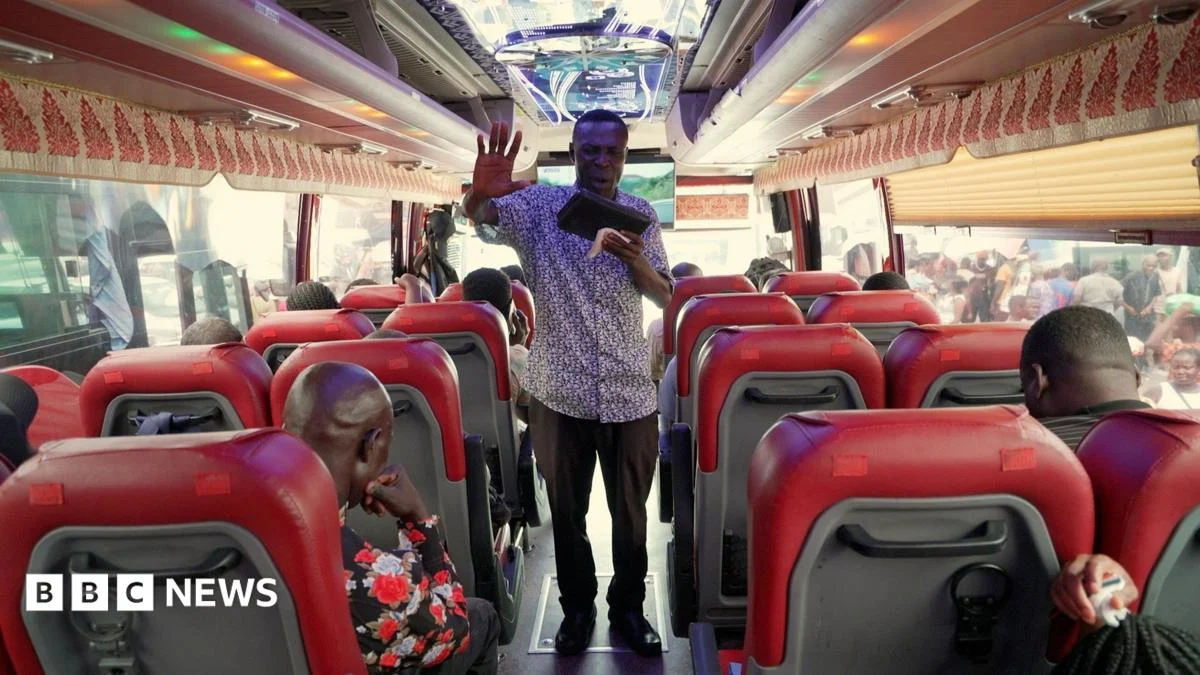
Ghana, a majority-Christian nation, may soon see reduced preaching activity on its public buses as potential regulations loom over the widespread religious practice.
Preaching on public transport has long been a common feature across Ghana, with numerous passengers regularly sharing Christian messages during commutes. However, recent discussions suggest that authorities might introduce rules restricting or regulating these activities, raising questions about religious freedom and public conduct on shared transportation.
KEY FACTS
- Ghana is a predominantly Christian country.
- Preaching on public transport is widespread in Ghana.
- There may be upcoming restrictions on preaching on buses.
What happens next?
Potential regulations could reshape how religious messages are shared on public buses, though specific timelines or policy details remain unclear. The situation reflects broader debates around religious expression and public space in Ghana.
Ghana’s transport systems have historically served as informal platforms for religious outreach, with preachers often moving through buses to share messages or collect offerings. This practice, while common, has also sparked occasional complaints from passengers and transit operators regarding noise or disruption.
Who is affected?
Religious groups who rely on bus-based preaching, daily commuters who encounter these activities, and transport authorities who oversee passenger conduct may all be impacted by new rules. The outcome could influence how faith communities engage with public life in Ghana.
The cultural and spiritual role of bus preaching in Ghanaian society extends beyond individual faith, often serving as a form of community building among travelers. As regulatory discussions continue, attention will likely turn to balancing religious freedom with public order and passenger comfort.
How did we get here?
Preaching on public transport has become deeply embedded in Ghana’s transit culture, reflecting the country’s strong Christian presence. Growing urbanization and increased use of shared taxis and buses have amplified these interactions, making them a visible part of everyday travel.
Concerns about conduct on public transport have periodically prompted official responses, though major reforms have been rare. Any new restrictions would represent a notable shift in how religious expression is managed in shared public spaces.
What We Know — and What We Don’t
Verified by the source:
- Ghana has a predominantly Christian population.
- Preaching on public transport is a widespread practice in Ghana.
- There is a possibility that preaching on buses may be restricted in the future.
Still unconfirmed:
- No specific laws or proposals have been cited by name.
- No timeline or official announcement regarding restrictions has been reported.
- Details about who is considering the restrictions remain unclear.
Why it matters
Religious expression on public transport intersects with freedom of movement and cultural norms, making it relevant to anyone traveling in Ghana or studying religion in public life.
What to watchUpdates on whether any formal policy or proposal emerges to restrict preaching on buses.
Ghana may decide to rein in one of its most visible forms of public religious expression as discussions about transport conduct evolve.