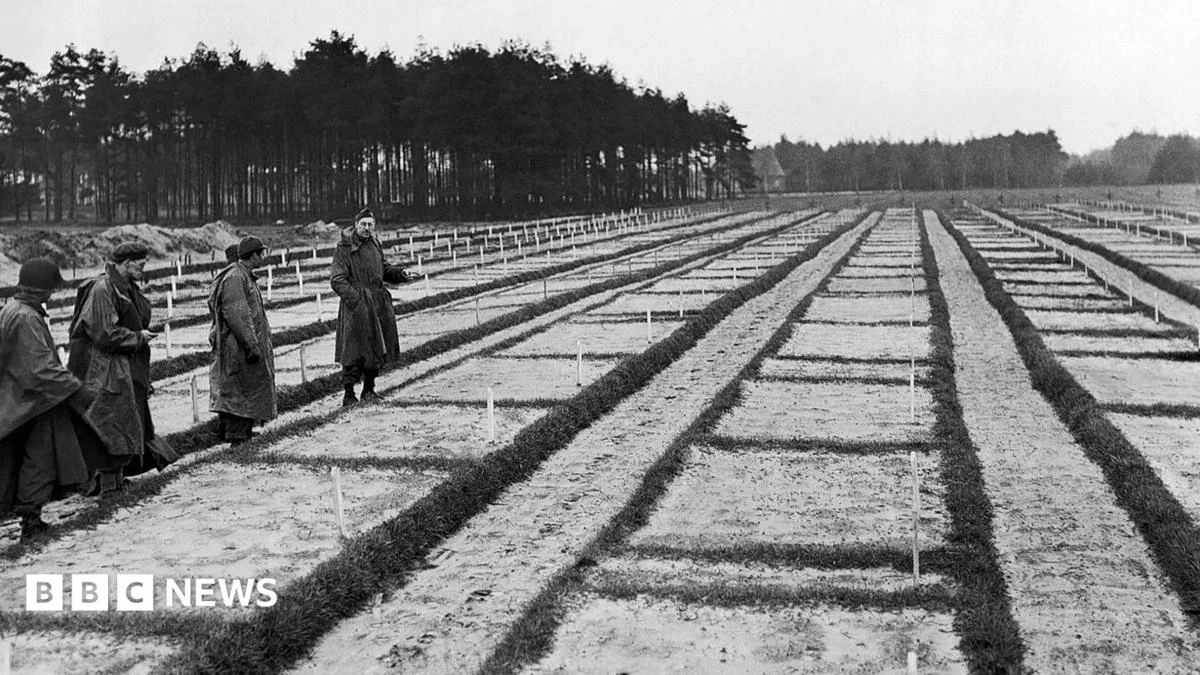
German prosecutors have opened an investigation into a 105-year-old suspect accused of having served as an accessory to murder at a Nazi prisoner-of-war (PoW) camp during World War II. The investigation centers on alleged involvement at Stalag 326, a camp where tens of thousands of Soviet prisoners of war died.
The probe underscores ongoing efforts by German authorities to pursue legal action against aging suspects linked to Nazi-era crimes, even decades after the war. Such cases rely heavily on historical documentation and witness accounts, given the passage of time.
Key Facts
- German prosecutors are investigating a 105-year-old suspect.
- The suspect is accused of being an accessory to murder.
- The alleged crimes occurred at Stalag 326, a Nazi prisoner-of-war camp.
- Tens of thousands of Soviet PoWs are reported to have died at the camp.
The Allegations and Historical Context
According to BBC News, the suspect under investigation is alleged to have been an accessory to murder at Stalag 326, a German-run prisoner-of-war camp during the Nazi era. Soviet prisoners of war were held under harsh conditions in these camps, and historical records indicate that many perished due to forced labor, malnutrition, exposure, and disease.
Stalag 326 was one of several camps operated by the German military where captured Soviet forces were detained. These camps were notorious for their high mortality rates, which historians attribute to deliberate neglect and brutal treatment sanctioned by the Nazi regime. The investigation into the 105-year-old suspect suggests that prosecutors are combing through archival materials to identify potential perpetrators or collaborators who may have played supporting roles in these deaths.
What Happens Next?
While the identity of the suspect has not been publicly disclosed, German law permits prosecution of Nazi-related crimes regardless of the suspect’s age, provided they are deemed mentally fit to stand trial. Legal experts note that cases involving elderly defendants pose unique challenges, particularly in gathering credible evidence after so many years.
If formal charges are filed, the suspect would be required to appear in court, though special accommodations are often made for older individuals. Investigations at this stage typically involve reviewing military archives, survivor testimonies, and personnel records from the period. However, many witnesses and documentation have been lost over time, complicating efforts to build strong legal cases.
Why It Matters
This investigation reflects Germany’s continued commitment to holding individuals accountable for historical atrocities, regardless of how much time has passed. It also highlights the broader ethical and legal challenges faced by societies attempting to reckon with past injustices long after the events occurred.
What We Know — and What We Don’t
Verified by the source:
- A 105-year-old person is under investigation by German prosecutors.
- The suspect is accused of being an accessory to murder at Stalag 326.
- Soviet prisoners of war were held at Stalag 326, where many died.
Still unconfirmed:
- The specific role or function the suspect allegedly performed at the camp.
- Exact number of deaths attributed to the camp during the war.
- Whether sufficient evidence exists to support formal charges.
- Timeline for any potential trial or legal proceedings.
What To Watch
The investigation remains ongoing, and authorities have yet to confirm whether formal charges will be filed. Updates may emerge as prosecutors continue reviewing evidence and historical records.
Meanwhile, advocacy groups and historians continue to call for transparency in tracking down remaining suspects and preserving documentation related to Nazi-era crimes.