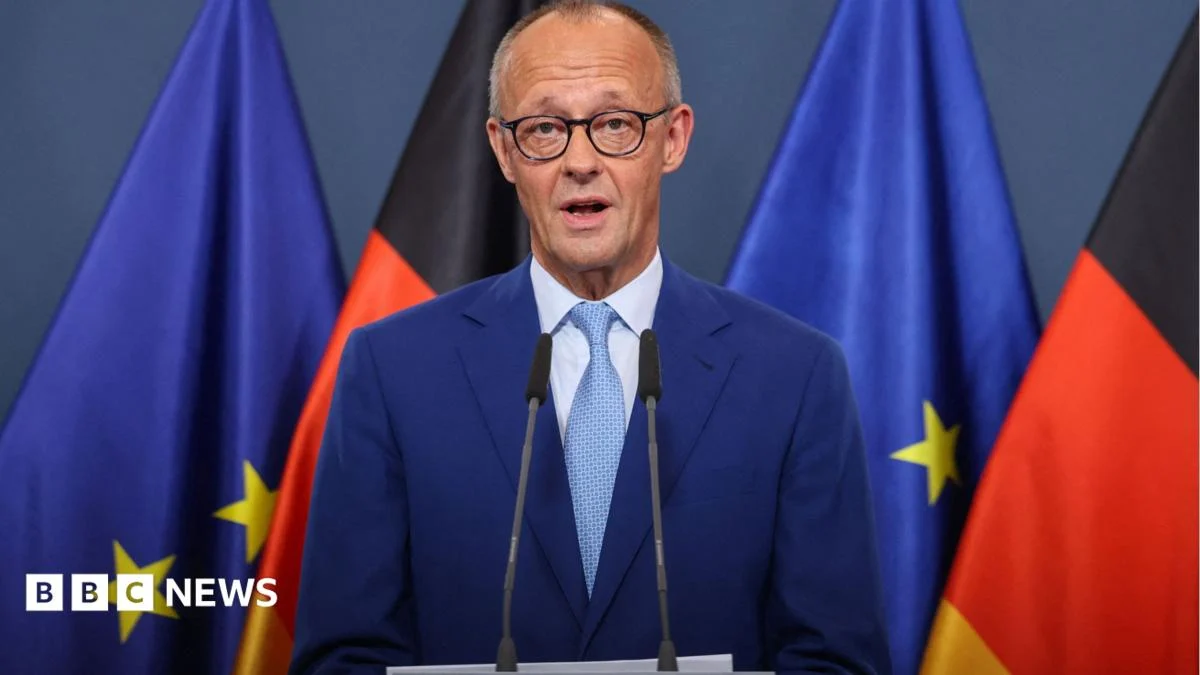
German Chancellor Friedrich Merz described recent state election losses as a “disaster” for his centre-right CDU party, yet affirmed his intention to remain in office despite growing pressure over the results.
Exit polling in both Berlin and Mecklenburg-Vorpommern indicated significant declines for the Christian Democratic Union, raising questions about Merz’s leadership ahead of next year’s federal vote.
KEY FACTS
- German Chancellor Friedrich Merz called state election losses a “disaster” for his CDU party.
- Merz vowed to stay on as chancellor despite the setbacks.
- Exit polls show damaging losses for the CDU in Berlin and Mecklenburg-Vorpommern.
The Fallout From State Election Losses
Initial projections suggest the CDU failed to maintain its traditional support base in key urban and rural constituencies, reflecting broader dissatisfaction among voters.
Political analysts note that declining poll numbers often signal voter frustration with economic conditions, immigration policy, or perceived missteps in governance.
These results may influence campaign strategies as parties prepare for upcoming elections, including the federal contest scheduled for 2025.
What Happens Next?
Party leaders typically conduct internal reviews after major electoral setbacks, assessing messaging effectiveness and identifying vulnerabilities within their platform.
Merz’s continued tenure could face scrutiny if opposition parties gain momentum or if further polling shows sustained erosion in public confidence.
Meanwhile, coalition discussions at the federal level might intensify depending on how regional outcomes ripple into national dynamics.
What We Know — and What We Don’t
Verified by the source:
- Merz referred to the outcome as a “disaster” for his party.
- He committed publicly to remaining chancellor.
- Exit polls confirmed losses in Berlin and Mecklenburg-Vorpommern.
Still unconfirmed:
- No official seat counts or final vote tallies released.
- Specific policy factors driving voter shifts remain unstated.
- Impact on future coalition negotiations or leadership challenges is unknown.
Why It Matters
Electoral performance in subnational contests often serves as a bellwether for national trends, especially when governing coalitions struggle to address pressing domestic concerns like inflation, energy costs, or security priorities.
A strong showing by opposition forces can recalibrate expectations ahead of larger political milestones, affecting everything from budget debates to foreign policy postures. Read more on geopolitics here.
What To Watch
Official vote results and detailed breakdowns will clarify whether these trends persist beyond initial exit polling, potentially shaping internal CDU deliberations and broader strategic recalibrations across German politics. Explore related updates via our politics archive.