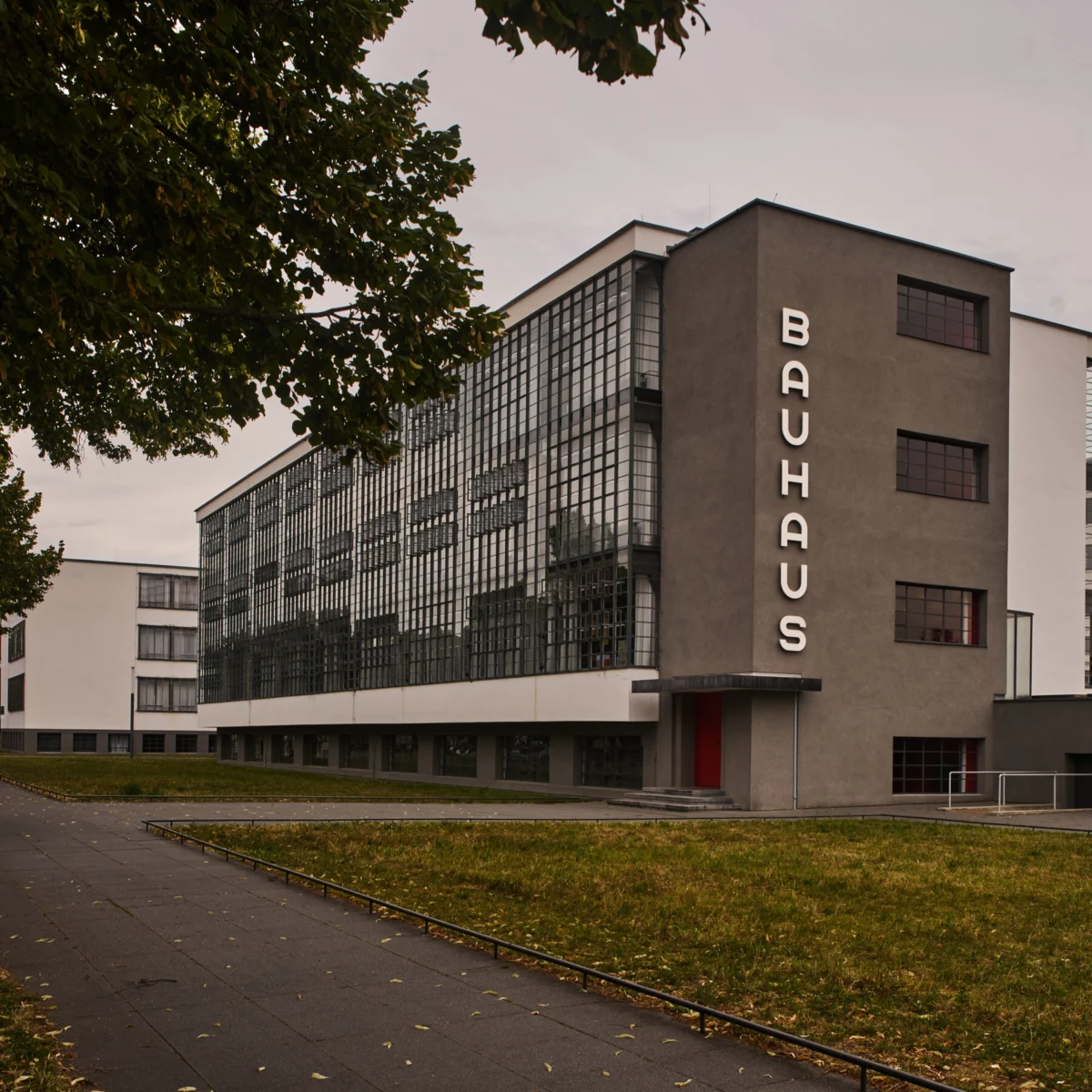
Lede
German art institutions are preparing for potential conflicts as the Alternative for Germany (AfD) party moves closer to gaining control of a state government for the first time. The party’s emphasis on ‘patriotic’ art has sparked concerns among cultural leaders and commentators, who note historical parallels with Nazi-era cultural policies.
This development reflects broader tensions between progressive cultural institutions and rising nationalist sentiment across Europe. As the AfD gains traction, questions arise about how its vision for culture might reshape public funding and artistic expression.
KEY FACTS
- The Alternative for Germany party seeks to control a state government for the first time.
- The party promotes ‘patriotic’ art, drawing comparisons with Nazi-era policies.
- German art institutions are preparing for potential changes under far-right influence.
THE STORY
What happens next?
If the AfD secures control of a state government, it could begin influencing cultural policies within that region. State-level governments in Germany have significant authority over education, media, and arts funding, meaning a shift toward nationalist priorities could directly impact museums, theaters, and academic programs. Cultural institutions may face pressure to align exhibitions and programming with patriotic themes preferred by the party.
Art historians and curators have expressed concern that such shifts could mirror pre-Nazi cultural purges. The Nazi regime used state mechanisms to promote so-called ‘heroic’ German art while suppressing modernist and dissenting voices. While today’s democratic structures offer checks against extreme measures, critics warn that incremental changes can still erode creative freedom over time.
The situation underscores growing ideological divides in Germany regarding national identity and the role of public culture. Institutions are reportedly reassessing their strategies, including outreach efforts and funding dependencies, to navigate an uncertain political landscape.
Who is affected?
Cultural workers across Germany — from museum directors to independent artists — are bracing for possible repercussions if the AfD gains governmental power. Artists working in publicly funded spaces may find themselves subject to new guidelines or expectations around content and messaging. Academics studying contemporary history or critical race theory could also see increased scrutiny of their work.
International observers are watching closely, too. Given Germany’s central role in European integration and its historical responsibility, any perceived rollback of liberal values carries symbolic weight beyond its borders. Foreign cultural partners and donors may reconsider collaborations depending on how policies evolve.
WHAT WE KNOW — AND WHAT WE DON’T
Verified by the source:
- The Alternative for Germany party is actively pursuing control of a state government.
- Its platform includes promoting ‘patriotic’ art.
- Comparisons have been made between this stance and Nazi cultural policies.
Still unconfirmed:
- No specific timeline for when or whether the AfD will assume power in any state.
- Exact mechanisms by which far-right influence might affect art institutions remain unclear.
- No official statements from German cultural ministries or major art organizations have been reported.
WHY IT MATTERS
This story illustrates how electoral gains by far-right movements can translate into real-world challenges for cultural democracy. In countries with strong traditions of state-supported arts, shifts in political power often ripple outward, altering the environment in which creators operate. Understanding these dynamics helps citizens recognize early signs of cultural restriction, even within otherwise stable democracies.
WHAT TO WATCH
Future developments will depend largely on election outcomes in key German states and whether mainstream coalitions form to counterbalance far-right demands. Observers should monitor statements from cultural agencies and responses from civil society groups advocating for artistic independence.