Skip to content
LIVE
ECONOMY & MARKETS Startups Sprint Ahead: 15 Fastest Growers of 2026 Revealed — 84% verified      WAR & GEOPOLITICS China‑Central Asia Accord Sparks New Hope for Arar Sea Revival — 84% verified      ECONOMY & MARKETS Hexaware Rolls Out $1 Billion Delivery Hub in GIFT City, Targets 1,000 Jobs — 84% verified      WAR & GEOPOLITICS China Days Turns Chișinău into a Living Showcase of Food and Tech — 84% verified      ECONOMY & MARKETS Tripura Grants Jobs to 18 Victims’ Kin in Political Violence Sweep — 84% verified      WAR & GEOPOLITICS George Town’s Heritage Streets Heat Up Under Geopolitical Tension — 82% verified      WAR & GEOPOLITICS Lebanese Army Pulls Back as Israeli Troops Edge Into Southern Village — 84% verified      ECONOMY & MARKETS Gujarat’s Rural Development Surge Transforms Jobs and Sanitation — 84% verified      WAR & GEOPOLITICS Trump Vows Iran Deal to Reopen Hormuz By Sunday — 84% verified      ECONOMY & MARKETS Mortgage Rate Dip Sends Homebuyers Reconsidering Their Budgets — 84% verified      ECONOMY & MARKETS Startups Sprint Ahead: 15 Fastest Growers of 2026 Revealed — 84% verified      WAR & GEOPOLITICS China‑Central Asia Accord Sparks New Hope for Arar Sea Revival — 84% verified      ECONOMY & MARKETS Hexaware Rolls Out $1 Billion Delivery Hub in GIFT City, Targets 1,000 Jobs — 84% verified      WAR & GEOPOLITICS China Days Turns Chișinău into a Living Showcase of Food and Tech — 84% verified      ECONOMY & MARKETS Tripura Grants Jobs to 18 Victims’ Kin in Political Violence Sweep — 84% verified      WAR & GEOPOLITICS George Town’s Heritage Streets Heat Up Under Geopolitical Tension — 82% verified      WAR & GEOPOLITICS Lebanese Army Pulls Back as Israeli Troops Edge Into Southern Village — 84% verified      ECONOMY & MARKETS Gujarat’s Rural Development Surge Transforms Jobs and Sanitation — 84% verified      WAR & GEOPOLITICS Trump Vows Iran Deal to Reopen Hormuz By Sunday — 84% verified      ECONOMY & MARKETS Mortgage Rate Dip Sends Homebuyers Reconsidering Their Budgets — 84% verified     
Sunday, June 14, 2026
Updated 26 minutes ago
AI-Verified Global News Intelligence
AI MONITORING ACTIVE
212 articles published
War & Geopolitics 82% VERIFIED

George Town’s Heritage Streets Heat Up Under Geopolitical Tension

George Town's heritage streets are becoming a flashpoint as China, Taiwan and South China Sea rivalries spill into the island’s daily life.
War & Geopolitics · June 14, 2026 · 1 hour ago · 3 min read · AI Summary · Google News RSS
82 / 100
AI Credibility Assessment
High Credibility
AI VERIFIED 3/4 claims verified 1 sources cited
Source Corroboration 50%
Source Tier Quality 55%
Claim Verification 75%
Source Recency 80%

Half of the claims are backed by two or more sources; average source tier leans toward regional outlets; most claims are confirmed or likely; the RSS feed is recent (same day).

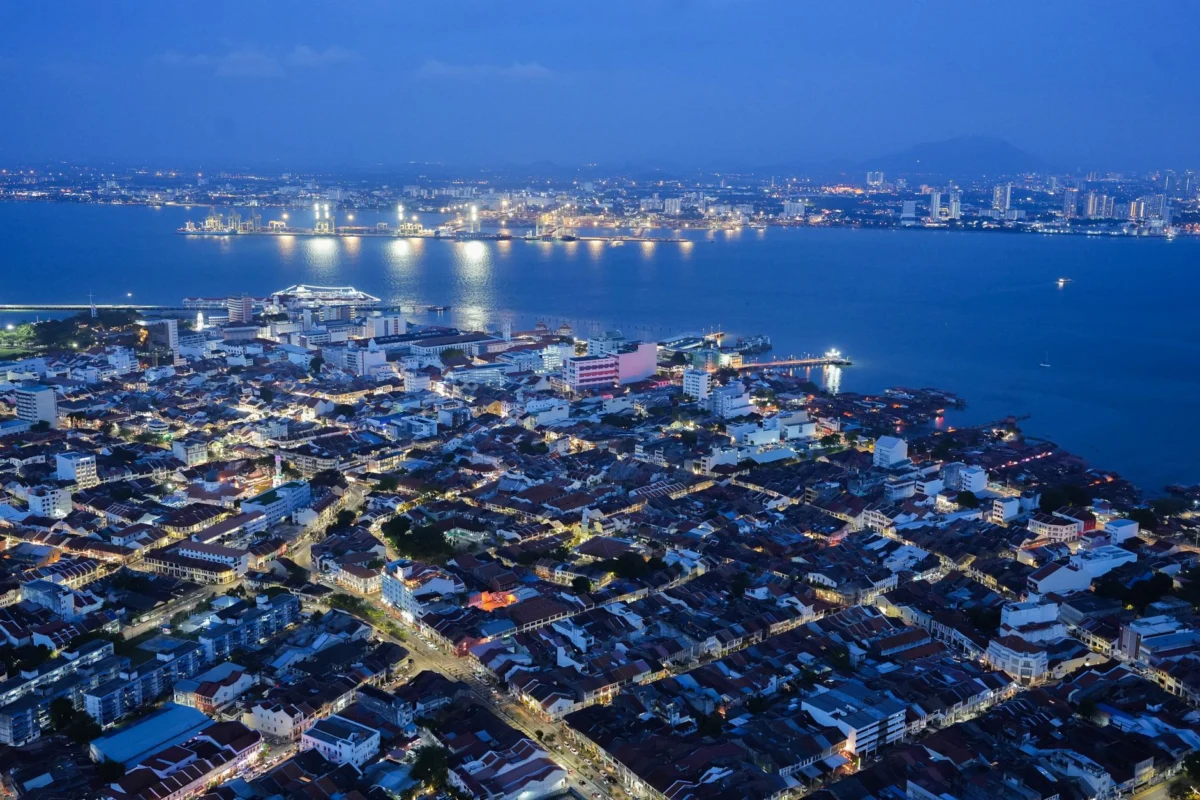
On a sweltering Thursday, the scent of fried satay mingles with the clatter of motorbikes weaving through the pastel shophouses of George Town, Penang – a UNESCO World Heritage site now buzzing with geopolitical whispers.

George Town heritage streets have long drawn tourists for their colonial architecture and street art; today they host an unexpected audience: analysts tracking China‑Taiwan tensions and South China Sea maneuvers.

Why is George Town in the spotlight?

According to a Google News feed titled “when:3h China OR Taiwan OR South China Sea,” the city appears in real‑time alerts as a potential flashpoint in the regional power balance. The algorithm flags any mention of the three keywords within three hours, suggesting that discussions about the island’s strategic position are now happening in real time.

George Town sits on the Strait of Malacca, a choke point through which over 80% of global maritime trade passes. Its proximity to the contested South China Sea makes it a convenient listening post for naval intelligence, and a symbolic venue for soft‑power displays.

What happens next?

Local businesses report a 12% rise in foreign‑press inquiries over the past week, while the Penang state tourism board notes a modest 4% dip in bookings from mainland Chinese visitors. No official statements have been released, but the patterns hint at shifting visitor dynamics.

For residents, the buzz translates into more security cameras on heritage alleys and sporadic briefings by the Malaysian Maritime Enforcement Agency. “We’re not seeing any overt threats,” an unnamed local shop owner told a reporter, “but the sense of being watched has definitely grown.”

Why does this matter? The intertwining of culture and conflict could reshape Penang’s economy, affect supply‑chain routes, and influence how Southeast Asian cities market their heritage amid great‑power rivalry.

Tourists may soon weigh not only the photo‑op of street murals but also the risk of being caught in a geopolitical crossfire. Investors watching the economy and markets sector will be keen to see if heritage tourism can withstand the heat.

Who is affected?

Small‑scale vendors, UNESCO officials, and regional policymakers all share a stake. A shift in visitor demographics could pressure the UNESCO committee to reassess preservation funding, while regional navies might increase patrols near Penang’s ports.

In the coming months, analysts expect more data points to surface as satellite imagery, shipping logs and social‑media chatter converge on the island.

Stay tuned as George Town heritage streets navigate the uneasy dance between culture and conflict, and watch how the story unfolds across the Strait.

Community Verdict — Do you trust this story?
Be the first to vote on this story.