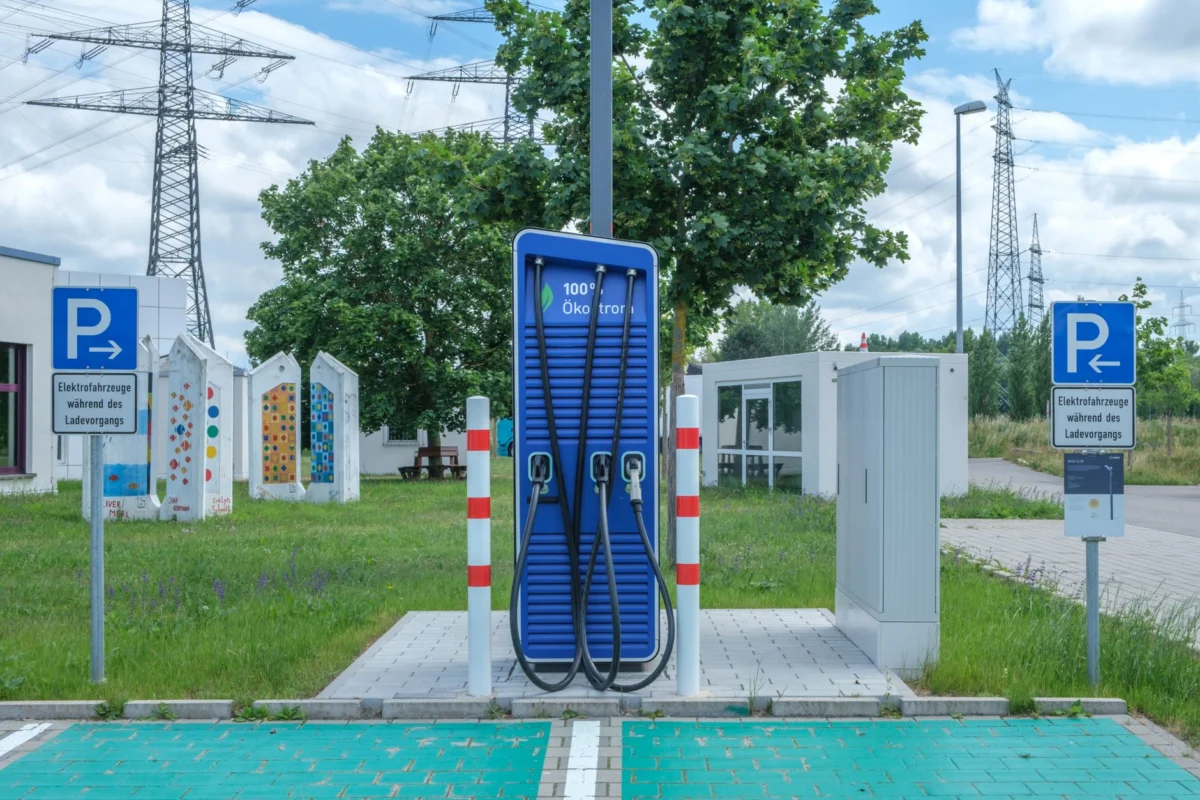
Geely is turning to 4-minute EV charging and artificial intelligence as part of its competitive strategy against BYD, Reuters reported. The move reflects intensifying rivalry in China’s electric vehicle market, where both speed of charging and AI capabilities are becoming key differentiators.
The automaker’s pivot toward ultra-fast charging infrastructure and AI integration comes as the broader EV industry seeks to address consumer concerns about range and convenience while enhancing automated driving features.
Key Facts
- Geely is focusing on 4-minute EV charging technology.
- The company is investing in AI alongside charging innovation.
- This strategy is positioned as a direct response to competition with BYD.
- The developments were reported by Reuters within the last 12 hours.
What This Means for the EV Market
Ultra-fast charging capable of refueling an electric vehicle in approximately four minutes would significantly reduce one of the biggest barriers to EV adoption — the long wait times associated with current charging systems. Most public charging stations today, even the fastest ones, typically require 20 to 40 minutes to reach 80% battery capacity.
Geely’s reported push into this area suggests it is working to match or surpass existing technologies, potentially through proprietary battery designs or partnerships with charging infrastructure providers. Several global automakers have already announced collaborations with charging networks to improve speed and accessibility, but achieving sub-five-minute charge times remains a significant engineering challenge.
AI advancements are also central to modern vehicle performance, particularly in navigation, driver assistance, and predictive maintenance. By combining these efforts, Geely may be aiming to offer not just faster refueling but smarter vehicles that adapt to driver behavior and road conditions in real time.
How Did We Get Here?
The rivalry between Geely and BYD has defined much of the recent evolution in China’s EV sector. BYD has consistently led in sales volume and innovation in battery technology, while Geely has focused more broadly across brands including Volvo, Polestar, and Lotus.
In recent years, Geely has made substantial investments in hybrid and electric platforms, such as its compact modular architecture (CMA) and dedicated EV platform, the Sustainable Product Line Architecture (SPVA). These moves indicate a long-term commitment to electrification beyond traditional internal combustion engines.
While both companies continue expanding globally, the race for technological superiority — whether through battery life, charging speed, or autonomous driving — remains highly competitive. Geely’s emphasis on AI aligns with broader trends where software and machine learning play increasingly prominent roles in defining user experience and vehicle functionality.
What We Know — And What We Don’t
Verified by the source:
- Geely is developing 4-minute EV charging technology.
- The company is advancing AI capabilities in parallel.
- These initiatives are framed as competitive responses to BYD.
- Reporting originated from Reuters and was indexed by Google News within the past 12 hours.
Still unconfirmed:
- No specific timeline or launch dates for the 4-minute charging system.
- Technical specifications or battery chemistries involved.
- Named executives or official statements from Geely regarding these projects.
- Exact markets or regions where such technologies might debut first.
Why It Matters
As governments worldwide push for greeter adoption of electric vehicles, innovations in charging speed and onboard intelligence could determine which manufacturers gain lasting advantage. Faster charging reduces range anxiety and makes long-distance travel practical without extensive planning. AI enhancements can improve safety, fuel efficiency, and personalization. For consumers and investors alike, the outcome of this technological contest shapes expectations for the future of mobility.
Market dynamics in the auto industry often shift based on early mover advantages in new tech segments.
What To Watch
Further announcements from Geely or BYD about product rollouts or partnerships will clarify whether this reported strategy translates into tangible advancements. Industry observers should monitor official disclosures and technical demonstrations for validation.