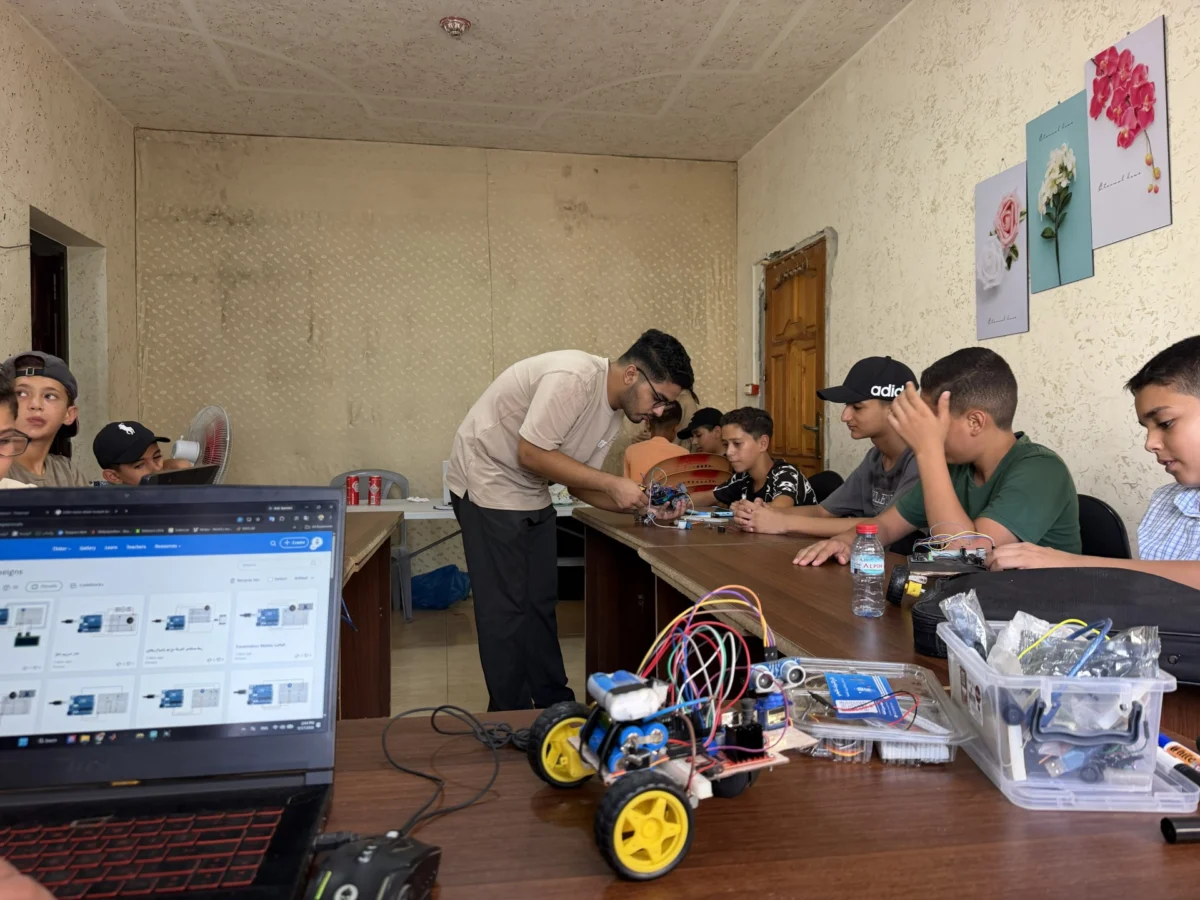
Gaza students are striving to advance in technology fields despite severe shortages of essential equipment needed for modern learning. The region’s IT infrastructure has faced significant setbacks due to prolonged conflict and destruction over recent years. Students remain determined to build skills in coding, programming, and digital innovation even with limited access to computers and reliable internet connections.
This determination reflects a broader effort across Gaza to maintain educational and professional development in technology sectors. Many students rely on shared devices, online resources, or informal networks to continue their studies. Their resilience highlights both the demand for tech literacy and the urgent need for improved infrastructure and educational support.
Key Facts
- Gaza students are attempting to keep up with technology education.
- They lack necessary equipment for proper learning.
- Gaza’s IT industry has suffered from three years of bombing and destruction.
- Students show ambition despite resource limitations.
- The tech sector in Gaza remains impacted by ongoing instability.
Why Are Resources So Scarce?
Gaza’s technology sector has endured substantial damage following years of conflict and infrastructure disruption. Repeated military actions have damaged buildings, disrupted power supplies, and reduced access to hardware and connectivity. These conditions make it difficult for institutions to provide students with up-to-date computer labs or stable internet access. As a result, many aspiring technologists must seek alternative ways to learn programming languages, software development, and other technical skills.
Educational initiatives have attempted to fill gaps through remote learning platforms and volunteer-led workshops. However, without consistent electricity or sufficient devices, progress can be slow. Some students travel long distances to access public Wi-Fi or use borrowed laptops. International aid organizations occasionally supply equipment, but distribution remains inconsistent and often insufficient to meet demand.
How Are Students Adapting?
To overcome these obstacles, Gaza students are turning to creative solutions such as peer-to-peer study groups and open-source learning materials. Online tutorials and YouTube videos serve as informal classrooms when traditional instruction is unavailable. Mobile phones sometimes substitute for desktop computers when accessing basic coding exercises or design tools.
Some educators conduct virtual sessions using encrypted messaging apps or low-bandwidth video calls. Others collaborate with universities abroad to share knowledge and connect students with mentors worldwide. Despite facing daily challenges, these efforts demonstrate a strong commitment to building future careers in technology.
What We Know — and What We Don’t
Verified by the source:
- Gaza students are trying to keep up with tech education.
- Equipment shortages are a major challenge.
- Gaza’s IT industry has been affected by three years of bombing.
- Students retain ambition despite hardships.
Still unconfirmed:
- Exact number of affected students or institutions.
- Precise extent of equipment loss.
- Specific names of programs or supporting organizations.
- Current enrollment figures or graduation rates.
Why It Matters
For young people in conflict-affected regions like Gaza, education—especially in high-demand fields like technology—represents a pathway to economic opportunity and personal growth. Supporting accessible tech learning helps foster innovation and stability. Understanding their struggles also underscores how global inequities impact local communities.
What To Watch
Future reports may detail whether international funding increases or new partnerships emerge to help address equipment gaps. Observers will watch how student engagement evolves amid shifting political and security conditions.