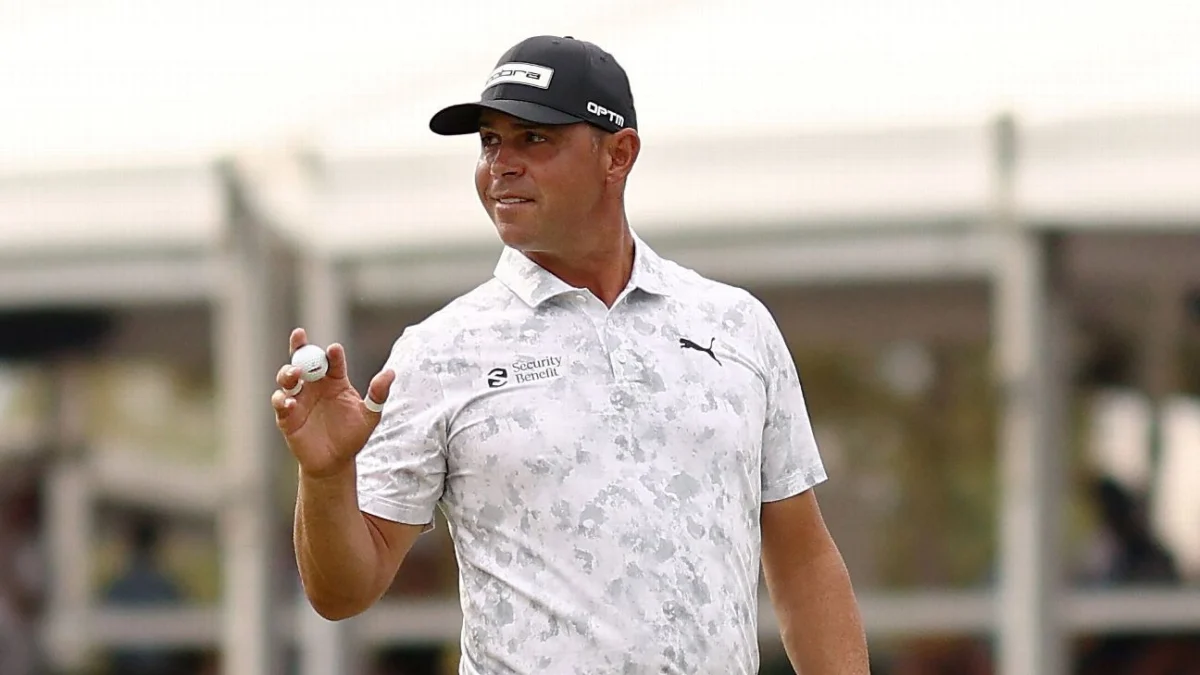
Professional golfer Gary Woodland has shared his personal battle with PTSD, describing many difficult days but expressing hope that his openness will help others. The 2019 U.S. Open champion revealed he has faced challenging moments while dealing with the condition.
Woodland did not specify the causes or full extent of his PTSD but emphasized the importance of discussing mental health challenges in sports. His decision to speak publicly aligns with growing athlete advocacy around mental wellness in high-pressure competitive environments.
KEY FACTS
- Gary Woodland is battling PTSD
- He describes having
a lot of days that suck
- The golfer hopes discussing his struggles will help others
- Woodland did not specify when his symptoms began
What does Woodland’s revelation mean for sports mental health?
Woodland’s disclosure continues a trend of athletes breaking silence about mental health challenges in professional sports. While he didn’t detail specific symptoms or treatments, his willingness to describe the daily difficulties of PTSD represents another high-profile example in golf, following similar revelations by other athletes across sports.
How common is PTSD among athletes?
While Woodland’s personal experience can’t be generalized, medical literature suggests athletes face unique PTSD risks from career-threatening injuries, competitive pressures, and traumatic events. However, prevalence rates vary widely by sport and circumstance. The golfer didn’t specify whether his condition relates to sports experiences or other life events.
WHAT WE KNOW — AND WHAT WE DON’T
Verified by the source:
- Gary Woodland is experiencing PTSD symptoms
- He finds many days extremely difficult
- He aims to help others by sharing his story
Still unconfirmed:
- The specific causes of Woodland’s PTSD
- When his symptoms began
- What treatment approaches he’s using
- How this affects his golf career
WHY IT MATTERS
High-profile athletes discussing mental health challenges help reduce stigma and encourage others to seek help. Woodland’s openness about PTSD – a condition often associated with military service but affecting people from all backgrounds – shows these struggles can affect anyone, even successful professionals in peak physical condition.
WHAT TO WATCH
Whether Woodland provides more details about his PTSD journey and if his advocacy influences how golf organizations address player mental health support. The sports world will also observe how this affects his performance in upcoming tournaments.