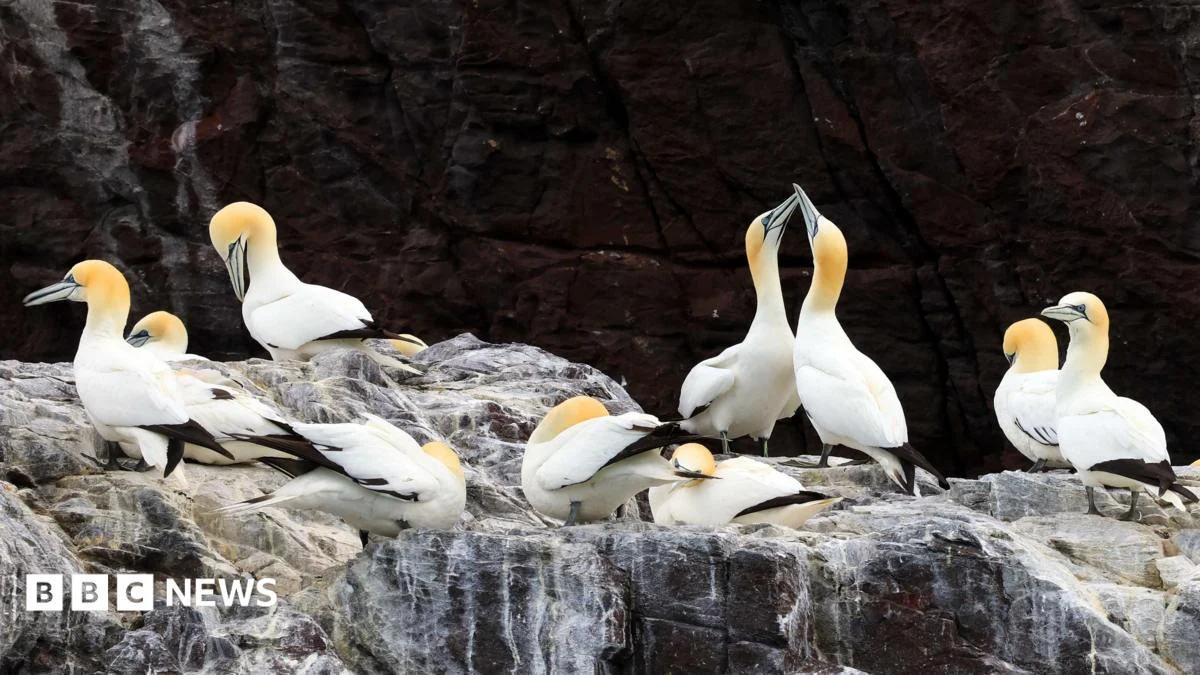
Gannet colonies could take up to 15 years to recover after the 2022 bird flu outbreak, according to BBC News.
The disease caused an unprecedented deadly blow to seabird colonies in Scotland and Wales, leaving scientists concerned about long‑term population impacts.
Key Facts
- The 2022 outbreak hit seabird colonies in Scotland and Wales.
- The impact on gannet colonies was described as an “unprecedented deadly blow”.
- Recovery for those colonies could take as long as 15 years.
What happened?
The bird flu virus spread among gannets and other seabirds, causing significant mortality. Researchers noted the severity of the loss compared with previous events.
What happens next?
Conservation groups will monitor the affected sites to track population changes over the coming years. Ongoing studies aim to understand how the colonies might rebuild.
Who is affected?
The gannet colonies in Scotland and Wales bear the brunt of the outbreak, but the wider marine ecosystem could feel indirect effects.
What We Know — and What We Don’t
Verified by the source:
- The 2022 bird flu outbreak caused a severe impact on seabird colonies in Scotland and Wales.
- The impact on gannet colonies was described as unprecedented.
- Recovery may require up to 15 years.
Still unconfirmed:
- Exact numbers of birds lost.
- Specific measures being taken to aid recovery.
- Whether other regions experienced similar impacts.
Why it matters: Understanding the scale of wildlife loss helps shape conservation priorities and informs responses to future disease outbreaks.
What to watch: Follow updates from wildlife agencies for signs of population rebounds or new disease reports.
climate and environment coverage provides further context on seabird health.