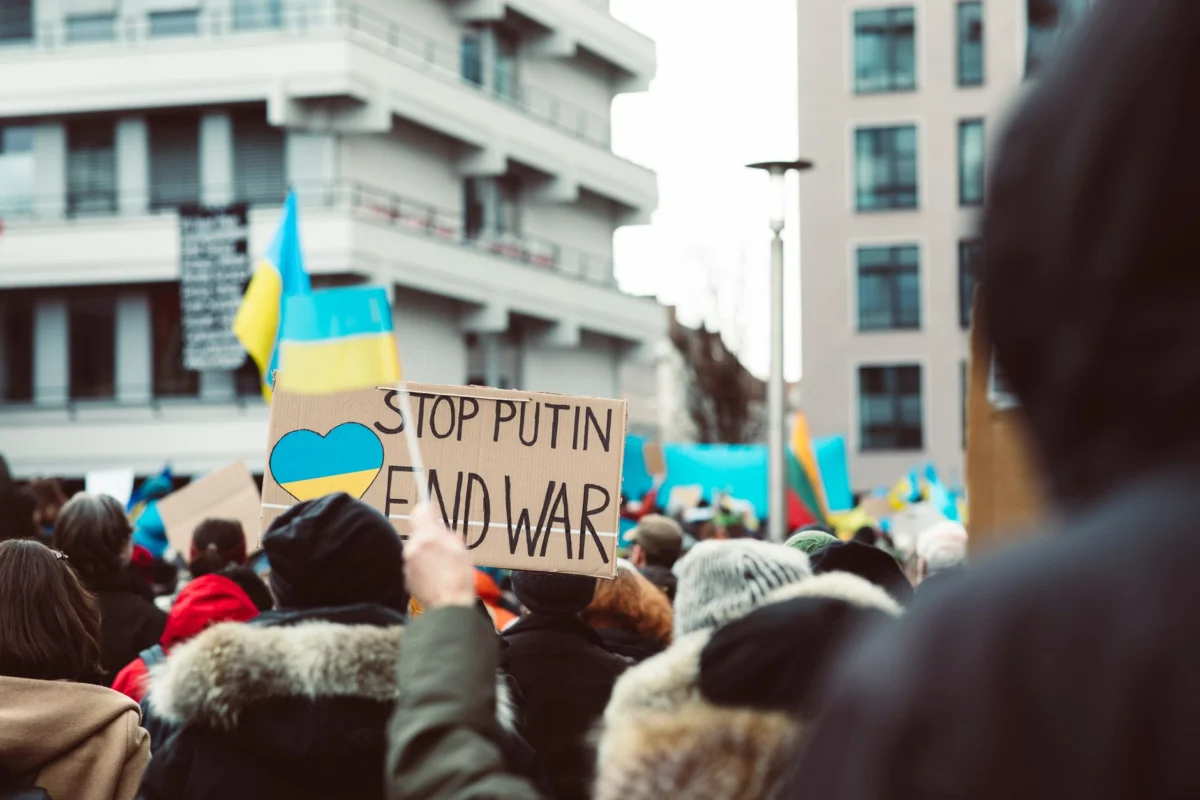
At the Palazzo del Quirinale, a lone Ukrainian flag fluttered beside the Italian tricolor as German Chancellor Olaf Scholz handed President Joe Biden a thick dossier on artillery shells.
The G7 summit in the Italian town of Borgo Egnazia has become a high‑stakes bargaining table where the Ukraine war and a tentative US‑Iran nuclear deal dominate every conversation.
War in Ukraine Stalls, Money Flows
Ukraine has asked for an additional $15 billion in military aid, a figure echoed by NATO’s head in Brussels. The United States, the summit’s biggest spender, pledged $2.5 billion in new funding, but British Prime Minister Rishi Sunak warned that “the pot is not limitless.”
Since February 2022, more than $45 billion in Western weapons have crossed into Ukraine, according to a recent Defense Ministry tally. Yet Kyiv’s artillery units report a shortfall of 10 percent in 155 mm shells, a gap that could decide the next spring offensive.
Why does this matter?
Every shell not delivered delays a potential peace settlement and raises global grain prices, pushing food insecurity higher in Africa and the Middle East. For the average consumer, higher wheat costs may appear on supermarket receipts within weeks.
US‑Iran Nuclear Deal on the Table
In a surprise twist, the United States floated a “limited” nuclear deal with Iran, hoping to free up diplomatic bandwidth for Ukraine. The proposal would lift some sanctions in exchange for Iran halting enrichment beyond 3.67 percent, a figure long‑standing in the 2015 JCPOA.
Iran’s foreign minister, Hossein Amir‑Abdollahian, called the offer “a step towards peace,” but Iranian hardliners dismissed it as a “temporary lull.”
European leaders remain divided. French President Emmanuel Macron urged “a comprehensive, verifiable framework,” while German officials expressed concern that any loosened sanctions could fund Russian proxies in Ukraine.
What happens next?
Negotiators are set to meet in Vienna next month. If a deal materialises, it could unlock $10 billion in frozen Iranian assets, potentially reshaping sanctions policy and influencing the G7’s budget for Ukraine aid.
Meanwhile, Chinese President Xi Jinping sent a private message to the G7, urging “regional stability” and warning that “escalation harms all economies.”
From the sidelines, analysts in economy and markets warn that uncertainty over both Ukraine and Iran could spook investors, pushing oil above $90 per barrel and prompting a flight to safe‑haven currencies.
The G7’s ability to reconcile these two flashpoints will test the alliance’s relevance in a multipolar world.
Who is affected?
Beyond Kyiv and Tehran, the decisions ripple to Europe’s energy bills, Africa’s grain imports, and the United States’ geopolitical leverage in the Indo‑Pacific.
As the summit winds down, the next few weeks will reveal whether the G7 can turn bold rhetoric into concrete support for Ukraine and a credible pathway to a US‑Iran nuclear accord.
Stay tuned for the outcomes of Vienna’s talks and the impact on global markets.