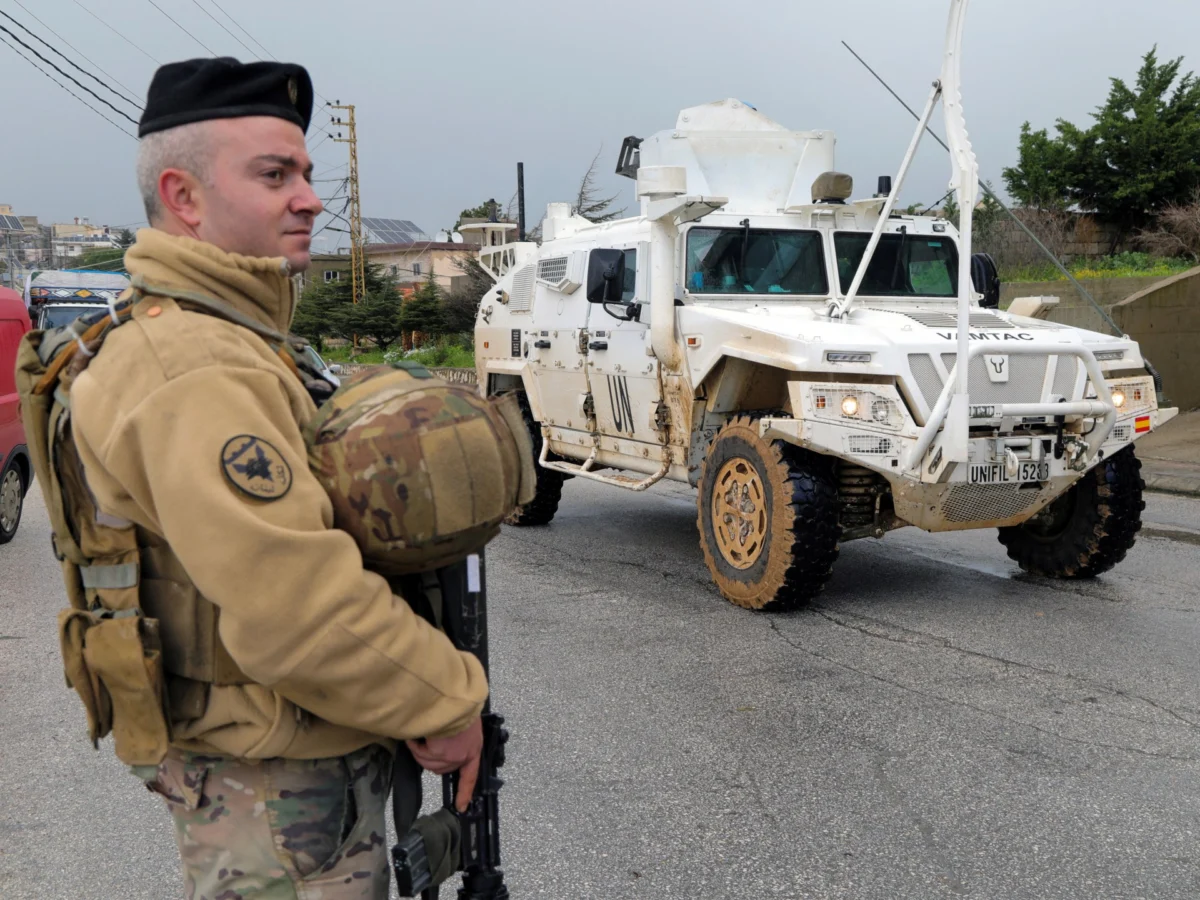
The future of peacekeeping in southern Lebanon is uncertain as the UN Interim Force in Lebanon (UNIFIL) begins phasing out its presence in the region. According to Al Jazeera, future missions may shrink significantly, creating potential security gaps if political solutions remain elusive.
The gradual withdrawal of UNIFIL forces comes at a time of heightened regional tensions. Peacekeeping operations in southern Lebanon have long played a critical role in maintaining stability along the border with Israel.
Key Facts
- UNIFIL peacekeeping forces are beginning phase-out in southern Lebanon
- Future peacekeeping missions may be significantly smaller in scale
- Security gaps could emerge if political solutions aren’t reached
- The situation remains uncertain as of reporting
How Did We Get Here?
UNIFIL was established in 1978 to confirm Israeli withdrawal from Lebanon and restore peace. While the mission has evolved over decades, its core mandate has remained maintaining calm along the Blue Line border. The current reduction comes as part of broader shifts in international peacekeeping approaches.
What’s At Stake?
The gradual drawdown of peacekeepers leaves questions about who might fill the security vacuum in southern Lebanon. The region has remained volatile despite UNIFIL’s presence, with periodic flare-ups between Hezbollah and Israeli forces. Smaller future missions may struggle to maintain the same level of border monitoring and conflict prevention.
What We Know — and What We Don’t
Verified by the source:
- UNIFIL is beginning a phase-out process in southern Lebanon
- Future peacekeeping missions will likely be smaller in scale
Still unconfirmed:
- The exact timeline for UNIFIL’s complete withdrawal
- Which organizations might replace or supplement UN peacekeeping efforts
- How regional powers might respond to the changing security situation
Why It Matters
Southern Lebanon represents one of the most sensitive border regions in the Middle East. Any reduction in peacekeeping forces risks destabilizing an already tense situation, particularly without clear political solutions to underlying conflicts. The international community watches closely as any shift could impact broader regional security.
What To Watch
Observers will monitor how Lebanese authorities and neighboring countries respond to the changing peacekeeping landscape. The effectiveness of smaller missions and potential escalation risks will become clearer as the drawdown continues.