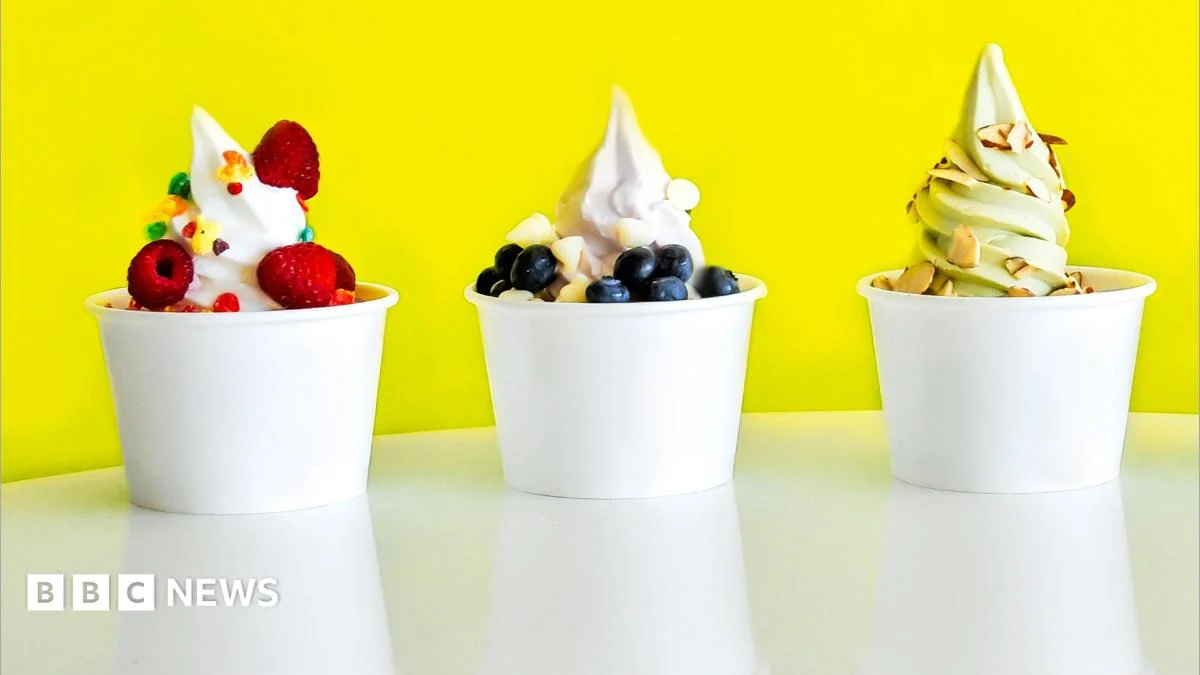
Frozen yogurt has made a comeback in the UK, with new chains opening across the country and charging around £12 per tub. The dessert, which previously saw widespread popularity during the 2000s and 2010s, is now being reintroduced by multiple operators aiming to capitalise on renewed consumer interest.
The return of frozen yogurt marks a notable shift in the food and drink landscape, suggesting that past trends may be regaining traction among shoppers. Whether the revival will sustain itself remains uncertain, particularly given the high price point attached to each serving.
KEY FACTS
- Frozen yogurt was a major trend in the 2000s and 2010s.
- It has now returned with multiple chains opening across the wider UK.
- Each tub is priced at £12.
- The comeback reflects changing consumer preferences in the market.
- Long-term sustainability of the trend is unclear.
The Return of a Forgotten Treat
Frozen yogurt first gained traction in the early 2000s as a healthier alternative to ice cream, offering a tangy, low-fat option that appealed to health-conscious consumers. Chains began popping up in shopping centres and city streets, branding the product as both indulgent and nutritious. By the 2010s, the craze had reached its peak, with dedicated stores becoming common fixtures in urban areas.
Now, several years later, new operators are betting that nostalgia and evolving tastes will drive demand once again. These chains are positioning frozen yogurt as a premium offering, reflected in its £12 price tag. This pricing strategy suggests a focus on quality ingredients or artisanal preparation methods, though the source does not specify further details.
Can a Trend Survive a Second Wave?
The re-emergence of frozen yogurt raises questions about whether the market can support another surge in popularity. Previous iterations of the trend eventually faded, often due to oversaturation or shifting consumer preferences towards other desserts and snacks. Today’s environment is also more competitive, with established brands and innovative alternatives vying for attention.
Pricing plays a critical role in determining how long the trend lasts. At £12 per tub, the product sits firmly in the premium segment. Consumers may be willing to pay more for novel or Instagram-worthy experiences, but sustained sales will likely depend on consistent quality and differentiation. Analysts note that second-wave trends can succeed when they address shortcomings of their predecessors, but they caution against assuming history will repeat itself.
What We Know — and What We Don’t
Verified by the source:
- Frozen yogurt chains have reopened across the wider UK.
- Each tub is sold for £12.
- The trend previously peaked in the 2000s and 2010s.
Still unconfirmed:
- The names or locations of the new chains.
- How many stores have opened so far.
- Exact reasons behind the price point.
- Projected sales figures or market forecasts.
Why It Matters
The return of frozen yogurt illustrates how food trends can cycle through periods of popularity and decline. For businesses, it represents an opportunity to reconnect with consumers who remember the original craze. For shoppers, it offers a familiar treat reimagined for modern tastes. However, success in today’s crowded marketplace will require more than nostalgia — it will need strong branding, consistent quality, and a clear value proposition.
What To Watch
Future developments may include expansion into new regions or collaborations with existing retailers. If sales remain strong over the coming months, it could signal a longer-lasting revival. If not, the trend may follow the same path as before, fading once consumer interest wanes.