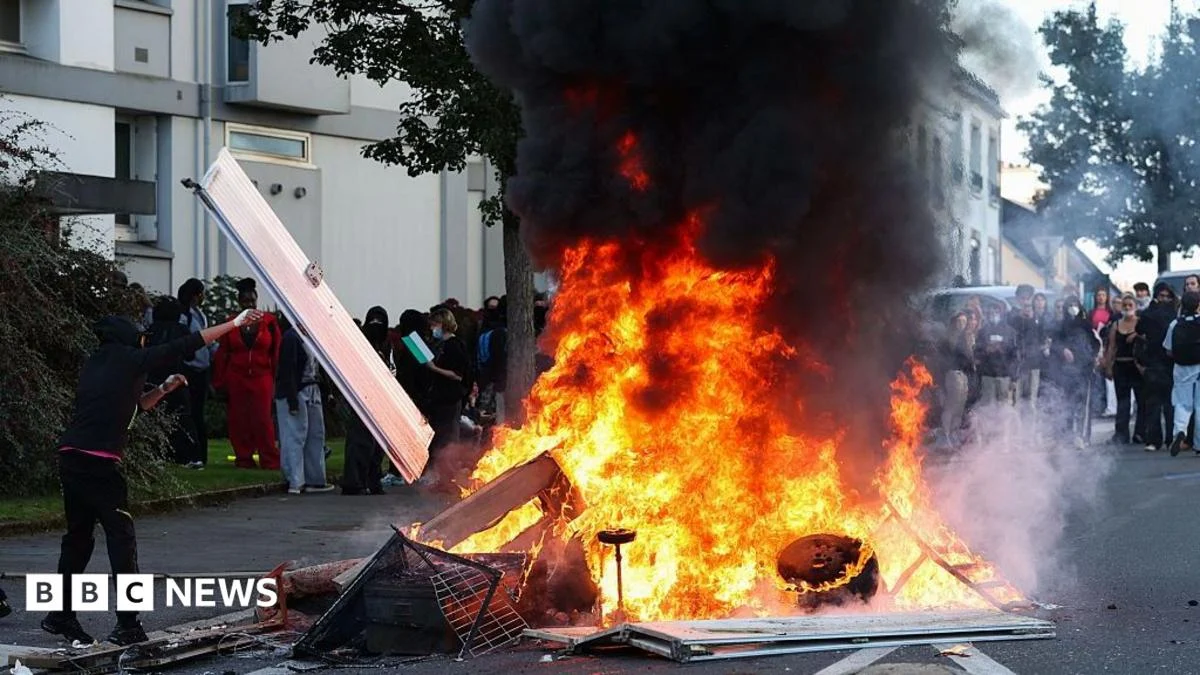
Riot police clashed with students as education protests continued across France, underscoring growing unrest over school conditions and staffing. More than 600 schools have faced disruption as demonstrators voice concerns about educational standards and a lack of teachers.
The protests reflect broader public dissatisfaction with the state of France’s education system. While details of specific incidents remain limited, the scale of school disruptions signals sustained unrest among students and educators alike.
KEY FACTS
- 600+ schools disrupted: Protests caused widespread closure or partial shutdown of schools.
- Topic: education protests: Demonstrations focused on standards and teacher availability.
- Riot police involved: Security forces clashed with student protesters.
- Source: BBC News: Reporting based on coverage by the British broadcaster.
The Scope of School Disruptions
The education protests have affected over 600 schools, indicating a significant level of national impact. According to BBC News, these demonstrations center around two main issues: declining educational standards and a shortage of qualified teachers. Schools across various regions reportedly experienced varying degrees of closure or reduced operations, reflecting broad-based dissatisfaction within the academic community. Students took to the streets, demanding action from authorities to address systemic challenges in the education sector. The ongoing nature of these education protests suggests that dialogue between demonstrators and officials has yet to yield meaningful resolution.
What Happens Next?
As the education protests persist, questions remain about whether negotiations will resume between striking students and government representatives. BBC News reports that clashes between riot police and protesters have already occurred but does not specify timelines or locations. It remains unclear if additional measures will be introduced to ease tensions or restore normalcy in affected schools. The lack of named officials or formal statements leaves much uncertainty regarding next steps. However, continued media attention may pressure stakeholders to initiate talks aimed at resolving core grievances tied to educational standards and staffing levels.
What We Know — and What We Don’t
Verified by the source:
- Riot police clashed with students during the education protests.
- More than 600 schools faced disruption due to protest activity.
- Protesters raised concerns about educational standards and teacher shortages.
- The events were reported by BBC News.
Still unconfirmed:
- Exact dates and times of the clashes.
- Number of injured or arrested individuals.
- Specific locations where incidents occurred.
- Official responses or planned negotiations.
Why It Matters
These education protests highlight persistent challenges facing school systems worldwide—particularly underfunding and workforce instability. When large numbers of students take to the streets, it often signals deep frustration beyond classroom walls. For families and policymakers alike, ensuring access to quality learning environments backed by sufficient staffing remains critical—not just for academic outcomes, but also social cohesion moving forward.
What To Watch
Observers are awaiting potential updates from education authorities or union leaders who may release further guidance on how these matters might proceed shortly.