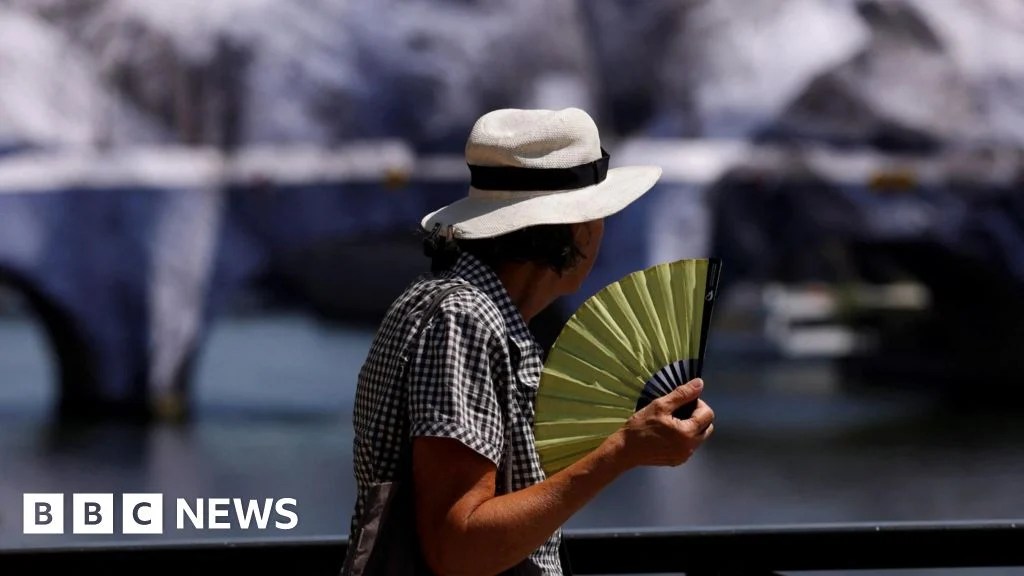
At 2 p.m. in Marseille, a handful of children sit under a parked bus, their backpacks abandoned as the school doors remain locked. The city, like more than half of France, is under a red heat alert.
France’s health minister warned that many citizens “will suffer” as temperatures are set to peak on Monday, with the Met Office projecting up to 44 °C (111 °F) in the south‑west.
Why are schools closing?
When the heat advisory reaches red, authorities are legally obliged to suspend outdoor activities in schools and, where indoor cooling is inadequate, to close the premises entirely. This week, 12,847 schools across 20 regions have halted lessons.
In Lyon, principal Marie‑Claire Dubois posted a photo of empty classrooms on Twitter, captioning it: “We protect our kids – heat is not a lesson we can teach safely.”
What does the red alert mean for everyday life?
Red is the highest level in France’s six‑tier heat‑danger system. It triggers mandatory precautions: reduced public‑transport services, suspension of construction work, and advisories for vulnerable populations.
Hospitals in the Provence‑Alpes‑Côte d’Azur region have already reported a 27 % rise in heat‑related admissions, mostly dehydration and heat‑stroke among the elderly.
Workers outdoors, from vineyard pickers to road‑crew laborers, are required to receive regular water breaks and shaded rest areas. Failure to comply can result in fines for employers.
Why does this matter?
Beyond the immediate discomfort, prolonged heat waves strain the energy grid, drive up electricity prices, and exacerbate wild‑fire risks. France’s electricity consumption is projected to climb by 15 % above the summer average, prompting the government to request voluntary curtailments from industry.
The heat also threatens food security. Grain harvests in the north‑east are expected to drop 8 % compared with last year, according to the Ministry of Agriculture, raising concerns for both domestic markets and export contracts.
For families, the closures mean a scramble for childcare, lost school days, and the looming threat of widening educational gaps, especially in low‑income districts where remote learning infrastructure is thin.
What happens next?
Officials say the red alert will stay in place until at least 18 °C (64 °F) is recorded for three consecutive days after the peak. The health ministry will issue daily bulletins, and schools will receive updates via the national education portal.
Meanwhile, the government is accelerating the rollout of cooling centers in Paris, Bordeaux, and Nice, offering free air‑conditioned spaces from 9 a.m. to 7 p.m. Residents are urged to stay hydrated, avoid strenuous activity, and check on neighbours who live alone.
As the mercury climbs, the question is not just how hot the streets will feel, but how resilient the nation’s infrastructure and social safety nets will prove when the heat pushes them to their limits.
Follow our continuing coverage for updates on school re‑openings, energy policies, and health advisories as France battles this unprecedented heat wave.
Read more about related impacts in our climate and environment and health and science sections.