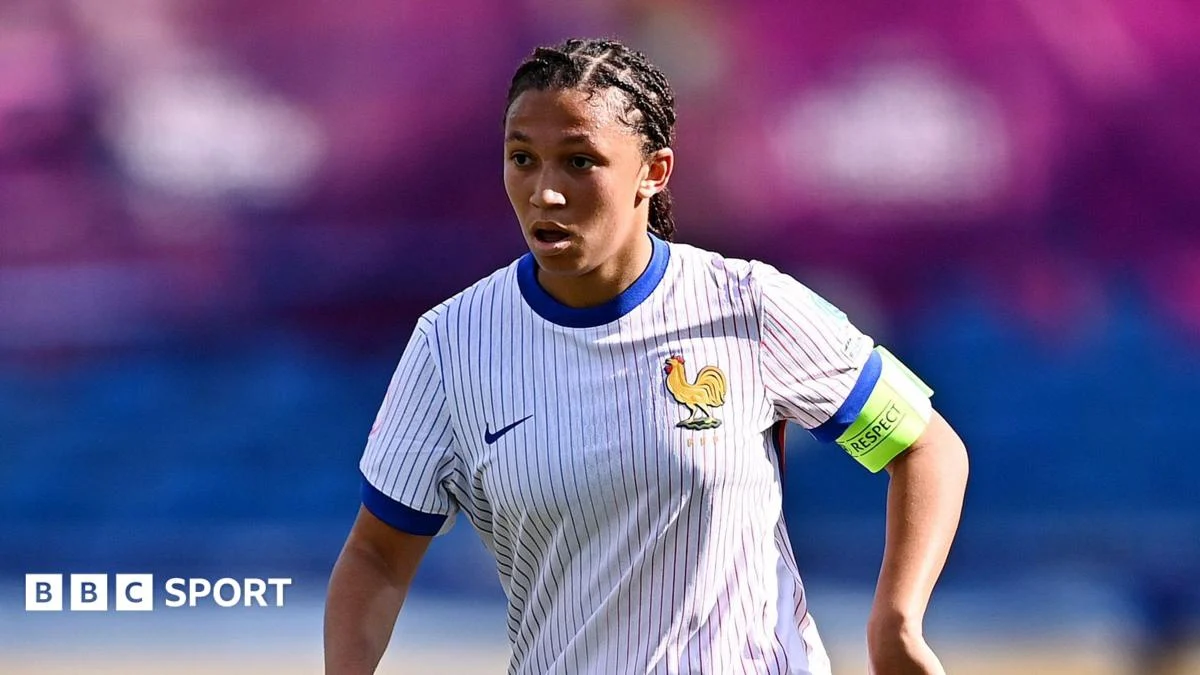
France has stated its intention to compete in the Under-20 Women’s World Cup next month, despite a threat from Uefa to boycott Fifa competitions. The decision underscores a potential rift between European football’s governing body and individual national teams over participation in global tournaments.
The U20 Women’s World Cup, organized by Fifa, is a key event for young female footballers, offering them a platform to showcase their talents on an international stage. France’s commitment to participate highlights its stance on supporting women’s football development, even amid broader political tensions within the sport’s governing bodies.
Key Facts
- France plans to compete in the U20 Women’s World Cup next month.
- Uefa has threatened to boycott Fifa competitions.
- The tournament is a significant opportunity for young female footballers.
What’s at stake?
The participation of France in the U20 Women’s World Cup comes at a time when Uefa has expressed its intention to boycott Fifa events. This threat stems from ongoing disputes between the two organizations, though the exact reasons remain unspecified in the source. For France, ignoring Uefa’s stance could have implications for its relationship with European football’s governing body.
Why this matters for women’s football
The U20 Women’s World Cup is a critical stepping stone for young players aiming to break into senior teams. By committing to the tournament, France is ensuring its players do not miss out on valuable competitive experience. This decision also signals France’s prioritization of player development over political disputes within football’s administrative bodies.
What We Know — and What We Don’t
Verified by the source:
- France intends to participate in the U20 Women’s World Cup.
- Uefa has threatened a boycott of Fifa competitions.
Still unconfirmed:
- The specific reasons behind Uefa’s boycott threat.
- Whether other European nations will follow France’s lead or adhere to Uefa’s stance.
Why It Matters
This situation highlights the tension between national football associations and continental governing bodies, with potential repercussions for international tournaments. France’s decision to proceed with participation underscores the importance of competitive opportunities for young athletes, even amid administrative conflicts.
What To Watch
Attention will now turn to whether other European nations follow France’s example or align with Uefa’s boycott threat. The upcoming weeks may reveal broader divisions within European football over relations with Fifa.