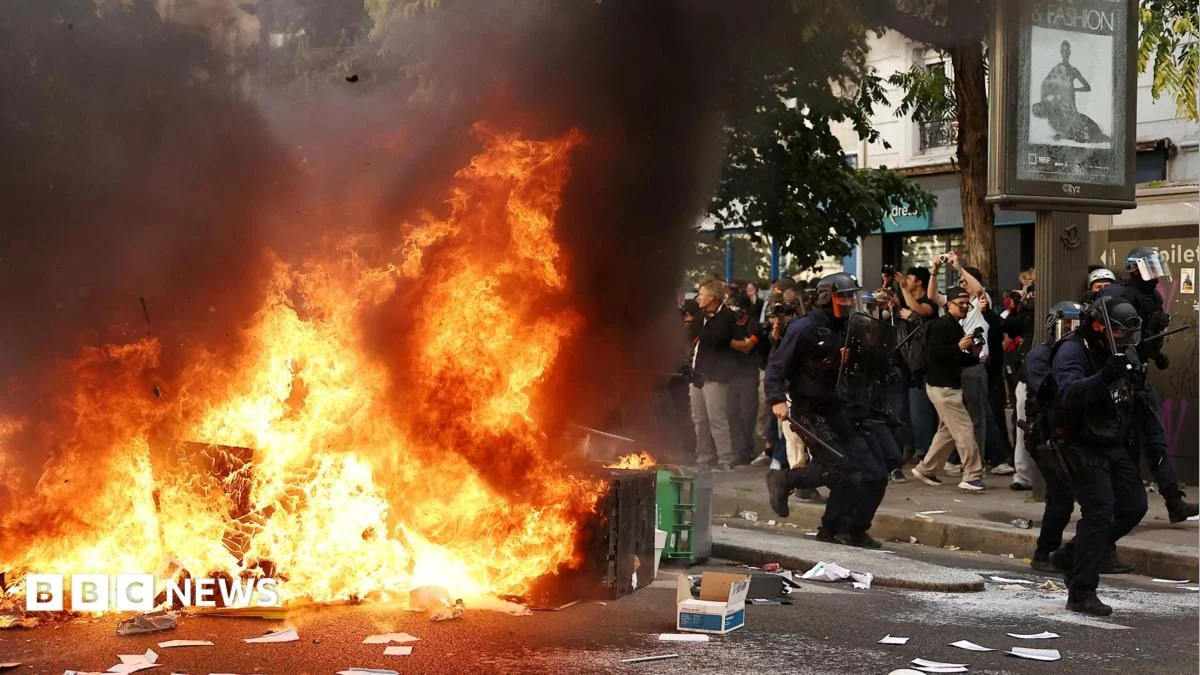
France has temporarily halted the use of stun grenades by law enforcement following reports of a serious injury to a young person during student-led demonstrations. The decision follows complaints from multiple groups alleging excessive force against teenagers.
The suspension was announced after public outcry over what several organizations described as disproportionate police action targeting minors involved in the protests. While no official statement detailing the circumstances was included, the move reflects rising tension between student demonstrators and authorities.
KEY FACTS
- France halts use of stun grenades amid student protests.
- Injury involved a boy whose hand was reportedly blown off.
- Complaints filed by groups over police force toward teens.
- Actions took place during ongoing student demonstrations.
- No official timeline or policy reversal date provided.
THE STORY
Who is affected?
The immediate impact falls on French students participating in ongoing protests, many of whom are minors. Advocacy groups representing youth have raised concerns about the level of force used during these events. The reported injury has become a focal point for broader debates around policing tactics at civilian gatherings.
Beyond those directly involved, educators, parents, and civil liberties organizations are also watching closely. Their interest lies in understanding whether current frameworks for managing public dissent adequately protect vulnerable participants, especially young people.
How did we get here?
Student protests in France frequently erupt over issues such as education reform, tuition hikes, and campus conditions. Historically, these movements have drawn large crowds and sometimes led to confrontations with police. Over time, various forms of non-lethal equipment—including stun grenades—have been deployed to control crowds or disperse gatherings.
In recent years, questions have emerged regarding the appropriateness and safety of deploying such tools near minors. Critics argue that alternatives should be considered when dealing with teenage demonstrators, given their age and potential vulnerability in high-stress situations.
What happens next?
Public attention now turns to whether the halt on stun grenade usage will remain temporary or evolve into longer-term legislative action. Civil society groups are calling for transparent investigations into all allegations of excessive force. Officials may soon face pressure to outline new protocols governing law enforcement responses to youth-led protests.
At this stage, no formal review process or replacement strategy has been disclosed. However, continued scrutiny from both domestic and international observers seems likely unless further developments occur.
WHAT WE KNOW — AND WHAT WE DON’T
Verified by the source:
- Use of stun grenades by French police has been suspended.
- A male minor sustained severe injury during student protests.
- Multiple groups complained about disproportionate force used against teens.
Still unconfirmed:
- Exact date and location of the incident involving the teen.
- Identity or affiliation of the complaining advocacy groups.
- Official reasoning behind the decision to suspend stun grenade use.
- Duration or terms under which the pause remains active.
WHY IT MATTERS
This development highlights growing concerns over how governments respond to youth activism and handle security measures during civic unrest. It also underscores the delicate balance between maintaining order and protecting fundamental rights, particularly among minors exercising freedom of expression through protest.
WHAT TO WATCH
Stakeholders await potential policy revisions outlining updated guidelines for managing future demonstrations involving underage participants. For more on regional tensions shaping today’s geopolitical landscape, visit our war-geopolitics archive. Related coverage can also be found in our politics section.