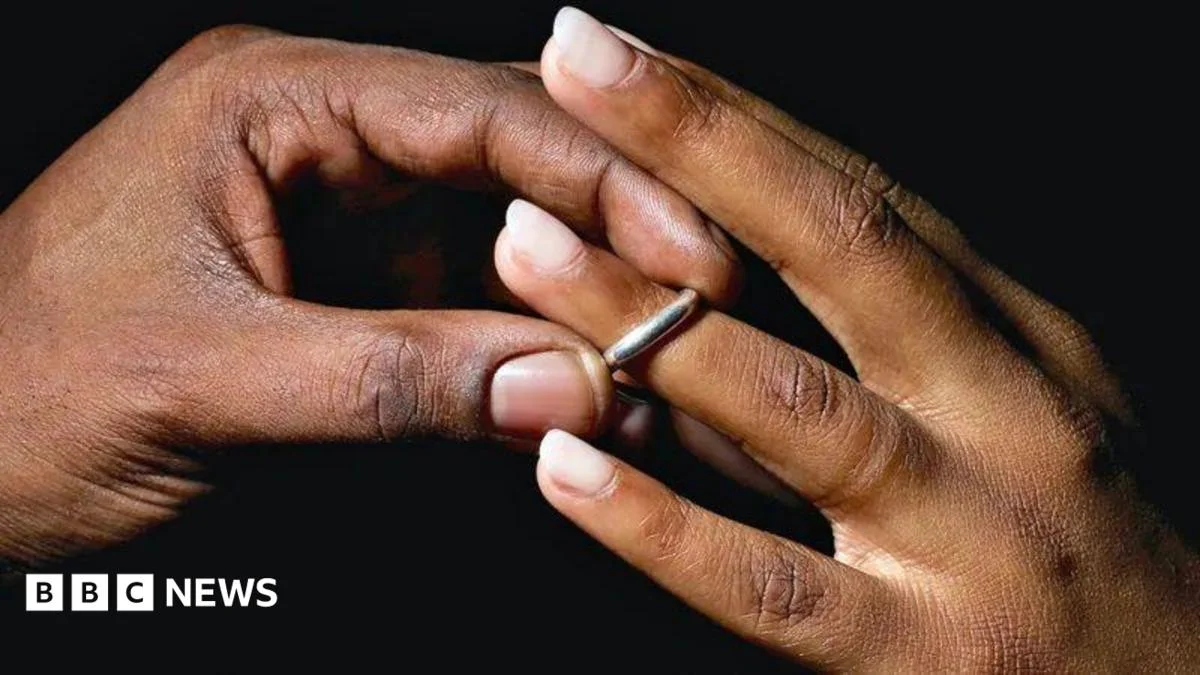
Four men, including a 45‑year‑old father and the 19‑year‑old husband of a 17‑year‑old girl, sit in a Freetown courtroom awaiting a verdict that could land them up to ten years behind bars.
This case, the first of its kind in Sierra Leone, puts a spotlight on the country’s stubborn child‑marriage customs, which the United Nations says still affect an estimated 27 % of girls under 18.
What the trial reveals
The prosecution alleges that the girl, named only as “A.” to protect her identity, was forced to marry her father’s son‑in‑law in 2023, when she was just 15. The marriage was conducted under customary law, not civil registration, and the girl was never given a chance to consent.
Judge M. Baio, presiding over the case, said the court would consider whether the men “abused traditional authority to sidestep national law.” The defendants have pleaded not guilty, claiming the marriage was consensual and adhered to local customs.
Why does this matter?
Child marriage is not just a cultural relic; it fuels gender‑based violence, limits education, and perpetuates poverty. UNICEF estimates that each year a girl married before 18 loses an average of 5.5 years of schooling, costing societies billions in lost productivity.
If convicted, the men face up to ten years in prison each, a sentence that could set a legal precedent and embolden NGOs pushing for stricter enforcement of the 2017 Child Rights Act.
National and international response
The Ministry of Social Welfare released a statement saying the trial demonstrates Sierra Leone’s “zero‑tolerance stance” toward child marriage. No named officials were quoted in the BBC report.
Local women’s rights groups, including the Equality Now Sierra Leone chapter, have rallied outside the courthouse, demanding swift justice and urging the government to align customary practices with international law.
For readers outside West Africa, the case underscores how deeply entrenched customs can clash with global human‑rights norms, reminding us that progress is often fought in a single courtroom, not just on the world stage.
What happens next?
The verdict is expected within weeks. Legal analysts say a conviction could trigger a wave of investigations into similar marriages across the country, while a acquittal might reinforce the loophole that lets customary law evade state oversight.
The outcome will be watched closely by war‑geopolitics observers tracking human‑rights trends, and by policymakers drafting future aid packages for Sierra Leone’s education sector.
Stay tuned as the courtroom drama unfolds – the decision could rewrite the legal landscape for thousands of girls and reshape how Sierra Leone balances tradition with rights.