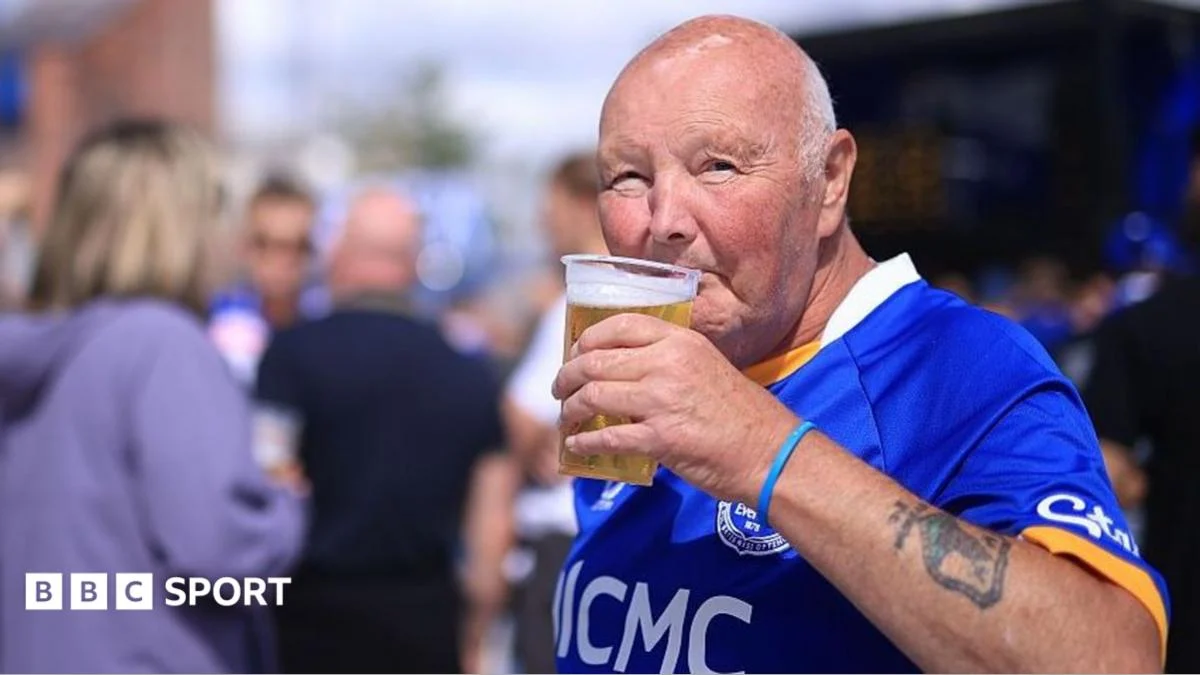
Lifting the long-standing ban on drinking alcohol in view of the pitch at football matches remains a topic of discussion, but it is not yet clear whether supporters actually want the change. Andy Burnham has long argued for repealing the restriction, though a key question lingers: do fans even want it?
The idea of allowing spectators to purchase and consume alcoholic drinks while seated in the stands has resurfaced repeatedly in policy circles. Proponents argue it could boost revenue and improve the fan experience, while critics worry about safety and crowd behaviour. With no broad survey or official data yet released, the picture remains mixed.
Key Facts
- Andy Burnham supports repealing the ban on drinking alcohol at football matches.
- The ban prevents supporters from drinking in view of the pitch.
- It is unclear whether fans actually want the ban lifted.
- BBC News reports the debate is ongoing but fan demand remains unmeasured.
The Story
What happens next?
Any formal move to change the rules would likely require coordination between local licensing authorities, football governing bodies, and public safety officials. So far, no concrete proposal or legislative step has been announced. The conversation appears limited to commentary and advocacy rather than policy action.
Burnham’s position reflects a broader trend in some regions where sports venues are reconsidering alcohol policies. However, football stadiums in England operate under strict regulations introduced decades ago to address crowd trouble. Changing those rules would involve reviewing enforcement practices and risk management strategies.
Who is affected?
Supporters, club owners, and public health officials are potential stakeholders in any shift around football match alcohol sales. Clubs might see increased concession revenue, while police and medical staff would need to assess safety implications. Local communities near stadiums could also feel indirect effects on public order.
Fan groups have not yet issued a unified response to the idea of reopening the debate. Some may welcome greater hospitality options, while others could oppose any relaxation of existing controls. Without polling data or formal consultation, assumptions about public sentiment should be avoided.
How did we get here?
Restrictions on alcohol consumption at football grounds were introduced in the UK during the 1980s following a series of incidents linked to hooliganism. These measures significantly reduced alcohol-related disorder but also altered the matchday experience for many attendees.
In recent years, several politicians and industry figures have questioned whether the original restrictions remain necessary given improved stadium management and security. Still, no official inquiry or government review has been launched to examine current evidence on football match alcohol use.
What We Know — and What We Don’t
Verified by the source:
- Andy Burnham has campaigned for a repeal of the ban on drinking alcohol at football matches.
- The ban bars supporters from consuming alcohol in view of the pitch.
- BBC News highlights uncertainty over whether fans want the ban lifted.
Still unconfirmed:
- Whether a formal policy proposal will be introduced.
- How much revenue clubs might gain from lifting the ban.
- Fan polling results or representative public opinion data.
- Any timeline or decision-making process from relevant authorities.
Why It Matters
Football match alcohol policy touches on public safety, entertainment economics, and cultural norms around sports viewing. How this debate unfolds may influence future regulation across UK sports venues. Politics and Economy & Markets stakeholders alike are watching for signs of movement.
What To Watch
No official consultation or vote has been scheduled. Updates from local councils or the Football Association would signal whether the discussion moves beyond commentary.