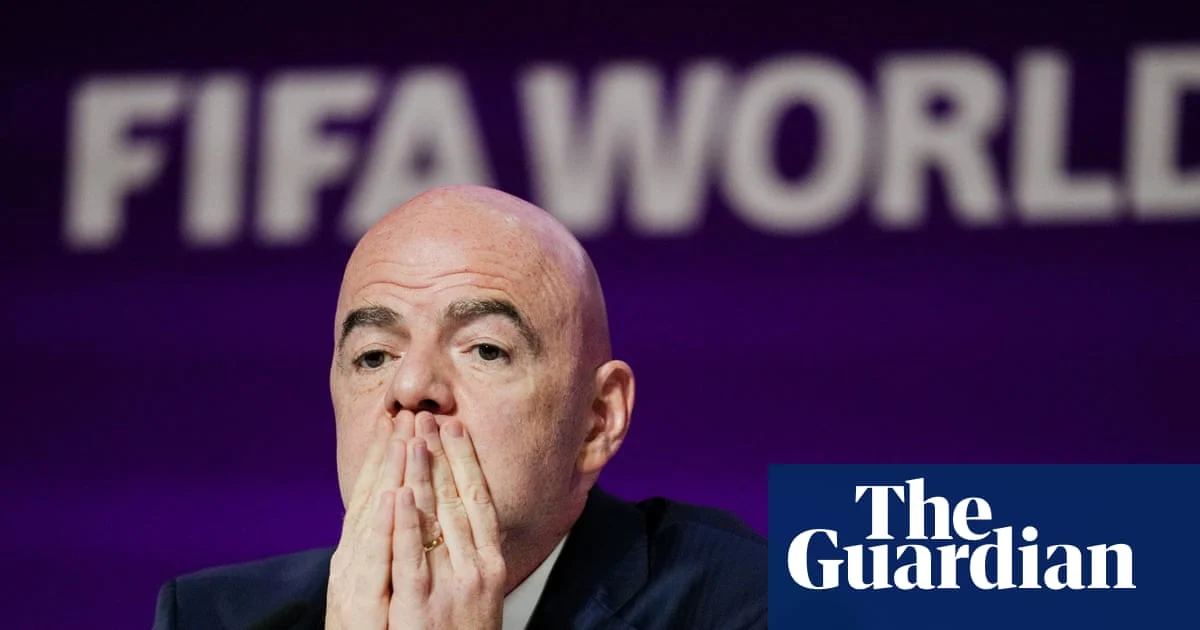
Football Australia chair Anter Isaac downplayed recent FIFA ructions, describing them as growing pains rather than deeper fractures within the world governing body. His comments came as Asian confederation officials gathered in Tokyo this week for meetings touching on FIFA policy direction.
Isaac’s remarks suggest continued support for FIFA’s current path despite earlier turbulence, though he cautioned it was premature to discuss backing any specific leadership figure publicly. The timing coincides with a broader rebound in support for FIFA president Gianni Infantino, reversing earlier doubts about his ability to remain in office.
Key Facts
- Football Australia chair Anter Isaac called recent FIFA issues ‘growing pains’
- He described it as ‘premature’ to discuss support for Gianni Infantino
- His comments came ahead of an Asian confederation officials meeting in Tokyo
- Global support for Infantino has rebounded after earlier criticism
- Criticism previously came from officials in Europe and North America
Who Is Affected By These FIFA Ructions?
FIFA’s ongoing tensions affect national associations across continents, especially those in Europe and North America who had previously voiced criticism. The push around World Cup privatization, promoted by Infantino, has sparked debate globally about the future structure of international football.
Isaac’s stance signals alignment with FIFA’s current leadership trajectory, potentially influencing how other regional bodies respond. With growing pains acknowledged, attention shifts toward whether unity can be restored or further fragmentation will emerge during upcoming summits.
How Did We Get Here?
Earlier this year, Infantino’s leadership faced significant backlash following controversial proposals including World Cup privatization. European and North American officials were among the most vocal critics, casting uncertainty over his continued tenure at the helm.
Slowly, sentiment appears to be shifting. Isaac noted increasing acceptance of FIFA’s direction, indicating that concerns may now be viewed less as existential threats and more as normal challenges faced during periods of transition and reform within large organizations like FIFA.
What Happens Next?
With Asian confederation officials convening in Tokyo, focus will likely turn to how regional perspectives shape global FIFA policy decisions moving forward. Whether internal cohesion strengthens depends heavily on outcomes from these gatherings.
Stakeholders await further clarity on whether FIFA can stabilize under Infantino’s leadership while addressing persistent reform demands raised by diverse stakeholder groups worldwide.
What We Know & What We Don’t
Verified by the source:
- Anter Isaac is the chair of Football Australia
- He characterized recent FIFA issues as ‘growing pains’
- It was deemed ‘premature’ to talk about supporting Infantino
- Meetings involving Asian confederation officials occurred in Tokyo
- Criticism of FIFA once came from European and North American officials
Still unconfirmed:
- Exact nature of World Cup privatization discussions
- Specific names of critics beyond regional identifiers
- Factual basis behind claim of rebounding support
- Details of Infantino’s exact role or tenure status
- Any formal resolutions expected from the Tokyo meetings
Why It Matters
These fluctuations in FIFA dynamics impact millions of fans and players globally. Stability or instability within such a central sports institution affects competitions, investments, and governance standards across world football communities.
What To Watch
All eyes remain on the Tokyo meetings for signs of progress or continued discord surrounding FIFA reforms and presidential backing.