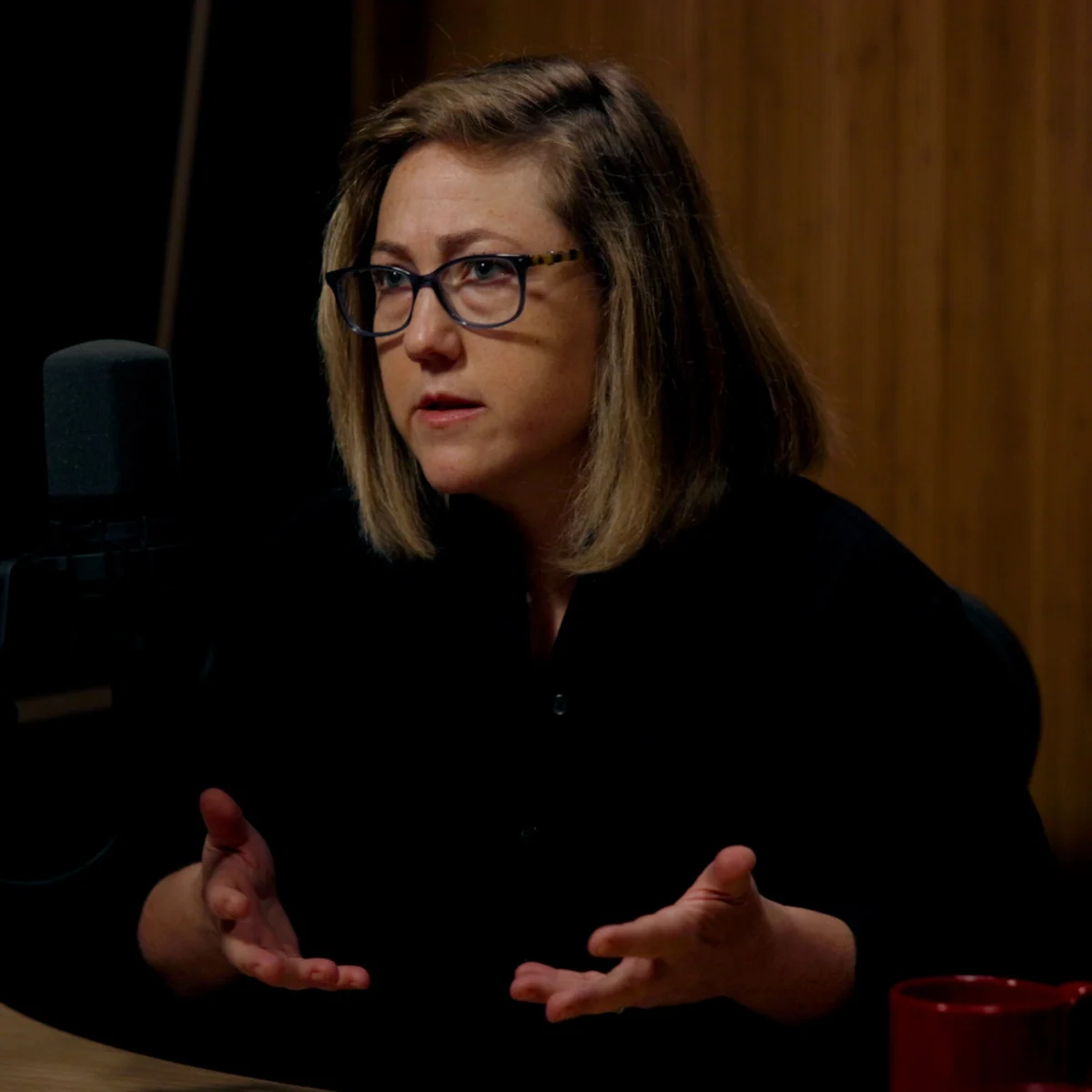
Trump voter sentiment has shifted noticeably, with many expressing feelings of betrayal after participating in hundreds of focus groups conducted by researcher Sarah Longwell, according to a report published by NYT > Top Stories.
These focus groups, which brought together hundreds of participants who supported Trump, highlighted widespread discontent among a segment of the voting base. While the exact nature of what these voters feel betrayed by is not specified, the emotional undercurrent suggests a complex relationship between political allegiance and evolving expectations.
The findings underscore how voter perceptions can shift over time, particularly in highly polarized environments where loyalty is frequently tested by policy outcomes and public statements.
Key Facts
- Sarah Longwell conducted 200+ focus groups with Trump voters.
- Many Trump voters in focus groups report feeling betrayed.
- Findings were reported by NYT Top Stories.
The Story: What Do Voters Feel?
Participants in the focus groups voiced concerns that went beyond typical campaign rhetoric. They discussed personal disappointments tied to economic conditions, foreign policy decisions, and changes in governance style. These conversations reflect a broader trend in which voters reassess their support based on tangible results rather than campaign promises alone.
While no specific policies or events were named in the summary, the tone of the discussion indicates a growing gap between voter expectations and perceived delivery. This divide may influence future electoral dynamics, especially if unaddressed by political leadership.
Who Is Affected by This Shift?
Trump supporters across various demographics appear to be reevaluating their engagement with the political process. Some have become more vocal about their dissatisfaction online and at community gatherings, indicating potential impacts on grassroots organizing and local advocacy efforts.
For policymakers, understanding these sentiments could prove crucial when crafting messages aimed at maintaining coalition cohesion. Ignoring signs of disenchantment risks alienating core constituencies during critical decision-making periods.
What We Know — and What We Don’t
Verified by the source:
- Sarah Longwell ran hundreds of focus groups with Trump voters.
- Many participants expressed feelings of betrayal.
- Details were shared via NYT > Top Stories.
Still unconfirmed:
- Specific reasons why voters feel betrayed.
- Exact number of focus groups or participants.
- Quotes or verbatim responses from attendees.
- Timeline or location of the sessions.
Why It Matters
Voter sentiment shapes political outcomes. When large segments of a candidate’s base express disillusionment, it raises questions about party unity and long-term strategy. Understanding these shifts helps contextualize upcoming elections and policy debates within an ever-changing landscape of public opinion.
What To Watch
Future polling and additional research will clarify whether this sense of betrayal represents a temporary mood or signals lasting change in voter alignment. Officials have yet to respond publicly to these insights.